Hiroshima W · MiyajimaNo.419★★★Open in map →
Hiroshima Oysters
Hiroshima is Japan's largest oyster-producing prefecture, and the shrine approach on Miyajima is where that is easiest to taste. Counters along the covered arcade open the shells and grill them while you wait.
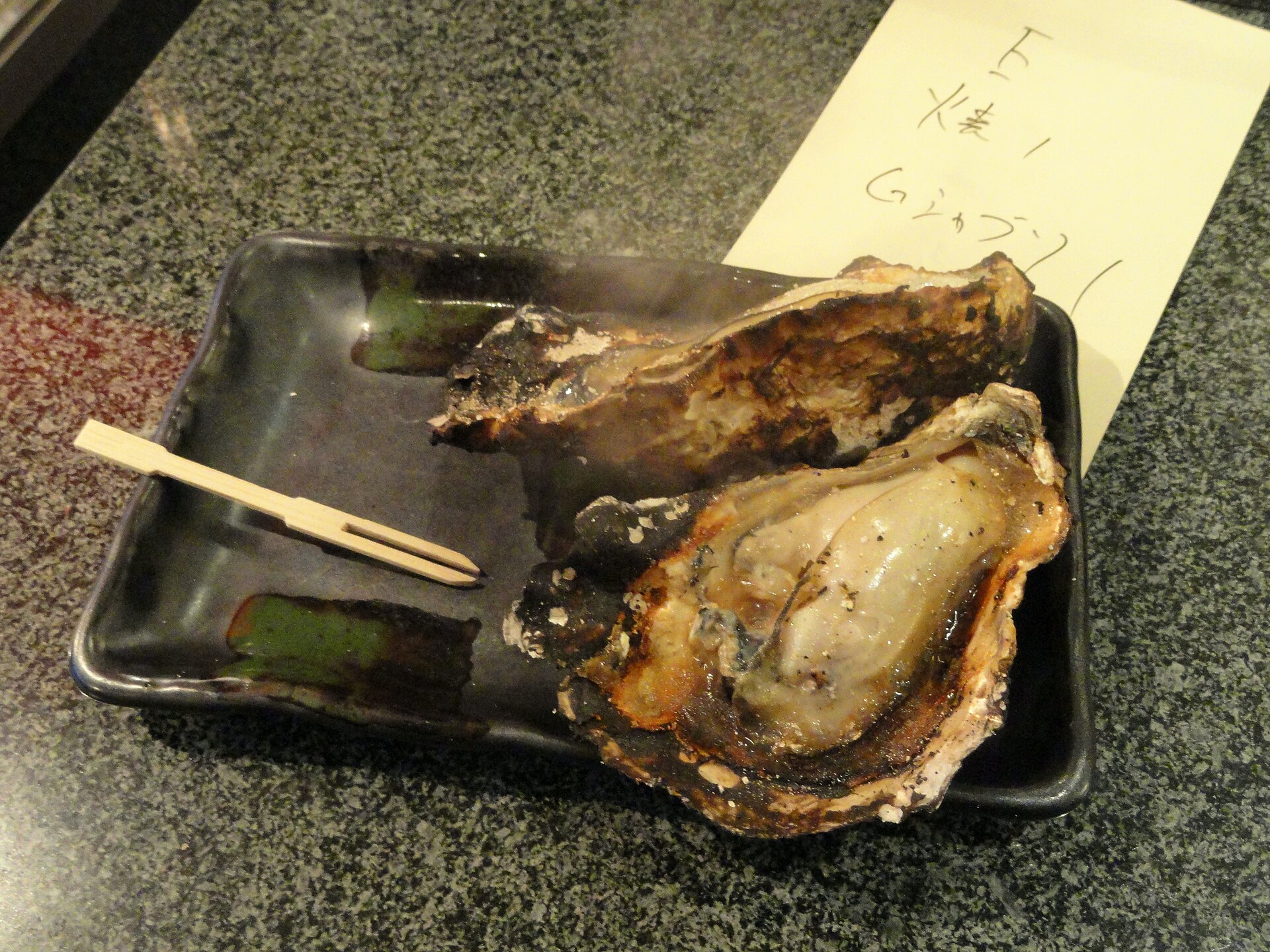
Hiroshima grows more oysters than any other prefecture in Japan, and the reason is the water more than the shellfish. Rivers off the Chugoku mountains and the forested ridge of Mount Misen carry minerals down into a bay that stays shallow and calm, and the oysters fatten in it. On Miyajima that harvest lands on the shrine approach: the arcade running from the ferry pier to Itsukushima Shrine is lined with counters where shells are opened and laid straight onto charcoal. Raw, grilled and fried are all normal here. Grilled is what the street is built around, because a hot shell can be handed over and eaten standing.
Background & history
The Miyajima tourist association traces oyster farming in this bay back to the Edo period, when growers began working the shallows instead of gathering wild shells. The beds off the island are still worked by the Miyajima fishery cooperative. The arcade itself began as the pilgrim road to Itsukushima Shrine, whose halls stand out over the tidal flat and are inscribed as World Heritage. The food counters are a late layer on a very old route.
What to look for — in walking order
- Miyajima Pier
- the ferry terminal at the north end of the island, where the walk toward the shrine starts
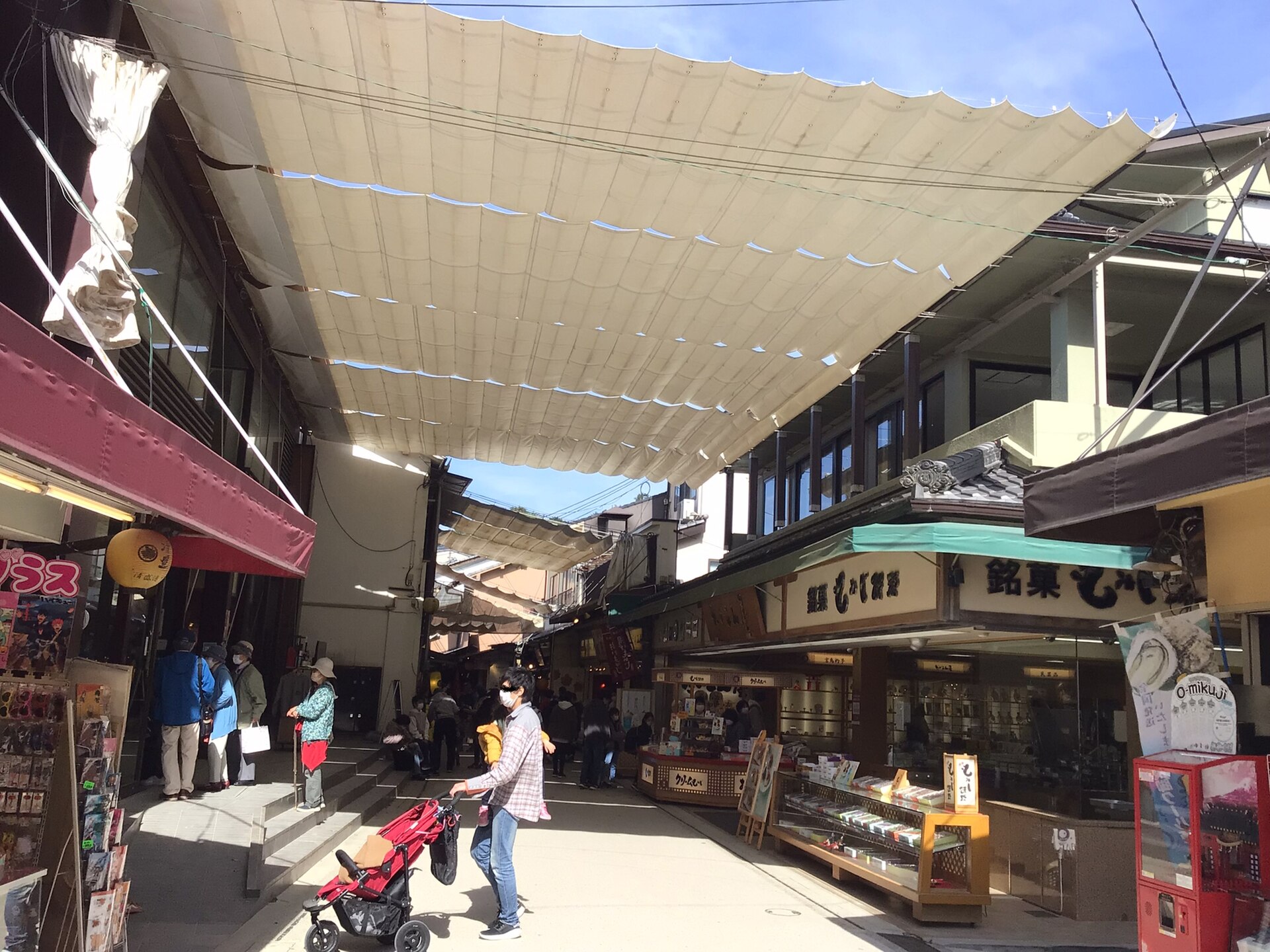
- Omotesando arcade
- the covered approach lined with oyster grills, food counters and souvenir shops
- Itsukushima Shrine
- the World Heritage shrine at the far end, its halls built out over the tidal flat
- Machiya-dori
- the quieter parallel lane of old townhouses, a different way back toward the pier
How to enjoy it
Winter is when the oysters carry the most meat, and the grills are busiest from the late morning. Walk the arcade toward the shrine first and eat on the way back, so the counters are behind you rather than between you and the tide. Ferries run from before six in the morning until after ten at night, which makes a late, unhurried return easy.
How to actually get there
- Hiroshima Station → Miyajimaguchi Station (JR Sanyo Line toward Iwakuni, about 28 minutes).
- Miyajimaguchi Station → the passenger terminal (through the underpass).
- Miyajimaguchi → Miyajima Pier (ferry, about 10 minutes).
- Miyajima Pier → the Omotesando arcade (south along the shore, then inland).
- JR Sanyo Line to Miyajimaguchi, then the ferry
- From Hiroshima Station take the JR Sanyo Line toward Iwakuni and get off at Miyajimaguchi, a ride the ferry operator puts at about 28 minutes. An underpass leads from the station to the passenger terminal. Two companies sail the same crossing, and either ticket gets you to the island.
- Return from Miyajima Pier
- Ferries run back to Miyajimaguchi from early morning until late at night, so an evening return needs no planning. From Miyajimaguchi, JR trains run back toward Hiroshima Station. Check the last sailing posted at the terminal if you stay for dinner on the island.
Before you go
- Cash
- The grill counters on the arcade are small operations, so carry cash. The ferry accepts cash and ten kinds of nationwide transport IC card. Both ferry operators also flag a separate Miyajima visitor levy for people crossing to the island, so budget a little beyond the fare.
- Closing days
- Oysters are a winter food first, and the counters lean on the season. The arcade is busiest between the late morning and mid-afternoon ferries, and quiet in the hour after the day trippers leave. Individual shops set their own closing days.
- Another way
- The Hiroden Miyajima Line runs from central Hiroshima to Hiroden-Miyajimaguchi beside the same pier, slower than JR but no transfer needed. Boats also cross from Hiroshima Port with Setouchi Sea Line.
- After you get off
- From Miyajima Pier, walk south along the shore for a few minutes. The arcade begins where the waterfront path turns inland, and runs on toward the shrine.