Ehime · ImabariNo.420★★Open in map →
Imabari Towels
— Japan's biggest towel region at its brand showroom
The towel region keeps its own showroom on the eastern edge of Imabari, run by the mills' association rather than by a retailer. Every towel on the shelves has passed the certification test, and a lab beside the shop lets you run that test on one yourself.
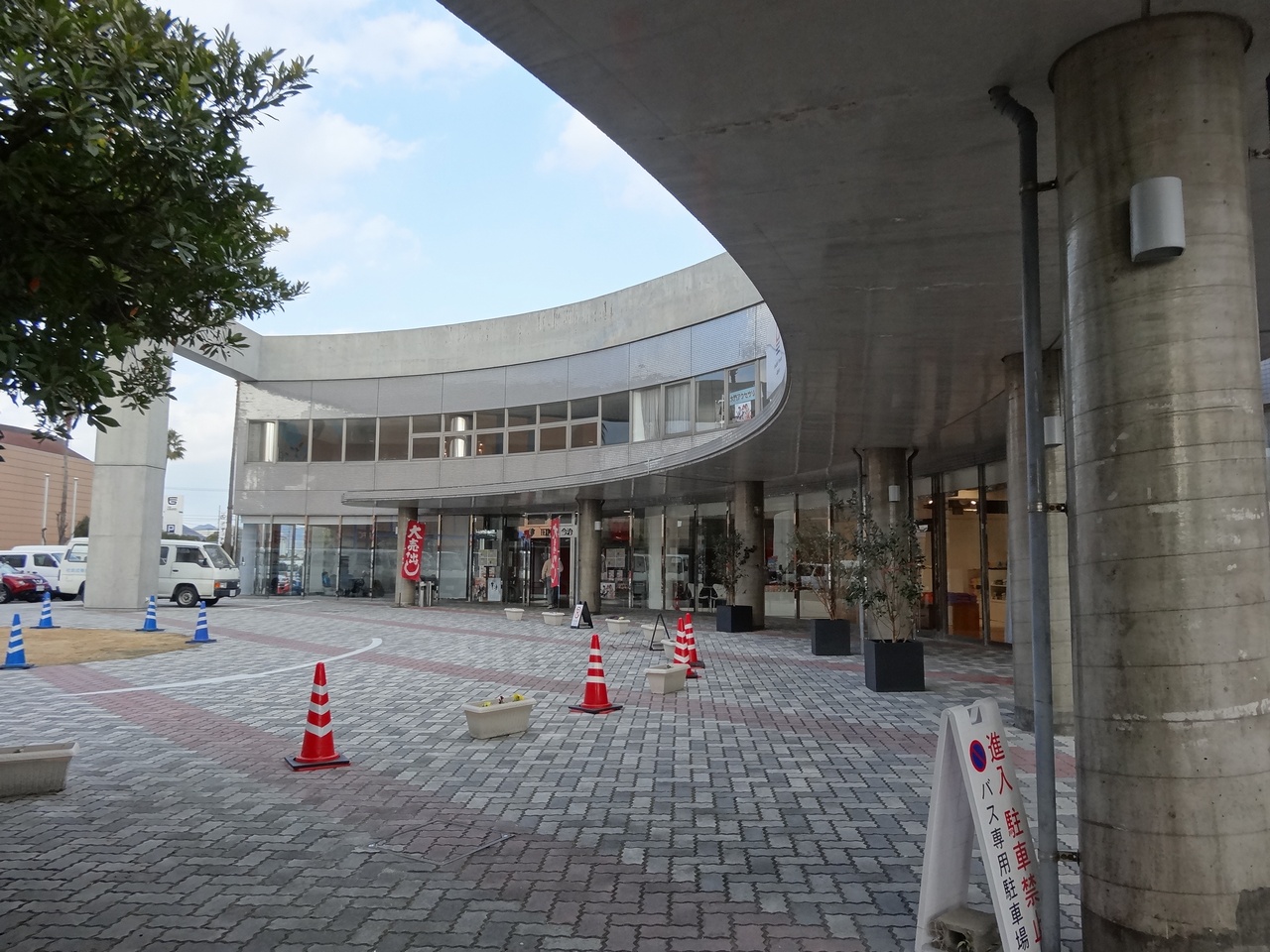
Imabari makes towels because of its water. The Sojagawa river runs soft, which suits the bleaching and dyeing of cotton yarn, and the town built an industry on that advantage until it became the largest towel region in the country. The mills themselves are private and scattered, so the association keeps one public front door instead — a showroom inside a trade building on the eastern edge of town, where roughly four hundred kinds of certified towel, some twenty thousand items in all, sit side by side from makers who compete everywhere else. Nothing reaches those shelves without passing the association's test.
Why it stays quiet
This is not an undiscovered shop. It is the brand's own flagship and coaches stop outside it. The reason to come anyway is that towels are almost impossible to judge by eye or by price tag. The lab exists so you can test one instead of trusting a label, which is a different experience from any department store counter.
Background & history
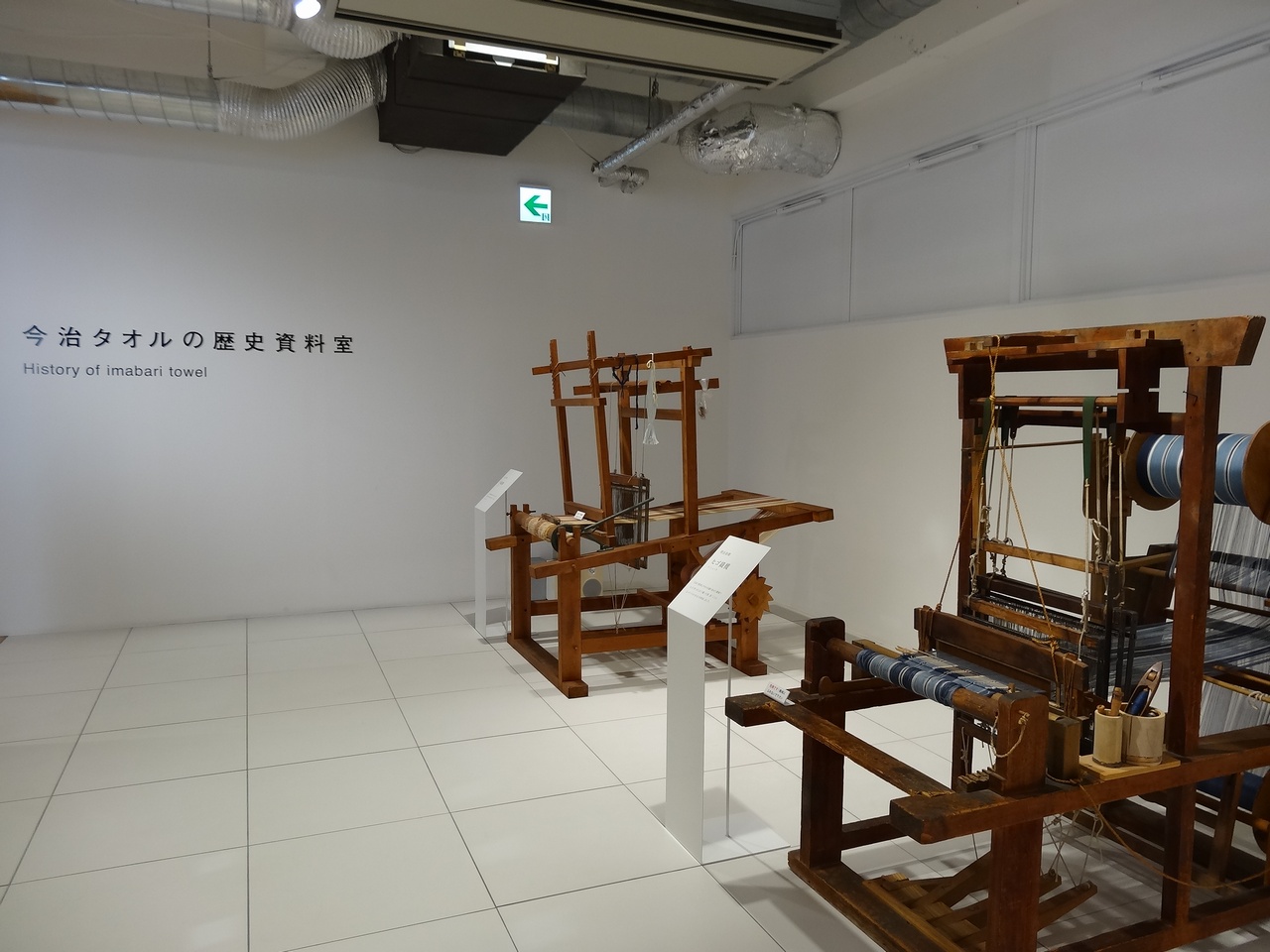
Towels were a fallback. In 1894 a local man, Abe Heisuke, turned his looms to towel weaving after the market for plain white cotton cloth collapsed. The craft spread through the town, and within a generation Imabari stood second only to Osaka in national output; it has since become the country's largest towel-producing region, some hundred and thirty years of continuous weaving by the association's own count. The technique that sets the place apart is saki-zarashi saki-zome — yarn bleached and dyed before it is woven rather than after, which is why the deep patterned cloth here holds its colour.
What to look for — in walking order
- Texport Imabari
- the trade building that houses the region's public towel floor, out on the eastern edge of the city
- Imabari Towel Main Store
- certified stock from competing mills shelved together, from washcloths and handkerchiefs to bathrobes
- Imabari Towel LAB
- the hands-on room beside the shop, built around the association's absorbency test
- The loom demonstration
- a working towel loom run in the open, where the weaving can be watched close up
- The hand-weaving corner
- a hand loom set up for visitors, alongside a mock version of the towel sommelier examination
How to enjoy it
The lab opens at nine and the main store half an hour later, both running until six, and the place stays open all year apart from the turn of the new year. Float a swatch on water and watch it: certified cloth begins to sink within five seconds. Do that first and shop afterwards — you will choose differently once you have seen it.
How to actually get there
- Imabari Station → Fujigran-mae (Setouchi Bus, Karakodai loop line, about 13 minutes).
- Fujigran-mae → Texport Imabari (walk about 1 minute, south).
- Run the absorbency test in the LAB first, then choose in the main store next door.
- Setouchi Bus from Imabari Station
- From JR Imabari Station take the Setouchi Bus on the Karakodai loop line and ride about thirteen minutes to Fujigran-mae. The building is roughly a minute from the stop. This is a local loop service rather than a shuttle, so the wait matters more than the ride — check the departure board before you leave the station.
- Return from Fujigran-mae
- Take the same loop line back to Imabari Station from the stop across the road. Imabari is on the JR Yosan Line, with services toward Matsuyama and on to Okayama, so this works better as a stop on a longer run than as a destination in itself.
Before you go
- Cash
- Entry is free and you pay only for what you buy. There is free parking on the site, so arriving by car costs nothing extra. Prices here are the association's, not a discount outlet's.
- Closing days
- Closed only over the new year, from the end of December into the first days of January. The shop and the lab open at slightly different times in the morning, so arriving before nine leaves you waiting outside the doors.
- Another way
- Coming by car is the simple alternative, and the building has its own free car park — an easy stop for anyone driving the Shimanami Kaido between Honshu and Shikoku.
- After you get off
- Get off at Fujigran-mae and the trade building stands immediately south of the stop, about a minute on foot across the forecourt.