San'in · SakaiminatoNo.432★★Open in map →
Matsuba Snow Crab
— Tottori's winter crab, bought at the port
The San'in name for the male snow crab, landed along the Sea of Japan coast through the winter. Sakaiminato lands more of it than any other port in Japan, and the direct-sales centre beside the wholesale market is where the public can buy it.
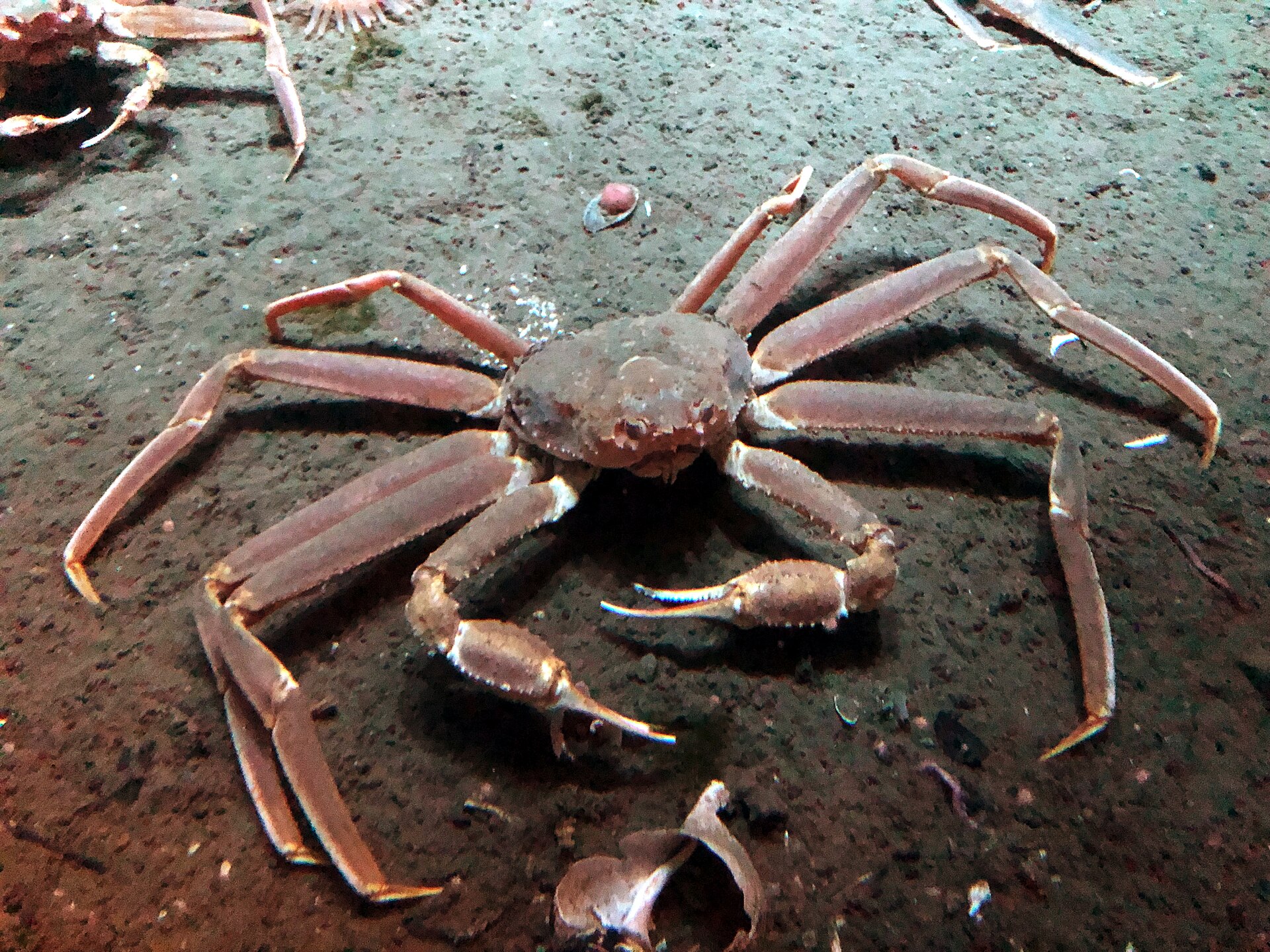
The crab arrives with two names. Along the San'in coast the male snow crab is matsuba-gani, and the female, smaller and sold separately, is oyagani. Sakaiminato lands more snow crab and red snow crab than any other port in Japan, and more fresh bluefin tuna as well. Almost none of that is visible from outside, because the boats unload into a prefectural wholesale market that does not admit the public. The way in is the building beside it: a direct-sales centre run by the San'in purse-seine fishery cooperative, where the stalls sell to anyone who walks up.
Why it stays quiet
This is a famous crab, not a secret one. From November the coast's inns build whole courses around it and the price follows. What the centre offers is a way to meet the fishery without a reservation and without a set menu — it opens early, the stalls price by the piece, and there is a place to sit down with what you have just bought.
Background & history
Snow crab has been landed along this coast for generations, and the naming stayed local: what is zuwai-gani elsewhere is matsuba-gani here, and only the male carries the name. Sakaiminato grew into the largest fishing base on the Sea of Japan, its fleet working grounds that give crab through the winter and bluefin tuna in early summer. The wholesale market that handles all of it is a working facility rather than an attraction. The direct-sales centre was set up alongside it so the same catch could also be sold, one crab at a time, across a counter.
What to look for — in walking order
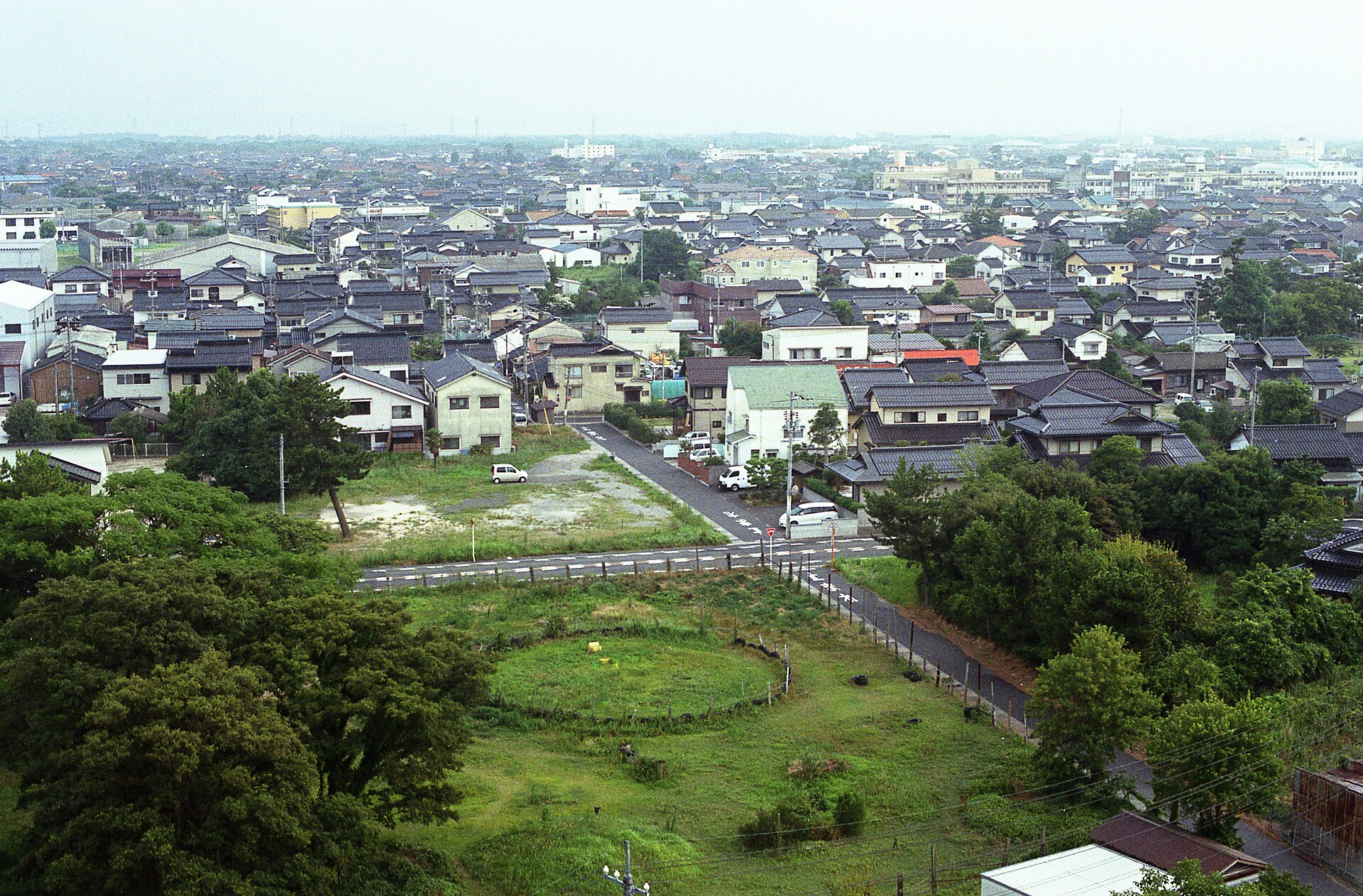
- The seafood stalls
- twelve stalls of fish, crab, dried fish and fish paste under a single roof
- The crab counters
- matsuba-gani through the winter and red snow crab for most of the year, sold by the piece
- The eat-in space and the two kitchens
- a food court for whatever you have just bought, plus two places serving rice bowls of the morning's catch
- Tottori Prefectural Sakaiminato wholesale fish market
- the working market immediately next door, where the boats land the catch
- The harbour front on Route 431
- the quay in front of the centre, the sheltered water that made this the region's fishing base
How to enjoy it
The doors open around eight and the stalls are fullest early, before the coach parties; the place winds down towards four. Male matsuba-gani is landed from November into March, and that is when the crab counters take over the room — outside those months the same stalls sell red snow crab, squid and the port's dried fish, so the trip still works. Buy first and eat second: anything you carry to the food court can be opened on the spot.
How to actually get there
- Yonago Station → Sakaiminato Station (JR Sakai Line, about 45 minutes).
- Sakaiminato Station → the direct-sales centre: about five minutes by taxi, about fifteen by local bus, or a little over twenty minutes on foot east along the harbour.
- Inside: the seafood stalls first, then the crab counters.
- Finish in the eat-in space or one of the two kitchens on site.
- JR Sakai Line from Yonago
- Yonago Station → Sakaiminato Station on the JR Sakai Line, about 45 minutes. It is a short branch line and services are not frequent, so read the timetable before you plan the day rather than after. Yonago is the junction for the San'in main line in both directions.
- Return from Sakaiminato Station
- The same line back to Yonago. The market winds down in the afternoon and the trains thin out with it, so fix your return before you start shopping. If you have bought something that needs to stay cold, buy it last.
Before you go
- Cash
- The market itself has no entrance fee — you pay stall by stall, and prices are quoted by the piece rather than by weight banding. Whether an individual stall takes cards varies, so carry cash. Parking is free.
- Closing days
- The centre is shut on Tuesdays, though a few stalls open anyway, and it runs from around eight in the morning to about four in the afternoon. Winter is the crab season and also the season of wind off the Sea of Japan, so the walk in from the station can be raw.
- Another way
- By car it is about 25 minutes from the Yonago interchange on the Yonago Expressway, with a large free car park and coach spaces on site — the easier option if you are touring the Yumigahama peninsula.
- After you get off
- Sakaiminato Station stands at the western end of the town, and the market is east of it along the harbour on Route 431. A taxi covers the gap in about five minutes and a local bus in about fifteen; on foot it takes a little over twenty.