Chiba N · NodaNo.441★★Open in map →
Noda Soy Sauce
— The brewing town where Kikkoman began
A working soy sauce plant beside the station in Noda, north-west Chiba, with a free visitor building attached to it. Booking is compulsory and the route is short, but few places in Japan let you smell moromi mash at three stages of fermentation.
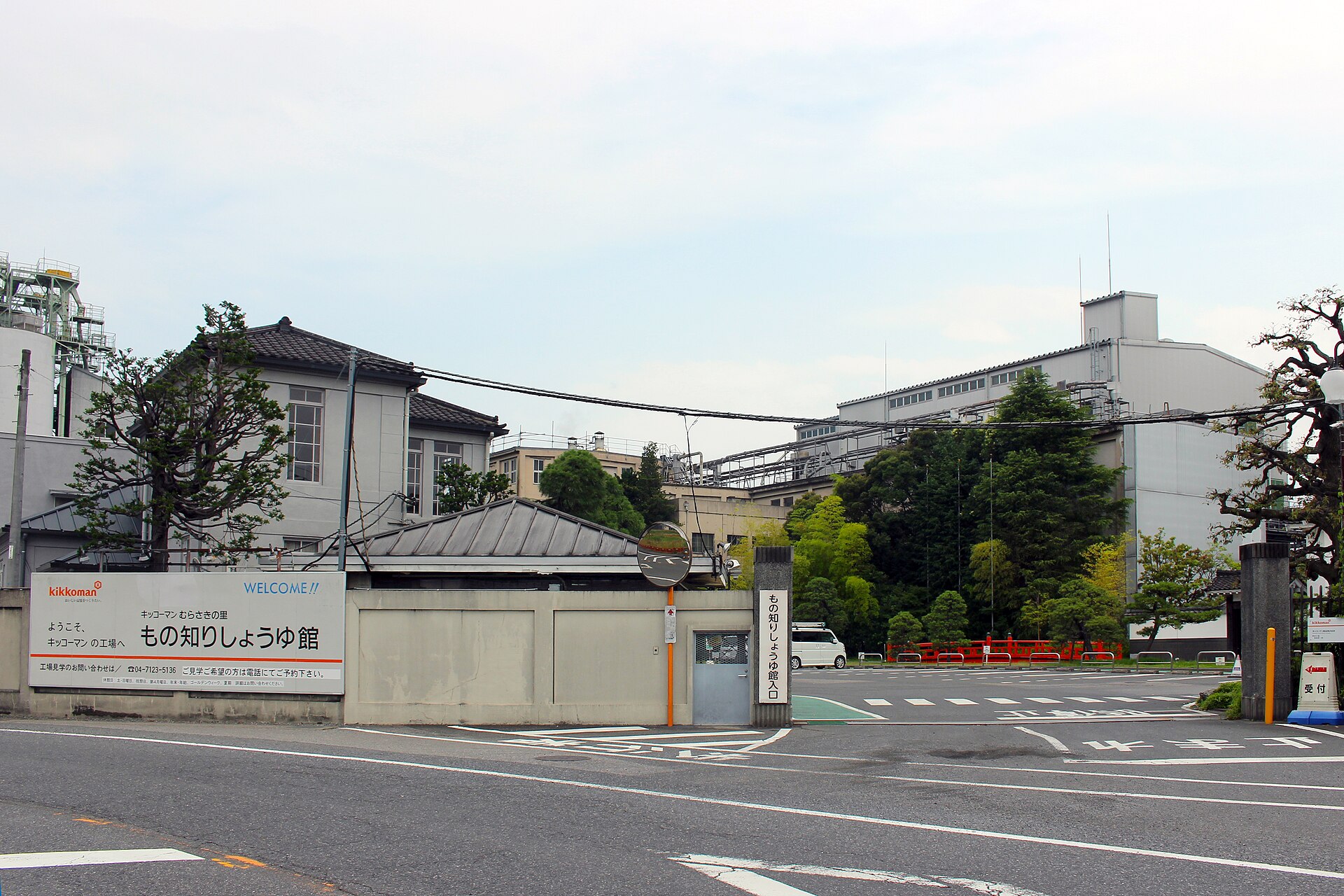
Noda is a company town built on soy sauce, and the city says so in its own words: brewing is listed as the local industry. The plant still runs beside the station, and one corner of it is given over to a free visitor building. The tour itself is deliberately plain — a short film, then a walk along the working line, then cups of moromi mash at three stages set out to compare by colour and smell. There is no theme-park framing and no tasting theatre. What you are shown is the ordinary industrial process behind a bottle that sits on tables far outside Japan.
Why it stays quiet
This is no secret. It is a corporate museum with a booking form, and school groups fill much of the calendar. What it is not is an attraction built for tourists — it sits inside a live factory, which is why the schedule is rigid, the weekend is closed, and you cannot simply turn up at the gate.
Background & history
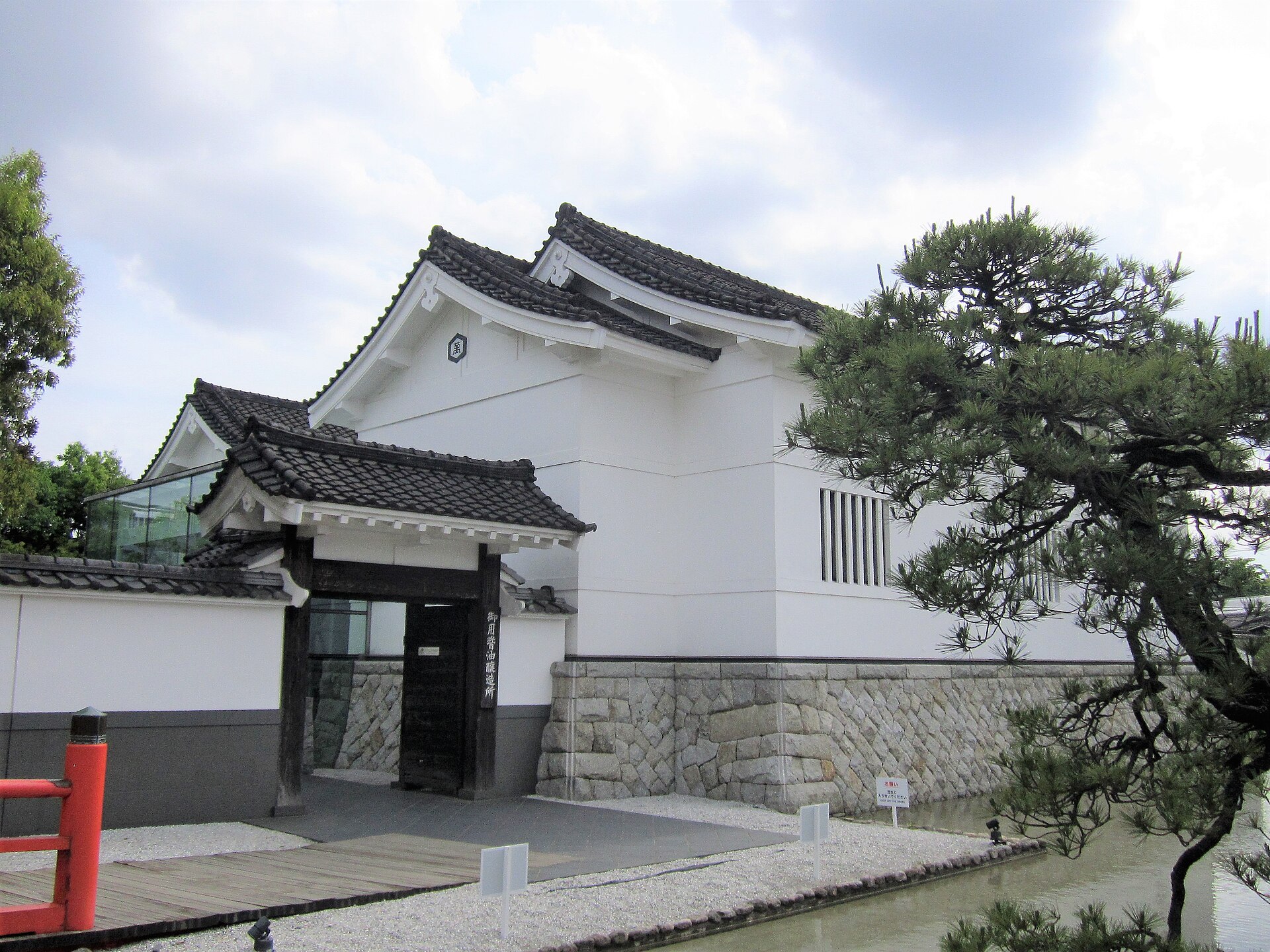
Brewing here is older than the company. The city puts the commercial start at 1661, when Takanashi Hyozaemon began making soy sauce at Noda; the Mogi households followed, and by the nineteenth century Noda soy sauce was being supplied to the shogunate. The separate brewing families merged into a single firm in the early twentieth century, and that is where the modern brand comes from. One building on the site is kept apart from the rest: a brewery completed in 1939 to make soy sauce for the Imperial Household, still worked by the old method rather than by machine control.
What to look for — in walking order
- The fermentation walk
- cups of moromi mash — early, fermenting, mature — set out side by side to compare by colour and smell
- Goyogura
- the separate brewery for Imperial Household soy sauce, with tools from its construction kept in place
- Mame Cafe and the shop
- snacks cooked with the plant's own soy sauce, own-brand goods, and Noda specialities sold nowhere else
- Noda-shi Station
- the Tobu station outside the gate, which carries the visitor building's name as a second station name
- Birthplace of Noda soy sauce
- a stone marker on the site of the old Iida brewery, north-west of the plant, designated a city historic site
How to enjoy it
Slots run from 9am to 4pm with a break over the middle of the day, and the visit takes about an hour — roughly a quarter of it film, the rest on foot. Book by web or telephone no later than the previous working day. Ask for a morning slot if you want time in the shop and the café afterwards rather than at closing.
How to actually get there
- Kashiwa Station → Noda-shi Station (Tobu Urban Park Line toward Omiya, seven stops).
- Noda-shi Station → Kikkoman Monoshiri Shoyukan (walk about 3 minutes, south).
- Check in at reception with your booking, then follow the route through the working line to Goyogura.
- Afterwards, walk about a kilometre north-west to the stone marker at the birthplace of Noda soy sauce.
- Tobu Urban Park Line from Kashiwa
- From Kashiwa, take the Tobu Urban Park Line toward Omiya and get off at Noda-shi, seven stops up the line. Trains run at short intervals through the day, so no timetable planning is needed. IC cards work on the line and at the gates.
- Return from Noda-shi Station
- Go back the same way to Kashiwa, or continue north-west to Omiya on the same line and pick up the JR network there. The station stands beside the plant gate, so there is no walk to plan on the way out — but check the last departure on the platform board if you linger in the shop.
Before you go
- Cash
- The tour and the visitor building are free. The café and the shop take payment on site, and the own-brand goods there are the main reason to bring a wallet. IC cards work on the Tobu line.
- Closing days
- Closed on Saturdays, Sundays and public holidays, on the fourth Monday of each month, and over Golden Week, the Obon period and the new year. Reservations are compulsory — web or telephone, by the previous working day — and the route includes stairs.
- Another way
- By car it is roughly twenty minutes from the Nagareyama interchange on the Joban Expressway. Noda sits at the north-west corner of Chiba, so this is also an easy detour from the Saitama side rather than from central Tokyo.
- After you get off
- Leave Noda-shi Station and the visitor building is about three minutes on foot, immediately south of the platforms and inside the plant grounds.