Aizu · KitakataNo.429★★★Open in map →
Kitakata Ramen
— The storehouse town's breakfast noodle
A brewing town in the Aizu basin known for two things at once — black-walled storehouses and soy-sauce ramen with a flat, high-moisture noodle. The shops are scattered through the streets, and part of the town eats a bowl for breakfast.
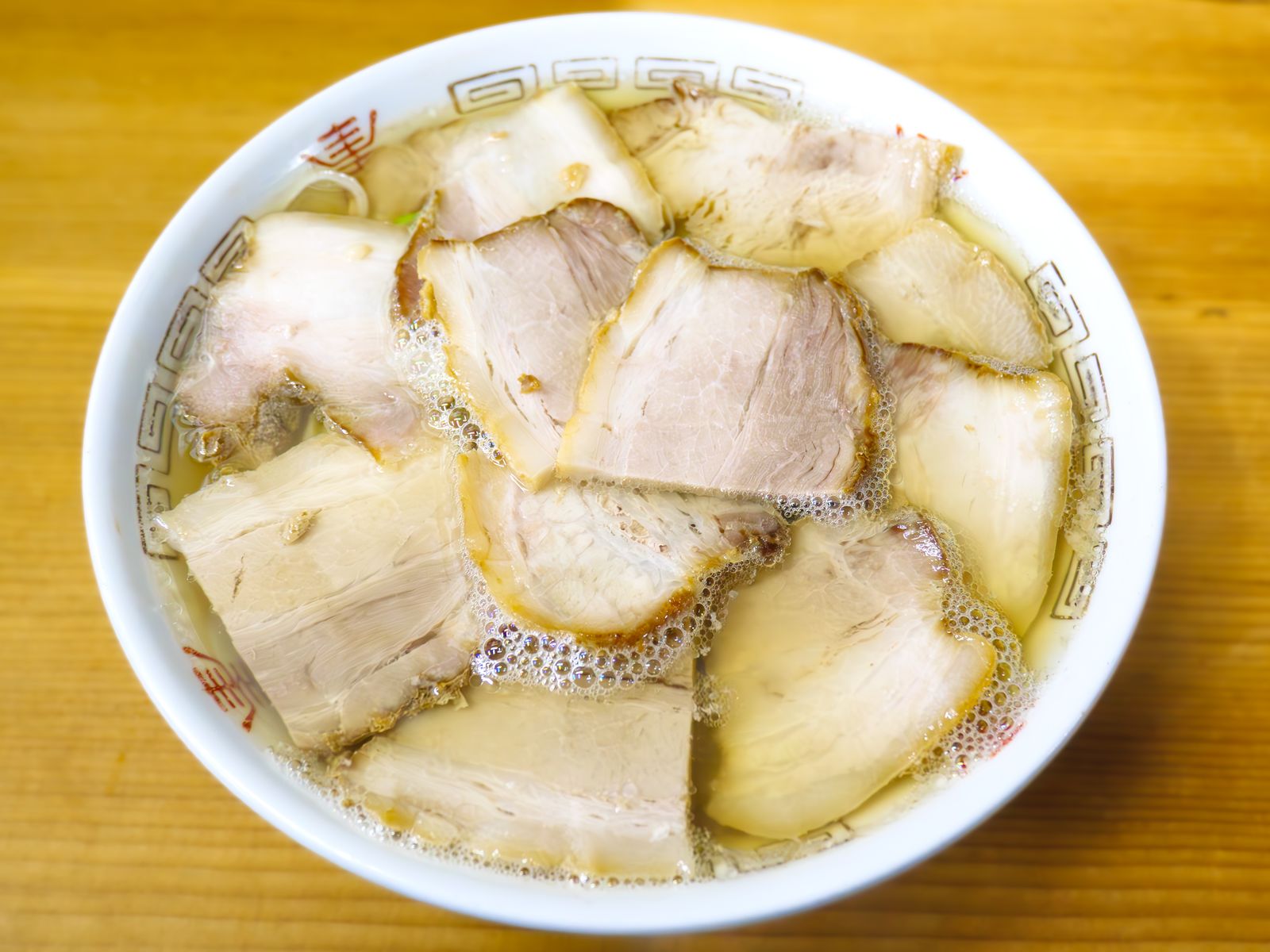
Kitakata ramen is built on soy sauce. The town is brewing country, and the broth starts from local shoyu, drawn out with pork bones and dried sardines into something clear and light rather than heavy. The noodle is the signature: hira-uchi jukusei takasui-men, a flat, wide noodle carrying more water than usual and aged before cooking, soft under the tooth in a way no other regional ramen quite copies. Roughly ninety shops serve it in a town you can cross on foot, each with its own reading of the same three elements, and no two bowls line up.
Background & history
Ramen came to Kitakata in the 1920s, when a young Chinese man began selling shina-soba from a handcart in the streets. It stayed a local food for decades. Then national television found the town's storehouse architecture, visitors arrived to look at buildings, and the noodles turned into the reason they stayed for lunch. The shops later organised themselves as the Kura no Machi Kitakata Romenkai, and the town has carried both names — storehouses and ramen — ever since.
What to look for — in walking order
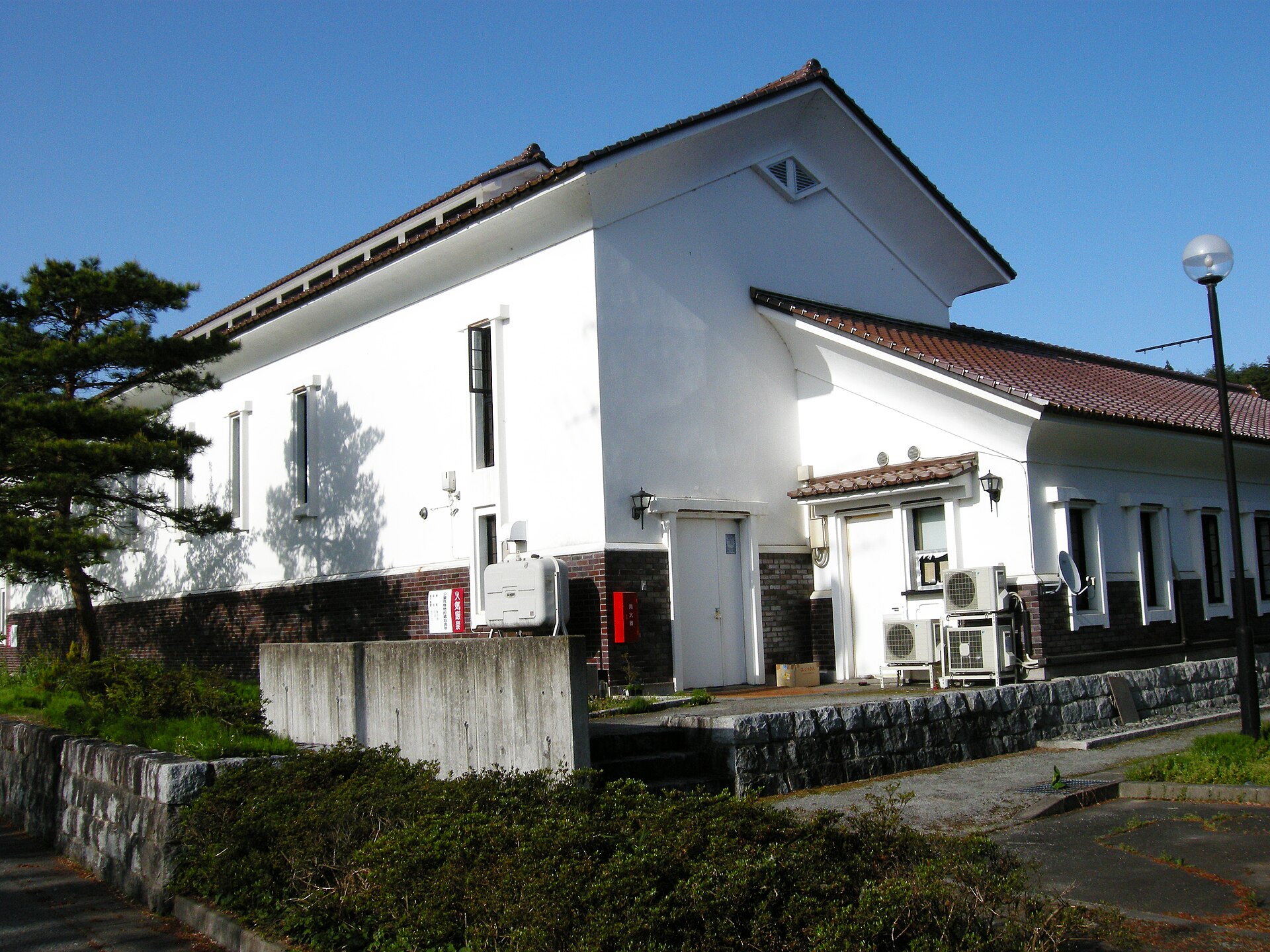
- Kura no Machi information centre
- a volunteer-staffed room midway along the shopping street, handing out town and shop maps
- Fureai-dori, or Retro Yokocho
- the old shopping street the centre sits on, running through the middle of the storehouse quarter
- The merchant storehouses
- thick-walled kura built as shopfronts and back rooms rather than as monuments
- Working miso makers and confectioners
- storehouse buildings still trading as miso shops and sweet shops rather than museums
How to enjoy it
Come for asa-ra — a bowl in the morning, before the town's shops open properly. The broth is light enough that it works at that hour, which is the whole point of the habit. If you arrive later, collect the map at the information centre first: the shops are scattered through the residential grid rather than clustered on one street, and half the pleasure is walking between them past the storehouses.
How to actually get there
- Aizu-Wakamatsu Station → Kitakata Station (JR Ban'etsu West Line, about 20 min).
- Kitakata Station → Fureai-dori (walk northeast about 15 min).
- Pick up the shop map at the information centre, then eat.
- Walk the storehouse streets either side of Fureai-dori before heading back to the station.
- JR Ban'etsu West Line from Aizu-Wakamatsu
- Aizu-Wakamatsu Station →(JR Ban'etsu West Line, about 20 min)→ Kitakata Station, then a walk into town. This is a rural line with only a handful of departures in each part of the day, so look up your train before you set out rather than turning up at the platform.
- Return from Kitakata Station
- Walk back down to Kitakata Station for the Ban'etsu West Line to Aizu-Wakamatsu, where connections continue toward Koriyama. Evening services thin out early by city standards — check the last departure when you arrive, not when you leave.
Before you go
- Cash
- The information centre asks no admission and the volunteers' map is free. Kitakata is a small station without large ticketing facilities, so buy your ticket before boarding and carry cash for shops in town.
- Closing days
- The information centre keeps short hours: 10:00 to 15:00 from April to November, and weekends and public holidays only from December to March. The Ban'etsu West Line runs through mountain country and can be suspended or replaced by buses after heavy weather or during engineering work, so check JR East's service information on the day. Winters here are deep-snow winters.
- Another way
- From Tokyo, take the Tohoku Shinkansen to Koriyama and change there for the Ban'etsu West Line, changing again at Aizu-Wakamatsu for Kitakata. Allow most of a morning for the whole run.
- After you get off
- From Kitakata Station, walk northeast for about 15 minutes along the main street into the old shopping quarter. The information centre stands midway along Fureai-dori, the arcade street also known as Retro Yokocho.