Mie · MatsusakaNo.433★★★Open in map →
Matsusaka Beef
— Mie's long-fattened wagyu and the town behind it
Japan's best-known wagyu brand, built on one of the longest fattening programmes in the country. The town it is named after keeps a quarter of merchant houses, and a visitor centre at its heart points you toward the restaurants and the houses alike.
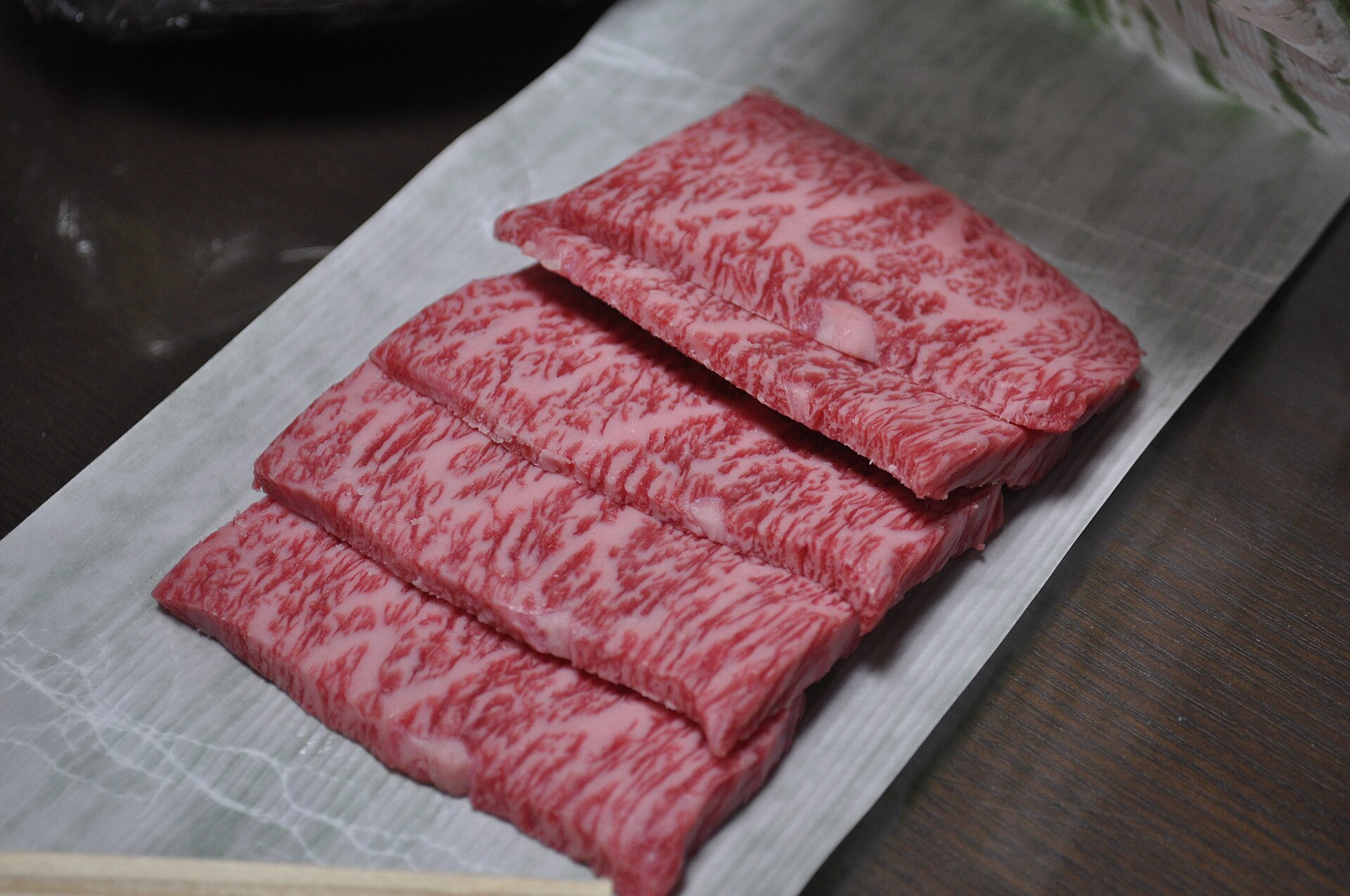
Matsusaka beef names a method rather than a breed. Calves of Japanese Black cattle are brought in from Hyogo Prefecture, and farms in and around Matsusaka raise them slowly. The strictest grade of all applies only to unbred females introduced by 12 months of age and then fattened for 900 days or more. Fat built that slowly melts at a low temperature, which is why the meat usually arrives as sukiyaki or thin slices rather than a steak. The town's entrance to all of this stands on Uomachi street, in the quarter where the merchant houses are.
Background & history
Farmers here long brought in young female cattle born in the Tajima district of Hyogo and worked them in the fields. From the Meiji era the same animals were kept on and fattened instead, and the long-feeding technique that grew out of that became the district's speciality. The national register of geographical indications took the speciality grade in 2017, citing an early and deliberate focus on long fattening.
What to look for — in walking order
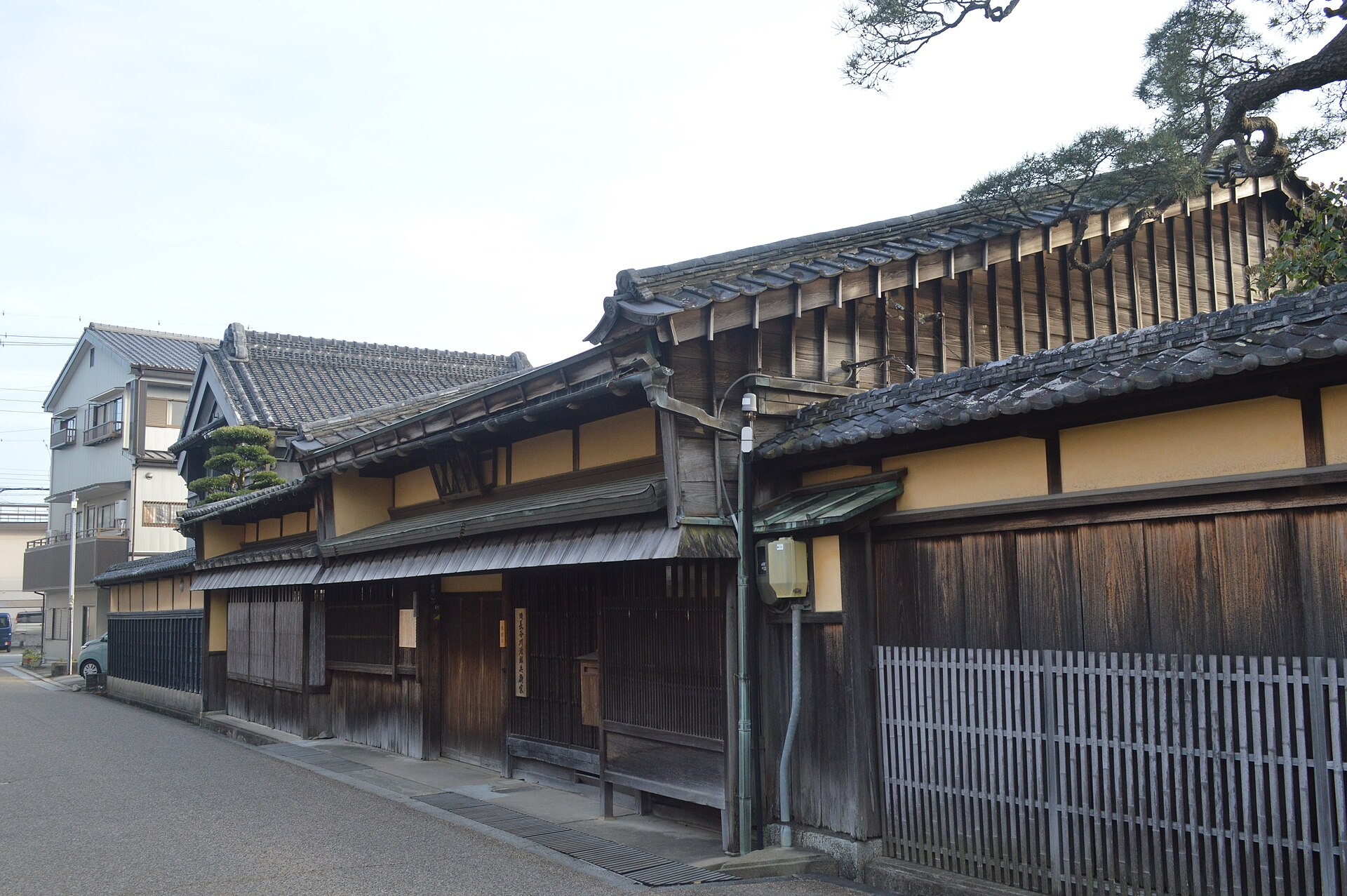
- Gosho-no-Machi Matsusaka Tourist Exchange Center
- two floors on Uomachi street — information and souvenirs below, a model of the Edo-period pilgrimage road and a small theatre above
- Former Hasegawa Jirobei House
- the residence of an Edo-period cotton wholesaler, a few doors along the same street
- Site of Motoori Norinaga's house
- the plot where the scholar of Japanese classics grew up, on the next lane over
- Former Ozu Seizaemon House
- the town house of a merchant who sold paper and cotton from a shop in Edo, storehouses still standing
- Matsusaka Castle ruins and Gojoban Yashiki
- stone ramparts on the rise west of the quarter, with a lane of samurai houses below that people still live in
How to enjoy it
The centre opens at 9:00 and closes at 18:00, an hour earlier from December through February, so a morning arrival leaves the whole quarter ahead of you. Decide on a beef restaurant before you set off; the ground-floor counter arranges walking routes and restaurant information together. Sukiyaki carries the fat best, while grilled cuts sit lighter in the middle of a day spent on foot.
How to actually get there
- Nagoya → Matsusaka Station (Kintetsu Yamada Line or JR Kisei Line; limited expresses stop here).
- Matsusaka Station, JR side exit → Gosho-no-Machi Matsusaka Tourist Exchange Center (walk west, about 10 min).
- Centre → Former Hasegawa house → site of Motoori Norinaga's house → Former Ozu house, all inside the Uomachi quarter.
- Merchant quarter → Matsusaka Castle ruins and the Gojoban Yashiki row, a short walk further west.
- From Nagoya by Kintetsu or JR
- Matsusaka Station is served by the Kintetsu Yamada Line and JR Central's Kisei Line, and limited express trains from Nagoya stop here. Leave by the JR side exit and walk about 10 minutes west into the merchant quarter. Times and fares change with the timetable, so check the operator's site before you travel.
- Back to Matsusaka Station
- Retrace the same street east, about 10 minutes to the JR side exit. Kintetsu and JR share the station building, so pick the gate that matches your onward ticket. Services thin out after dark, so check the last departure if you are staying for dinner.
Before you go
- Cash
- A combined ticket covers the Former Hasegawa house, the Former Ozu house and the city folk museum. The exchange centre is an information and souvenir floor and has no car park of its own. Beef restaurants in the quarter differ in whether they take cards, so carry some cash as well.
- Closing days
- The centre closes over the New Year period, from 30 December to 2 January, and shuts earlier through the winter. The merchant streets are open air and walkable in any season, though each historic house keeps its own closing days.
- Another way
- From Ise, Matsusaka sits on the Kintetsu line north of Ise-shi and Ujiyamada stations, so the town slots in before or after a visit to Ise Jingu. Kintetsu limited expresses from Osaka run toward Ise and stop here on the way.
- After you get off
- Leave Matsusaka Station by the JR side exit and walk west for about 10 minutes. Once you are on Uomachi street you are in the merchant quarter, and the exchange centre stands within it.