Miyagi · SendaiNo.447★★Open in map →
Sasa Kamaboko
— Miyagi's leaf-shaped grilled fish cake
A bamboo-leaf-shaped fish cake, grilled rather than steamed, made in Miyagi since the Meiji era. The everyday place to buy it is Sendai Asaichi, a narrow permanent market a few minutes west of Sendai Station.
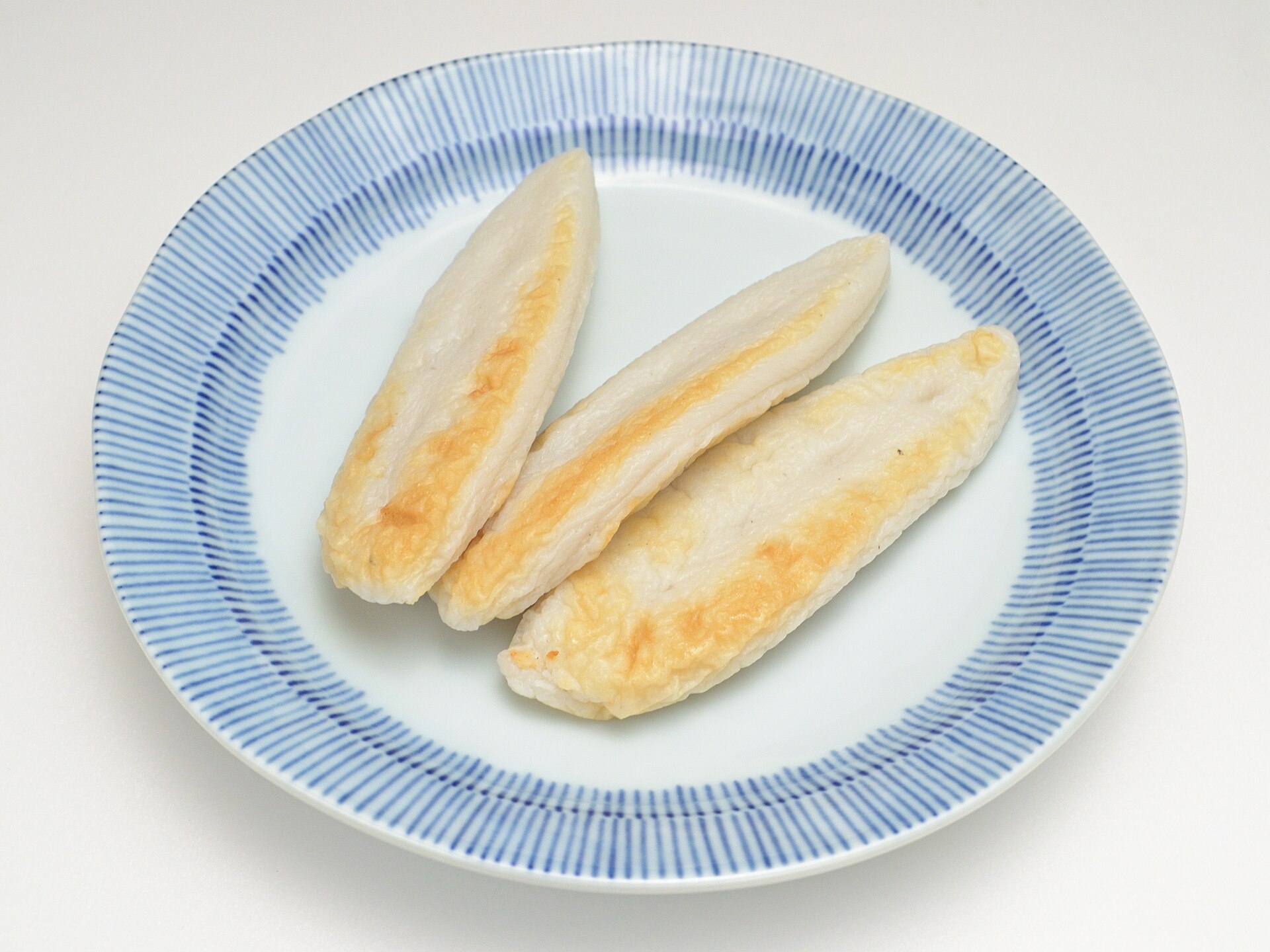
Sasa kamaboko is a fish cake, not a snack invented for visitors. White fish is ground to a paste, seasoned, shaped like a bamboo leaf and grilled until the surface browns, which gives it a firmer, springier bite than the steamed kamaboko sold elsewhere in Japan. It is eaten plain, with wasabi and soy sauce, or dropped into a pot of oden. The market that sells it as an everyday item runs along one narrow lane a block south of Nanmachi-dori, close enough to the station and the bus pool that Sendai calls it the city's kitchen.
Why it stays quiet
The fish cake itself sits in every station kiosk in Miyagi, so it is no discovery. The market is the part people walk past. It is a working lane where the shopfronts have no wall facing the street, where restaurant owners buy alongside households — and where the word morning in the name has long since stopped describing the busy hours.
Background & history
Nets off the Sendai coast in the Meiji era landed more flounder, sea bass and bream than the town could sell or keep, and fishmongers turned the surplus into paste, shaped it by hand and grilled it on skewers. The result went by several names — palm kamaboko, tongue kamaboko — before makers settled on the leaf form and the leaf in the Date clan crest, and the name we use now took hold in the Showa era. The market grew separately, from stalls in the burnt ground near the station after the war; it was organised as a shopping-street association in 1985 and became a cooperative in 1992.
What to look for
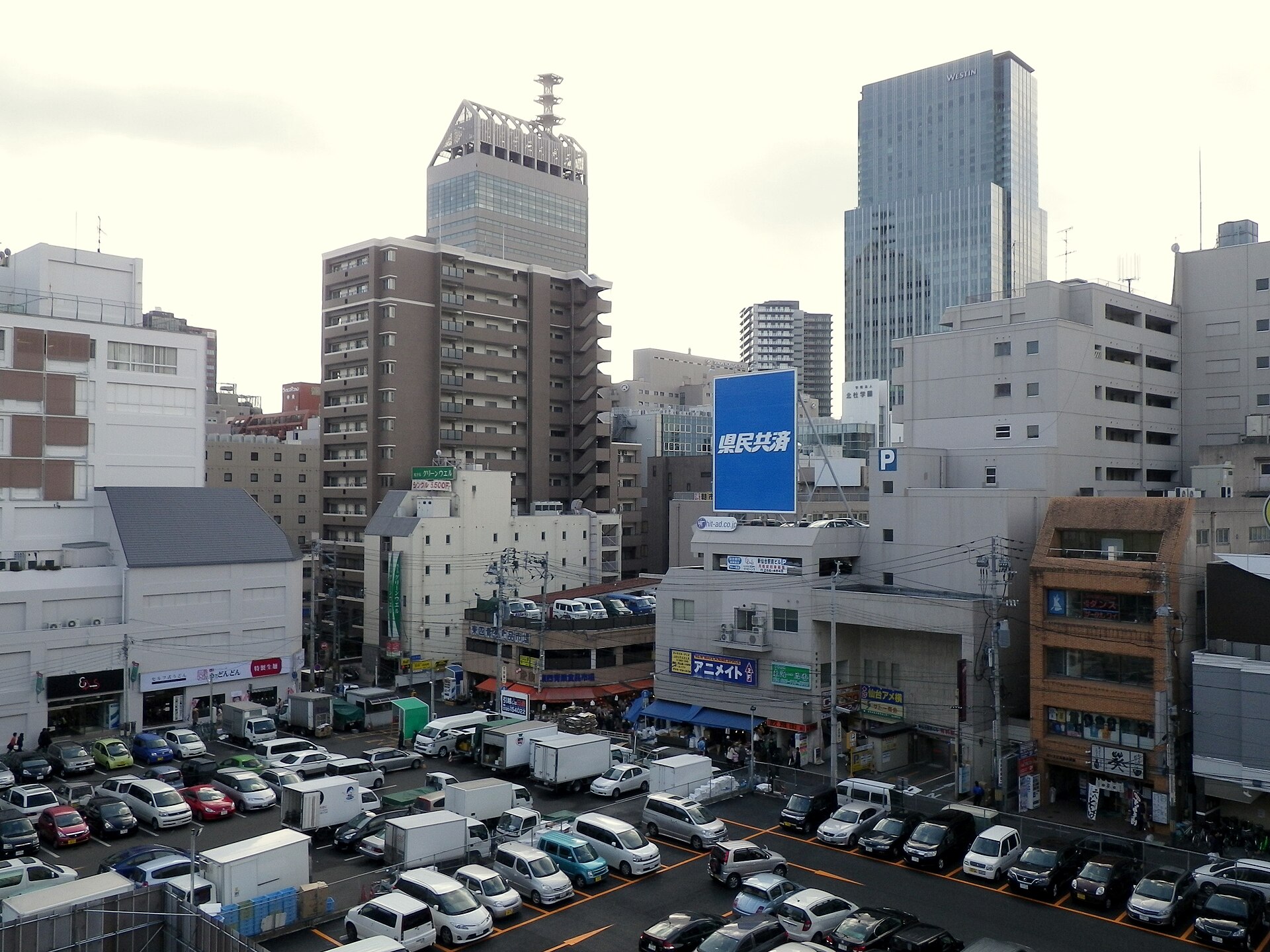
- Asaichi-dori
- the market lane itself, shopfronts open straight onto the street under awnings
- The fishmongers
- counters of fresh catch, the trade this market kept when others turned into restaurant streets
- The processed-food shops
- kamaboko, dried goods, pickles and tofu specialists sharing the same row
- Shin-Sendai Ekimae Building
- a block inside the market nicknamed Sendai's Ameyoko, small shops stacked above the lane
- The produce and prepared-food stalls
- vegetables, beans and grains, dumplings and side dishes, the everyday half of the market
How to enjoy it
Come in the afternoon. The name says morning market, but this is a permanent market that trades through the working day and fills up from midday toward evening, when the buying is at its liveliest. Take a pack to eat on the walk back and a boxed set for later — wasabi and soy suit it, and it holds its shape in a hotpot. Check the date on anything vacuum-packed if you are carrying it for a day.
How to actually get there
- Sendai Station, west exit → down to street level by the pedestrian deck on the Ebeans side.
- Street level → Asaichi-dori, one block south of Nanmachi-dori and just west of Parco 2 (about five minutes in all).
- Walk the lane end to end before buying — fishmongers, greengrocers and the processed-food shops are mixed along it.
- Carry the packs back to the station by the same route, a few minutes from the gates.
- On foot from Sendai Station
- Leave by the west exit and walk about five minutes. The pedestrian deck on the Ebeans side is the shortest way down to street level. The lane runs one block south of Nanmachi-dori, just west of the Parco 2 building, and opens between the blocks rather than announcing itself.
- Back to the station
- Retrace the lane east and cross back on the pedestrian deck, about five minutes to the JR gates. Shinkansen and local trains run late into the evening, but the market empties long before that, so do the shopping first and pick the train after.
Before you go
- Cash
- There is no admission — it is a shopping street. The shops are small and not all of them take cards, so bring cash. Paid parking exists in the buildings around the lane, but the market sits close enough to the station and the bus pool that arriving on foot is simpler.
- Closing days
- This is a weekday market rather than a weekend event, and it does not open at dawn despite the name. The shops post their own closing days on the association's site, and shutters come down in the early evening. The lane is narrow and partly open to the sky, so an umbrella helps in rain.
- Another way
- By subway, Sendai Station on the Namboku and Tozai lines puts you at the west 1 exit, a minute from the lane. Coming from the west side of the city, walk east along Nanmachi-dori from the Ichibancho arcades and turn south a block before the station.
- After you get off
- From the JR west exit, take the pedestrian deck toward the Ebeans building, come down to street level and continue west. The lane opens between the blocks a block south of Nanmachi-dori, beside Parco 2.