Kagoshima S · MakurazakiNo.448★★★Open in map →
Satsuma Shochu
— Kagoshima's sweet-potato spirit
Kagoshima's sweet-potato shochu, seen where it is made. Meijigura in Makurazaki is a working kura holding the shape the trade took at the end of the Meiji era, free to enter, with a tasting counter at the end of the route.
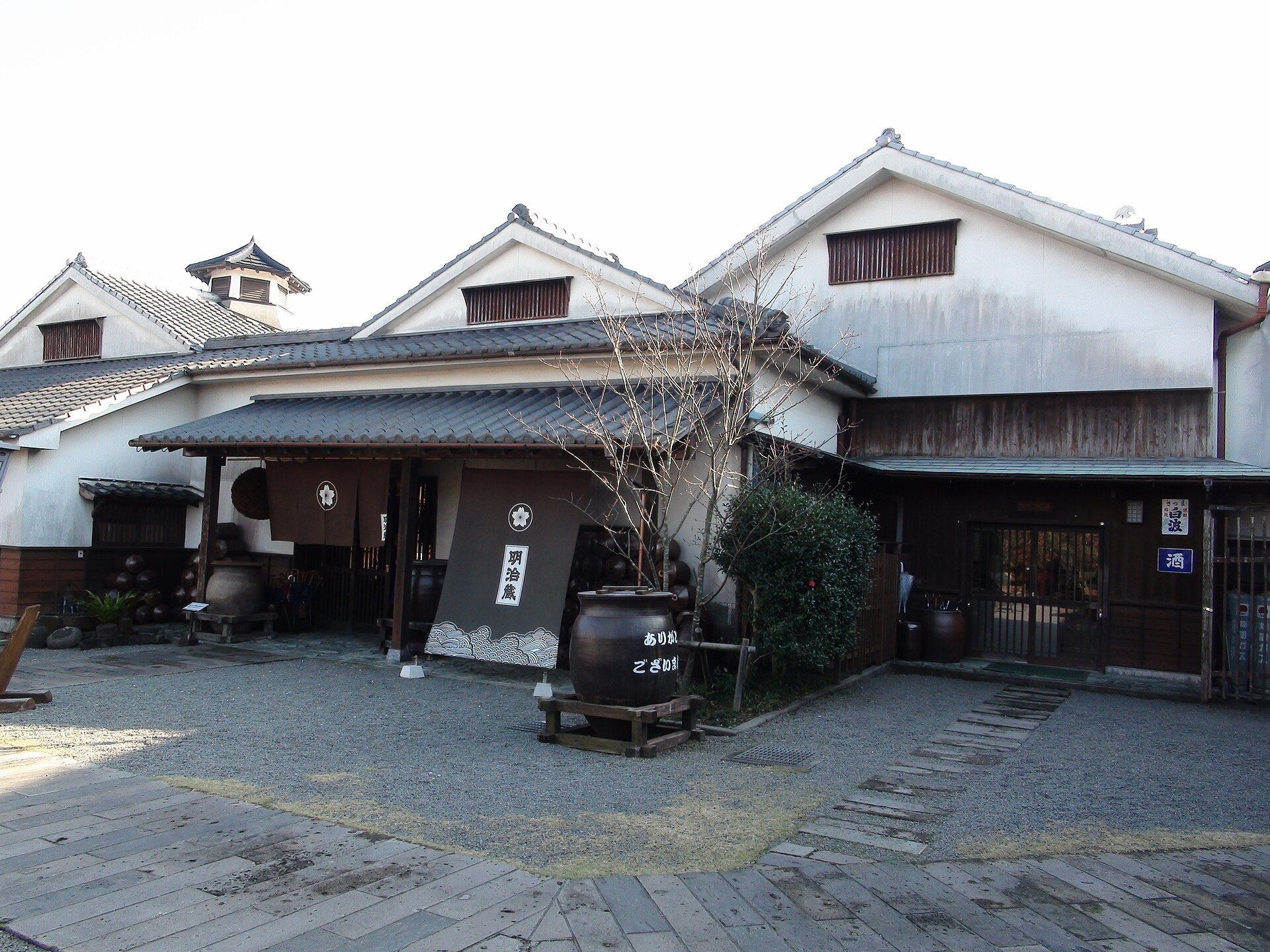
Satsuma shochu is a name with conditions attached. To carry it, the spirit must be made from sweet potato grown in Kagoshima and water drawn in Kagoshima, fermented and distilled inside the prefecture, and run once through a pot still — a single distillation that keeps the raw material's character instead of stripping it away. The volcanic shirasu plateaus covering much of the prefecture drain too fast for rice but suit sweet potato exactly, which is why the drink settled here and not elsewhere. Near the southern tip, Makurazaki is a fishing town, and Satsuma Shuzo's Meijigura stands close to its port: a working kura whose white-walled buildings double as the visitor route.
Background & history
Distilling is old in Satsuma: the earliest written mention of shochu anywhere in Japan survives on a carpenter's board at a shrine in Isa, in the north of the prefecture. Sweet potato came later, carried up from the Ryukyu Kingdom in the Edo period, and spread fast across ground that would not hold rice — so fast that the main raw material shifted from grain to potato. The methods that fixed the modern style, two-stage mashing and the switch to black koji among them, settled at the end of the Meiji period. That is the moment Meijigura preserves.
What to look for — in walking order
- The kame-tsubo fermentation floor
- clay pots set into the ground, still used to ferment the mash
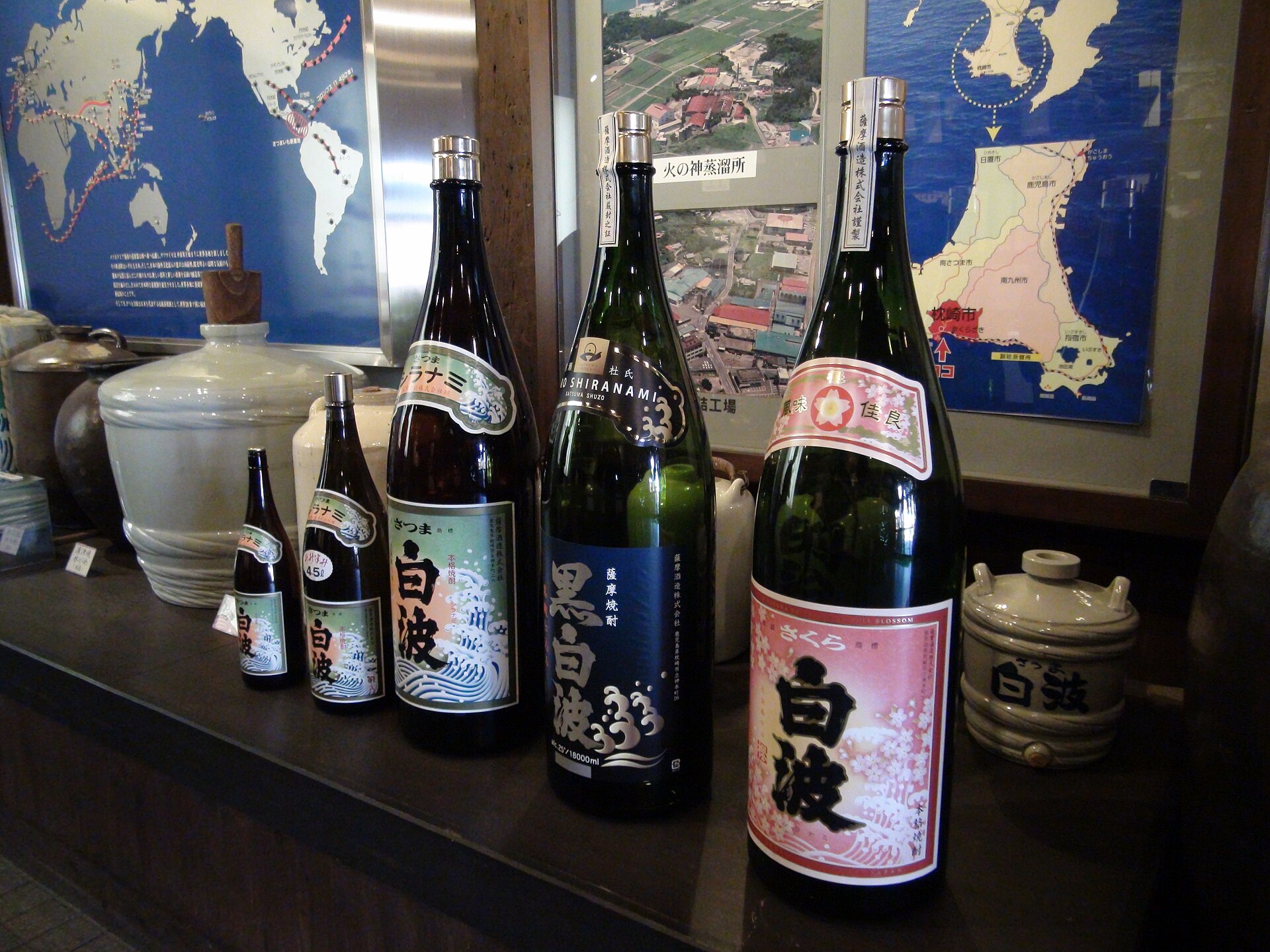
- The Meijigura exhibition room
- old tools of shochu making, with maps tracing the sweet potato's route to Satsuma
- The tasting counter
- a line-up that includes bottlings released only at the kura
- Kedogawa Beer House
- the restaurant on the same grounds, sharing the Kedogawa name with the distillery
- Makurazaki Fish Centre
- the port's seafood hall, a short walk east of the kura
How to enjoy it
Meijigura opens at 9:00 and closes at 16:00, so it sits easily on either side of lunch in the port town. Come between autumn and midwinter and the mash is genuinely working, which is the difference between a distillery and a museum of one. Taste at the counter before you buy: some of what is poured there is bottled nowhere else.
How to actually get there
- Kagoshima-Chuo Station → Makurazaki Station (JR Ibusuki-Makurazaki Line; three through trains a day, otherwise change at Ibusuki or Yamakawa).
- Makurazaki Station → Satsuma Shuzo Meijigura (about 5 min by taxi, or roughly 20 min on foot).
- At the gate, take either the staff-guided round or the self-guided route; the tasting counter comes at the end.
- About an hour by road from Kagoshima
- The kura's own guidance is roughly 60 minutes by car from central Kagoshima on the Nansatsu expressway. By rail, take the JR Ibusuki-Makurazaki Line to Makurazaki, the end of the line; only three through services a day run from Kagoshima-Chuo, and the rest need a change at Ibusuki or Yamakawa. From Makurazaki Station the kura is about five minutes by taxi.
- Leaving Makurazaki
- Trains on the Ibusuki-Makurazaki Line are infrequent, so check the return departure at Makurazaki Station before you settle in for a tasting. A taxi back takes the same few minutes. If you drove, the kura has free parking, including space for coaches.
Before you go
- Cash
- Admission to Meijigura is free and so is the tasting. The shop and the beer house on the same grounds charge normally. This is a small town, so carry notes as well as a card.
- Closing days
- Meijigura closes over the New Year period. Brewing is seasonal, concentrated in the months after the sweet-potato harvest, so a visit outside that window shows the buildings and the vessels rather than work in progress. The site is beside the port and can be windy.
- Another way
- By road, Makurazaki is about thirty minutes from Chiran and about an hour from Ibusuki, so the kura pairs naturally with the samurai residences or the sand baths in a single day of driving.
- After you get off
- Makurazaki Station is the end of the JR line, roughly 1.5 km east of the kura — five minutes by taxi, or about twenty minutes on foot.