Winter
Steam, snow and clear skies
50 places for winter — the editors' six first, then the rest by rating.
50 places
-
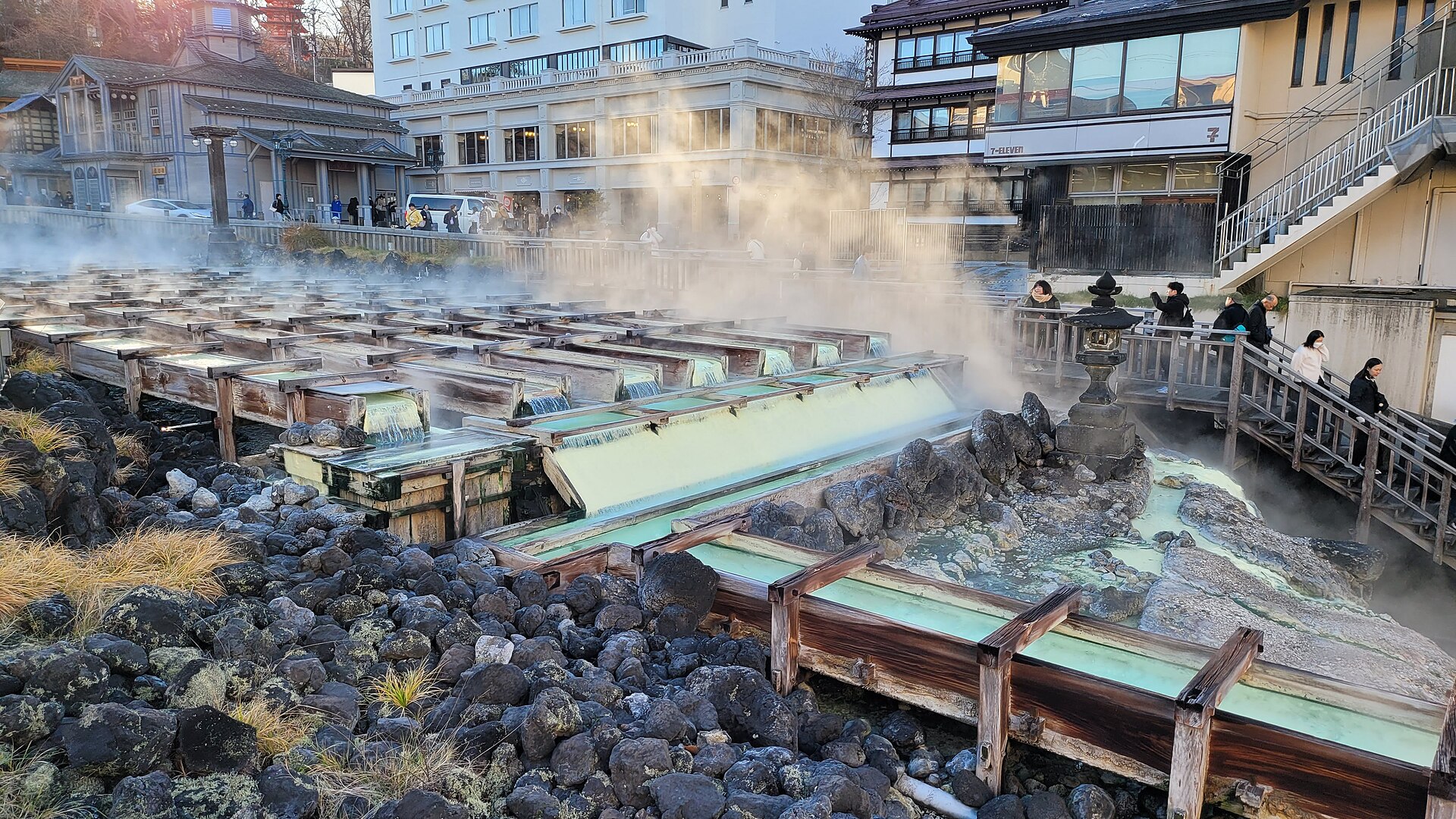
Kusatsu Onsen's Yubatake — hot spring running through open wooden channels
4,000 litres a minute at pH 2.1, running through seven wooden channels in the open — free, always open, best at dawn or after dark.
-
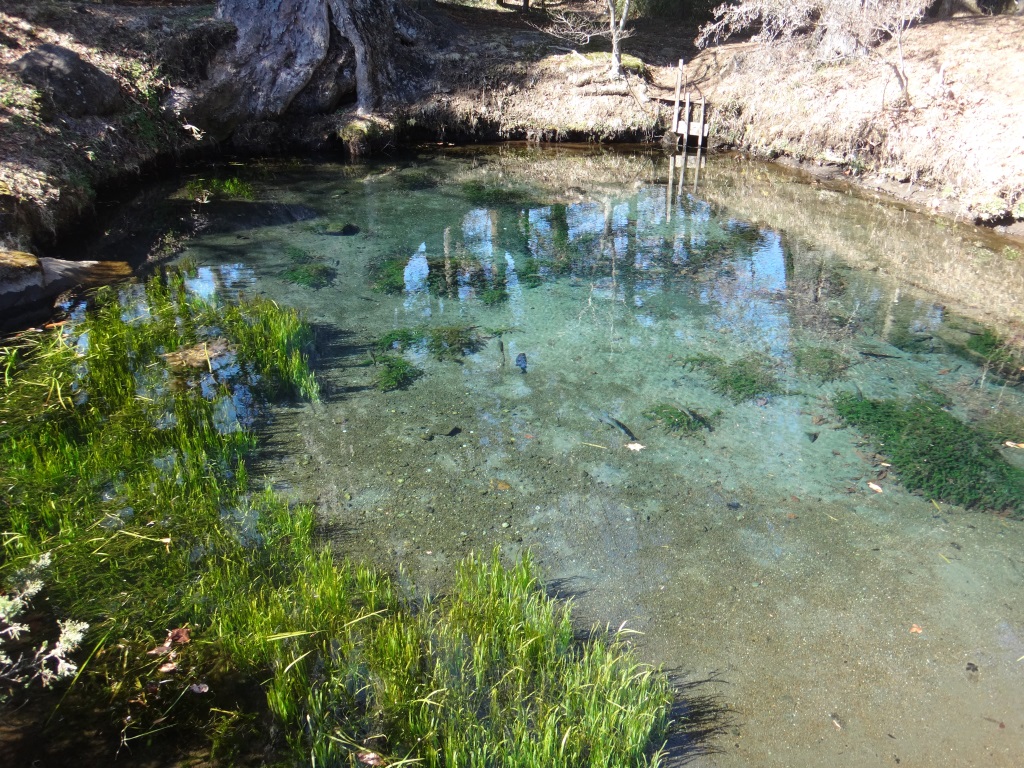
Oshino Hakkai — Mount Fuji's eight spring ponds
Eight glacier-clear spring ponds fed by Fuji snowmelt — all part of the Fuji UNESCO World Heritage Site.
-
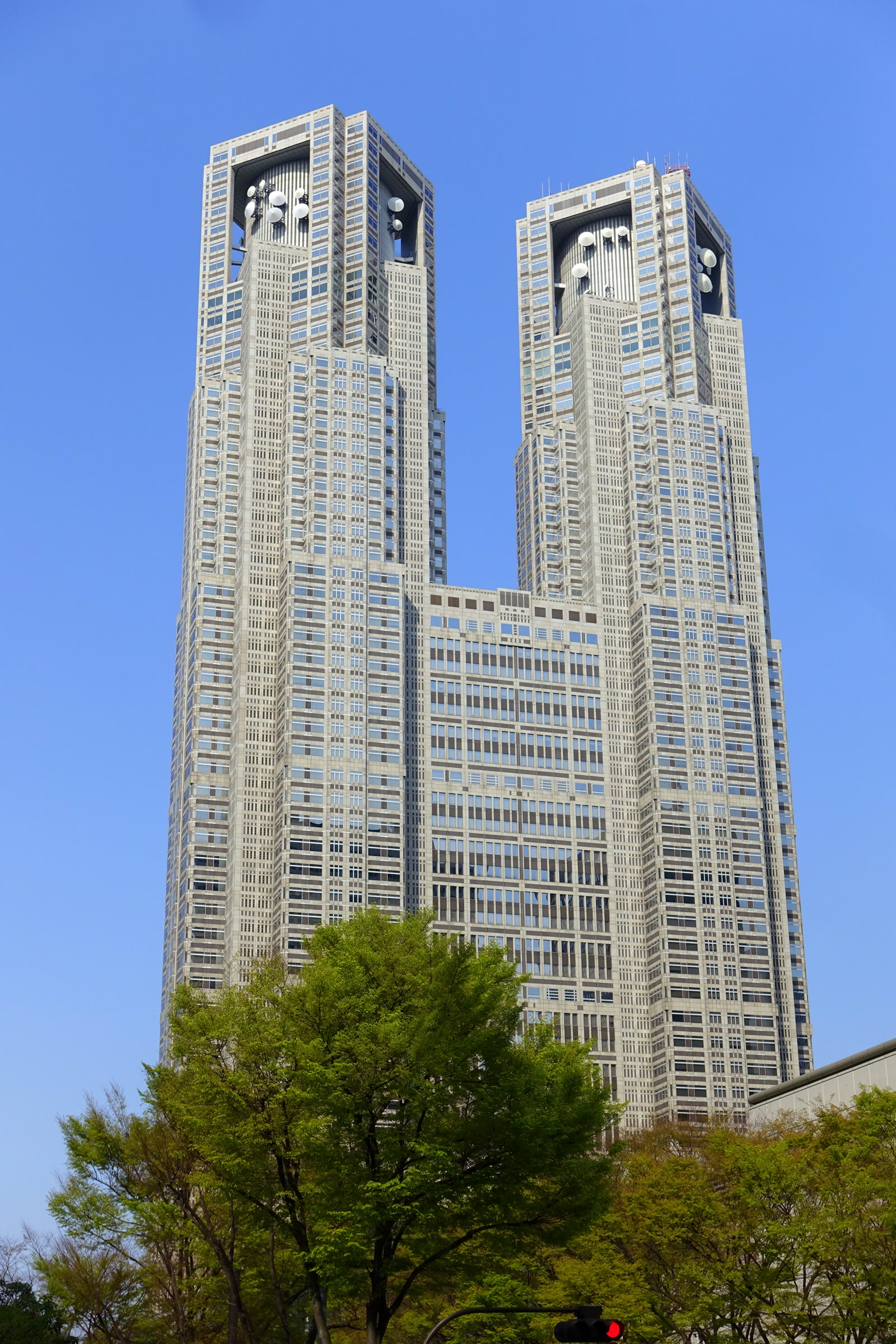
Tokyo Metropolitan Government Building — the city's best free panorama
Tokyo's best free viewpoint: 202 m, south deck open until 22:00, clear-day Fuji views — no tickets, no queue.
-
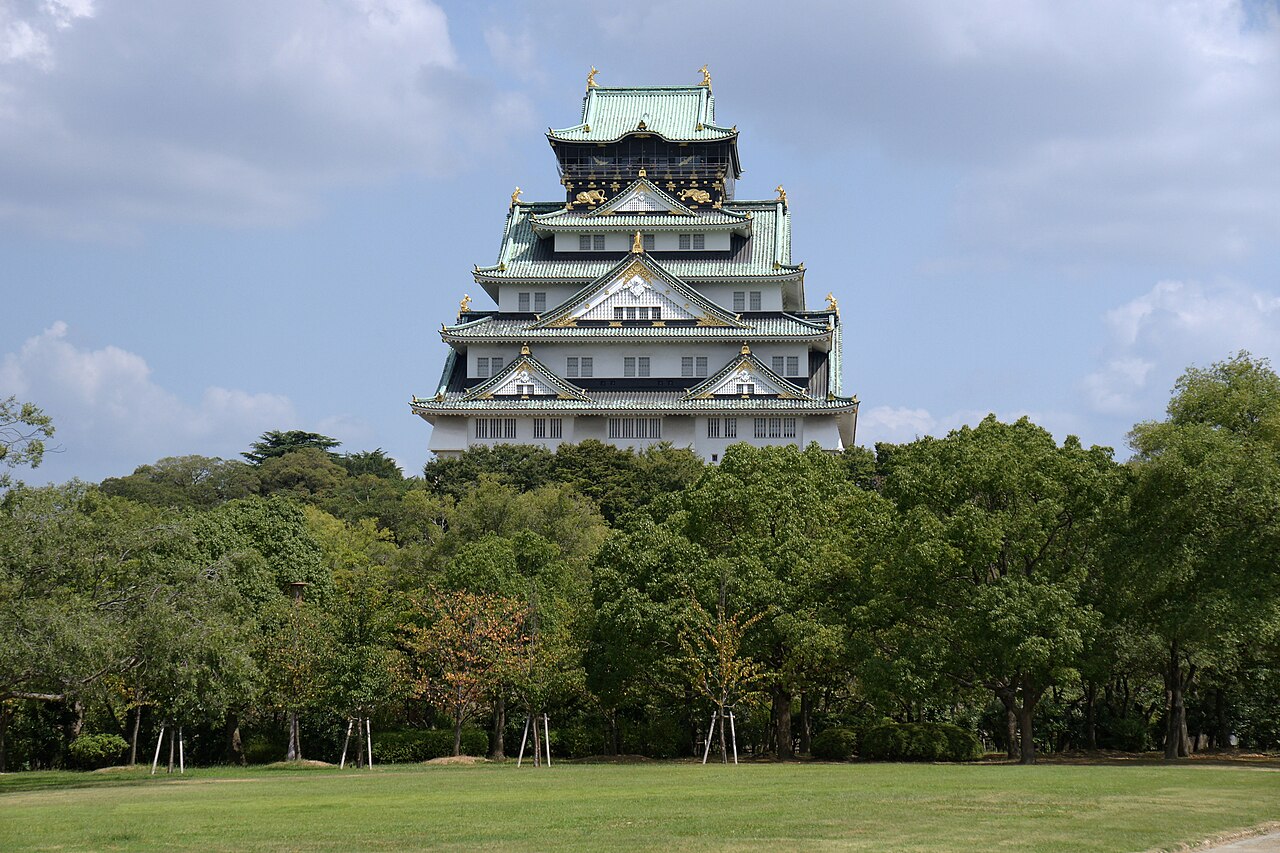
Nishinomaru Garden
An open lawn with a clean, uncrowded view of the keep over the moat.
-
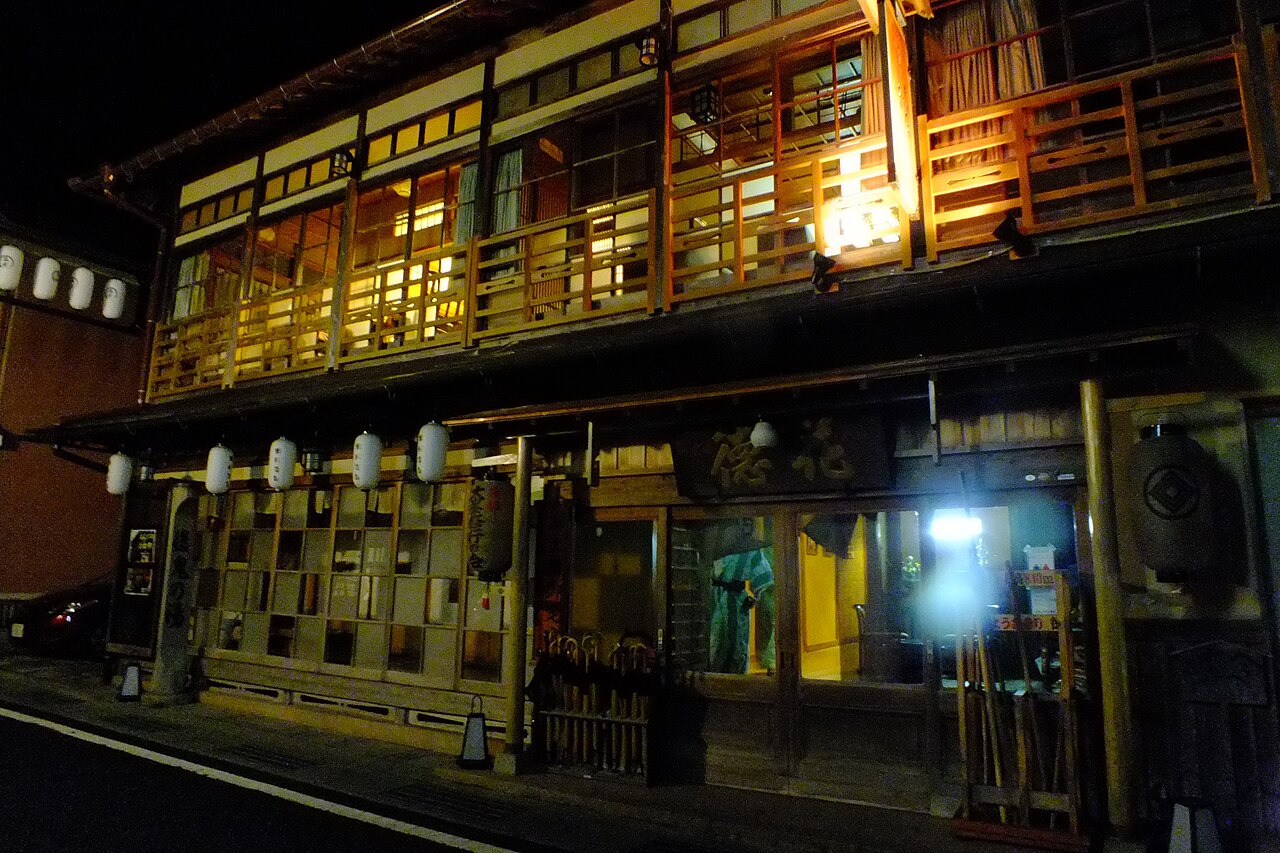
Dorogawa Onsen
A pilgrim's onsen street that still looks the part after dark. Two and a half hours from Osaka, but the bus decides your day — plan around it.
-
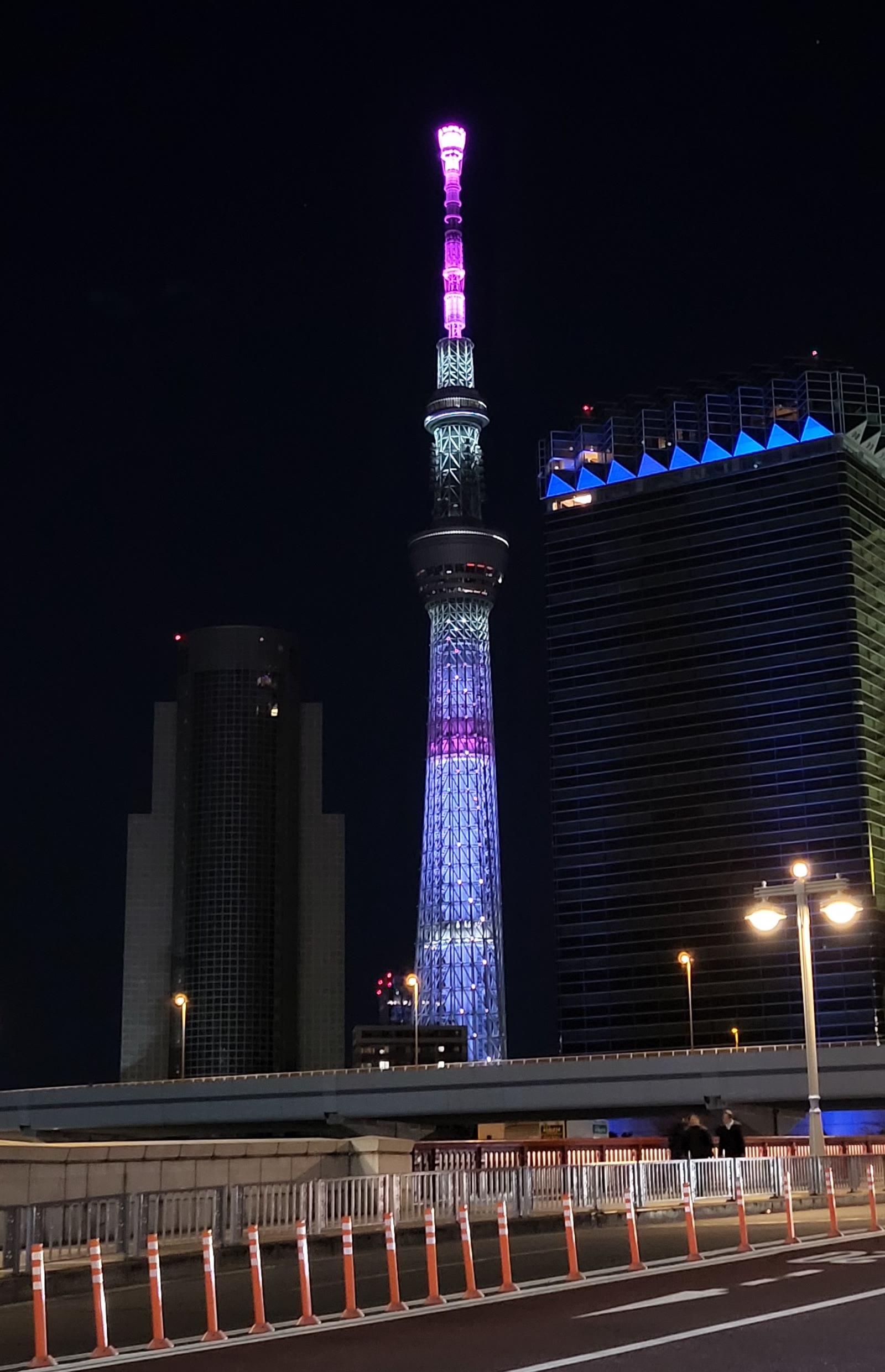
Tokyo Skytree
Japan's tallest tower at 634 m — clear winter mornings reveal Fuji-san from the 350 m deck. One stop from Asakusa.
-
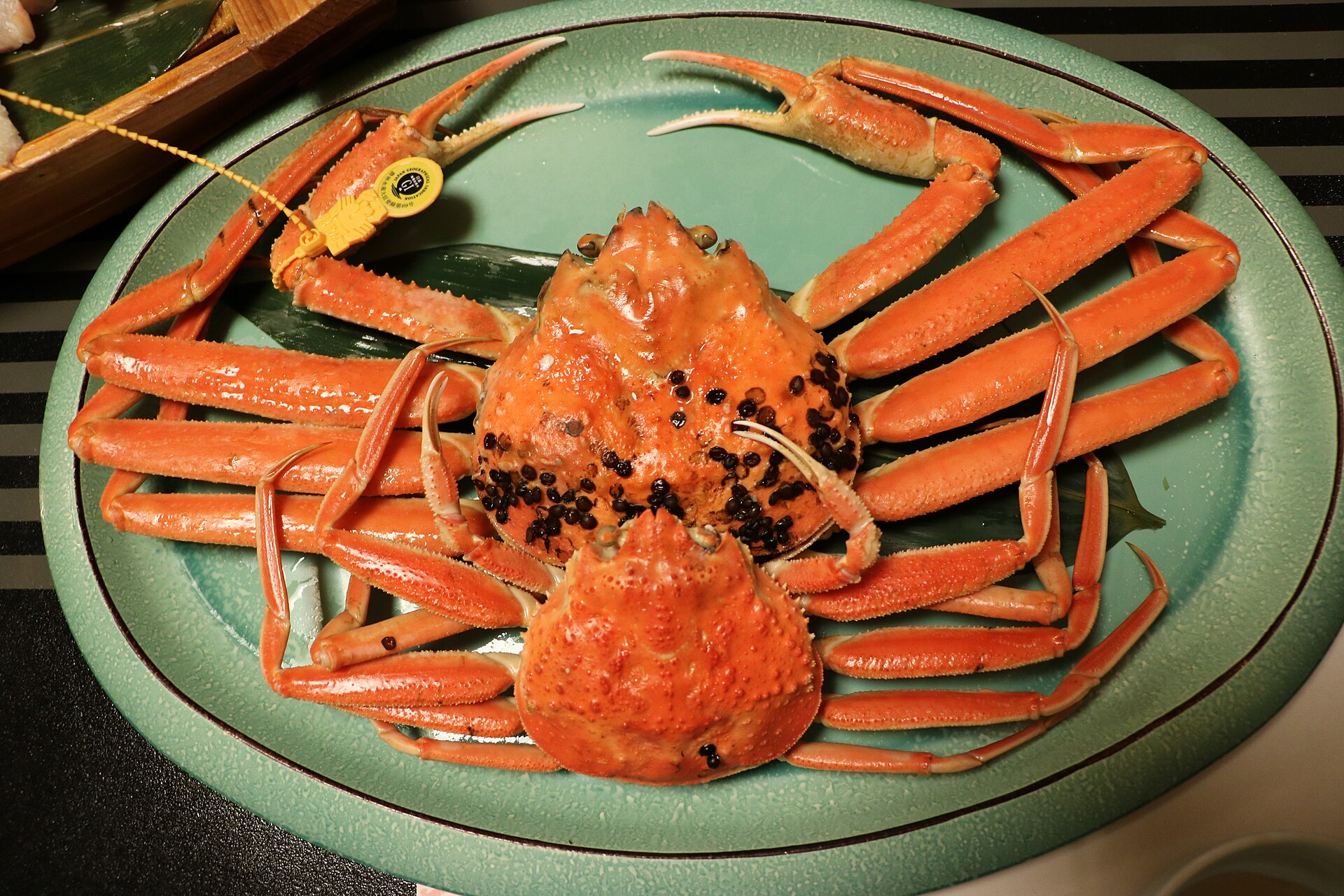
Echizen Snow Crab
The crab's own front door — museum, market hall and a sea bath on one roadside site.
-
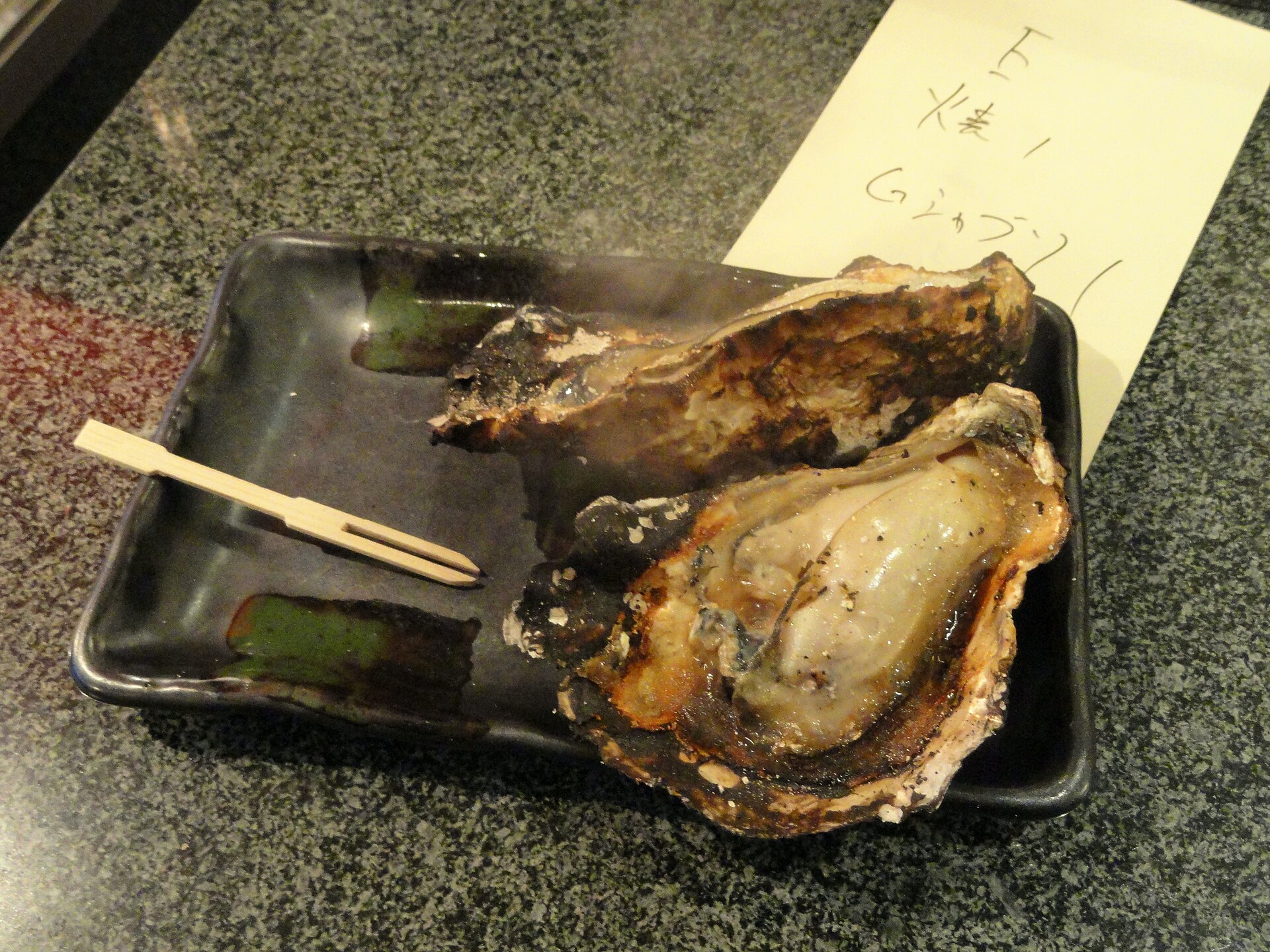
Hiroshima Oysters
Grilled oysters handed over at the counter, on the road between the pier and the shrine.
-
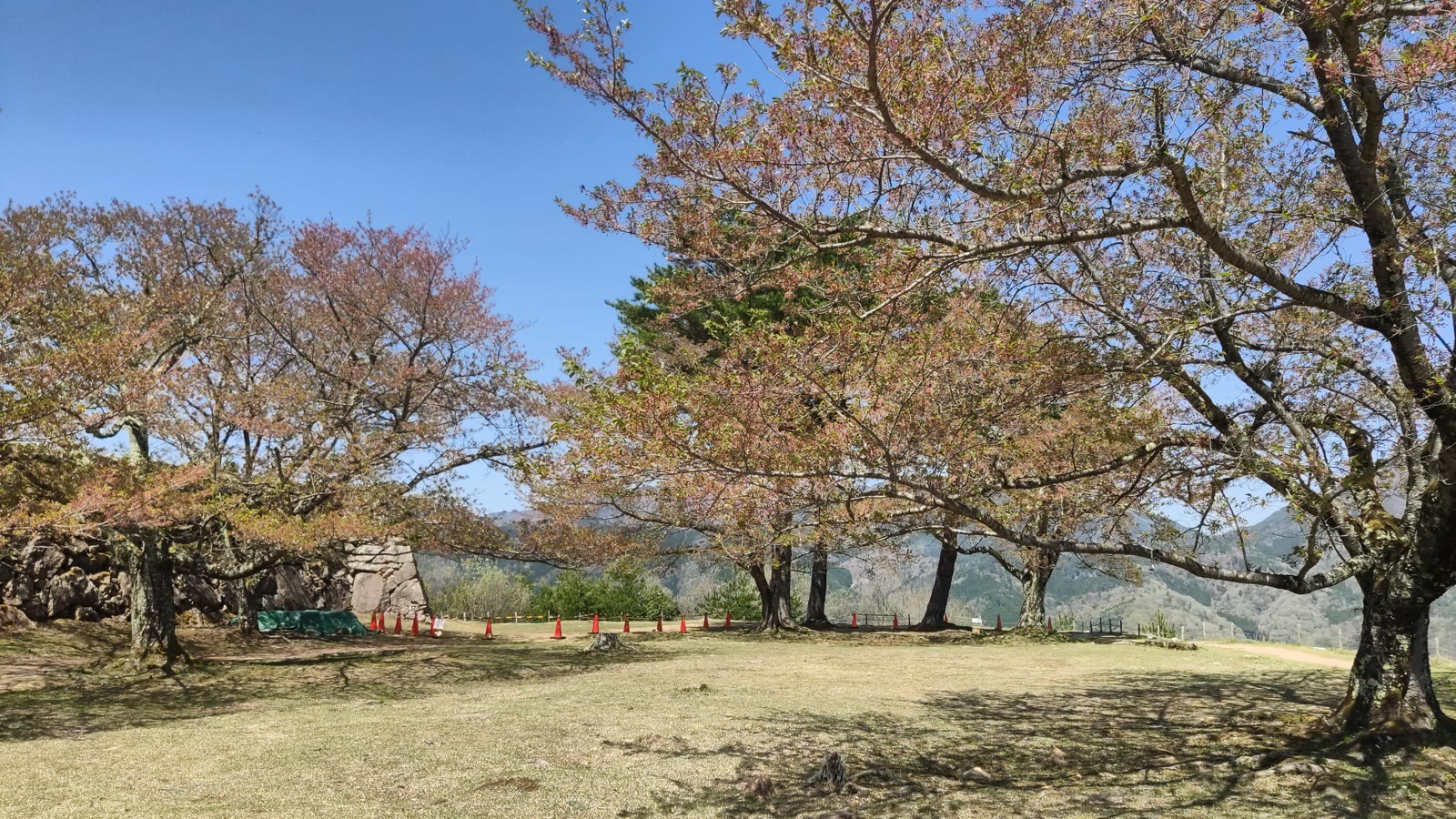
Takeda Castle Ruins
One of Japan's most dramatic castle ruins: a 353-metre hilltop, intact stone walls, and on autumn mornings, a valley of cloud below. Allow ~2.5 hours from Osaka each way.
-
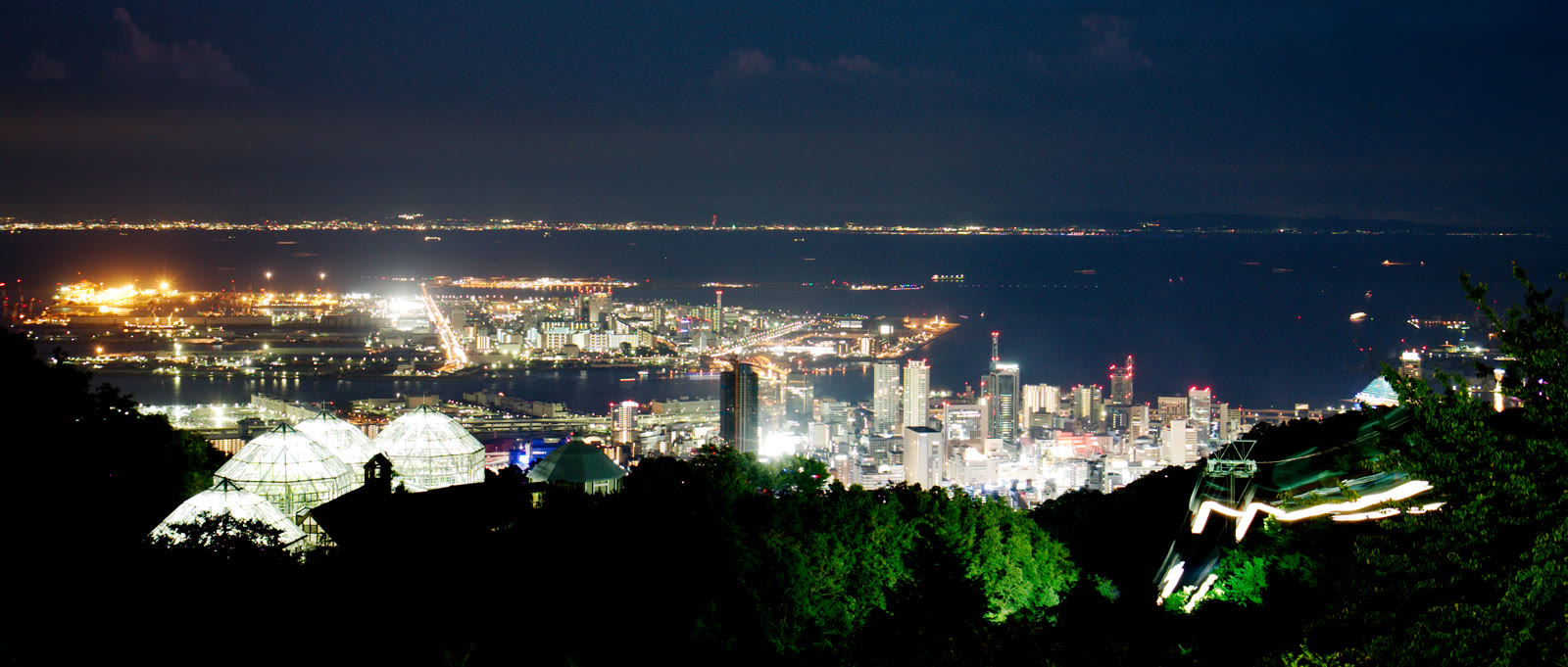
Nunobiki Herb Gardens
Japan's largest herb garden on a Rokko mountainside, with a city-and-harbour panorama that changes from morning light to evening glow.
-
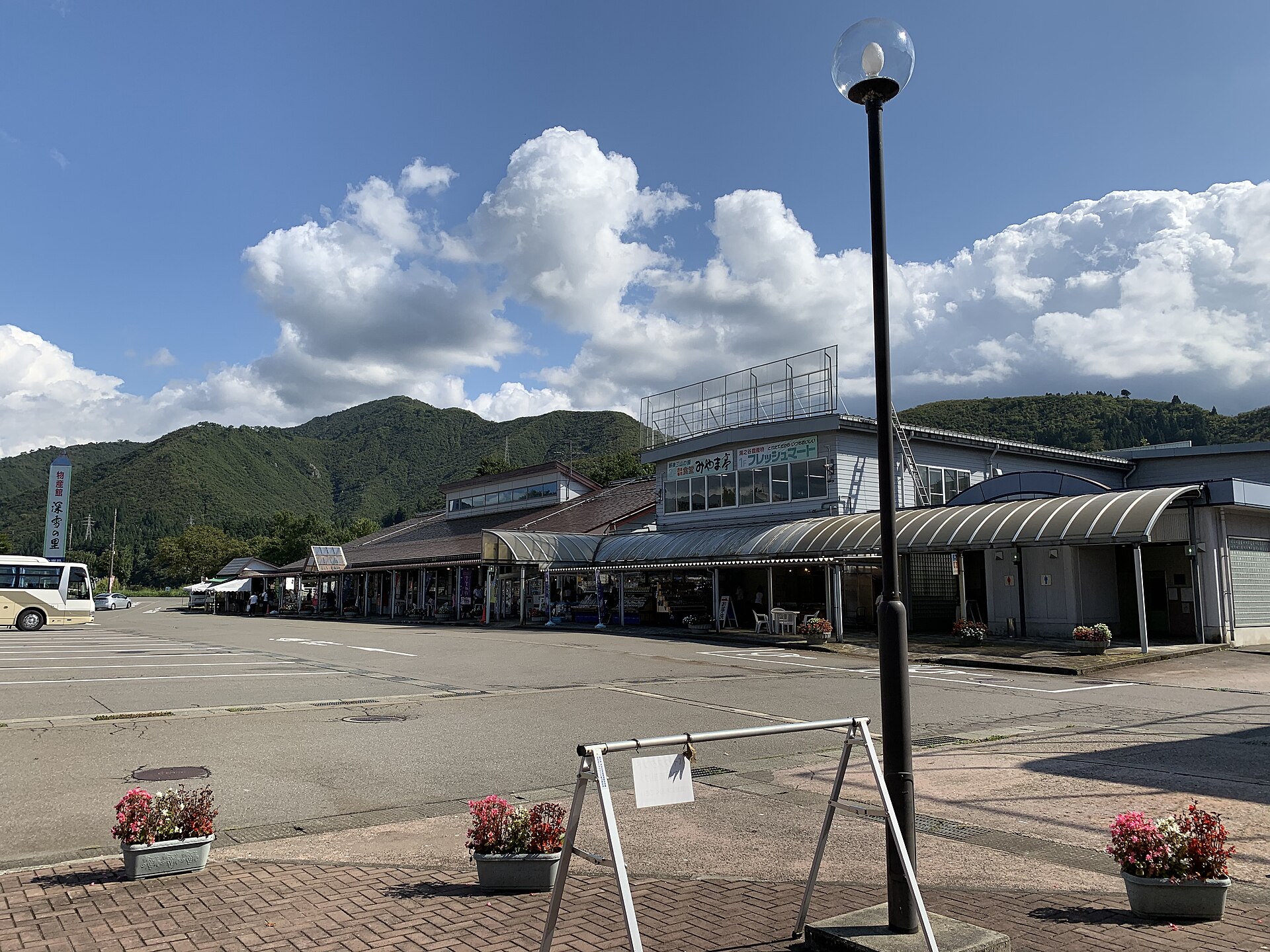
Uonuma Koshihikari Rice
A counter inside Japan's most famous rice district, where the rice is sold and cooked on the spot.
-
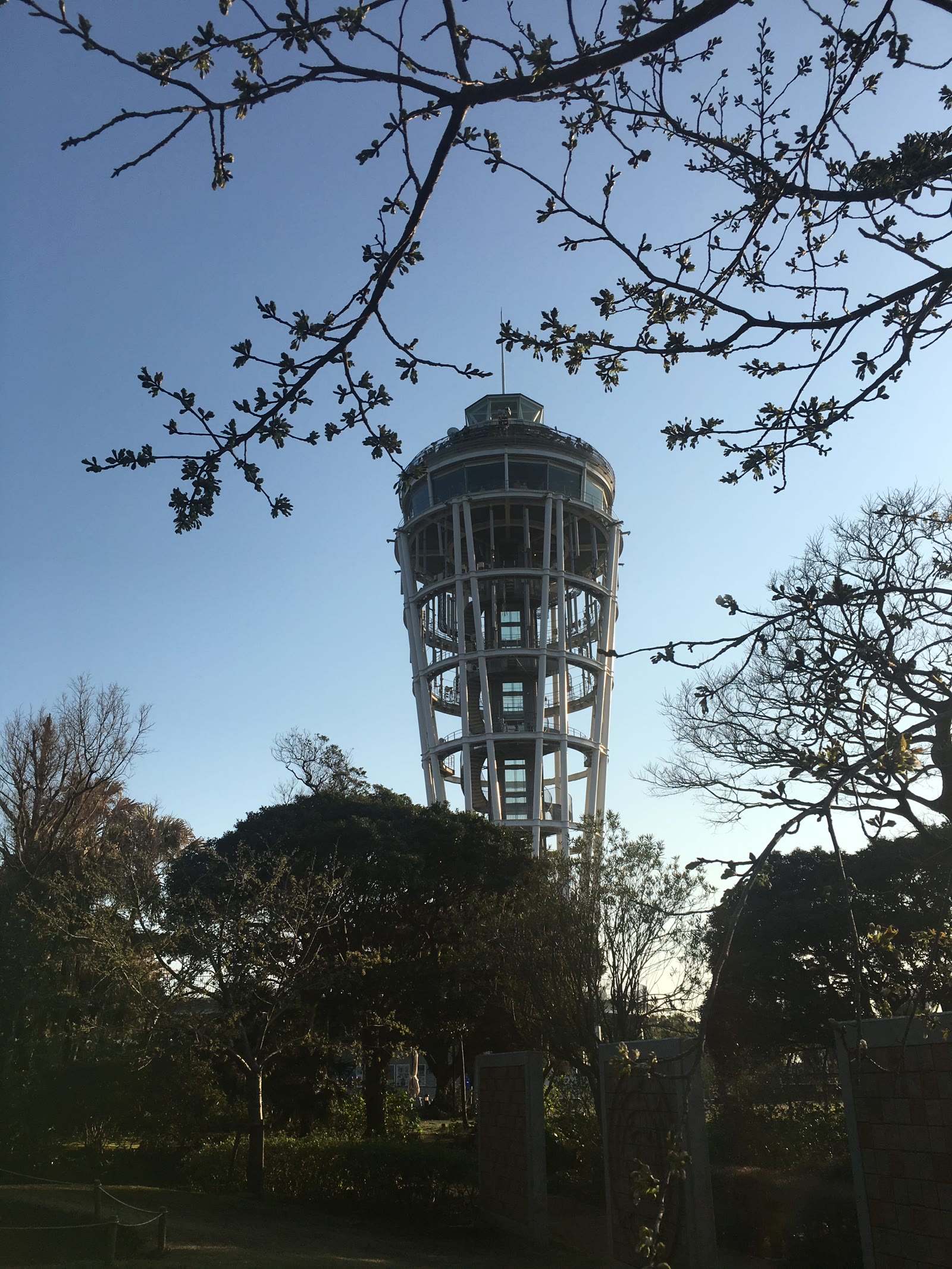
Enoshima Island
Shonan's island shrine — 1,500-year-old Benzaiten, sea caves, and a lighthouse tower with a Mount Fuji view.
-
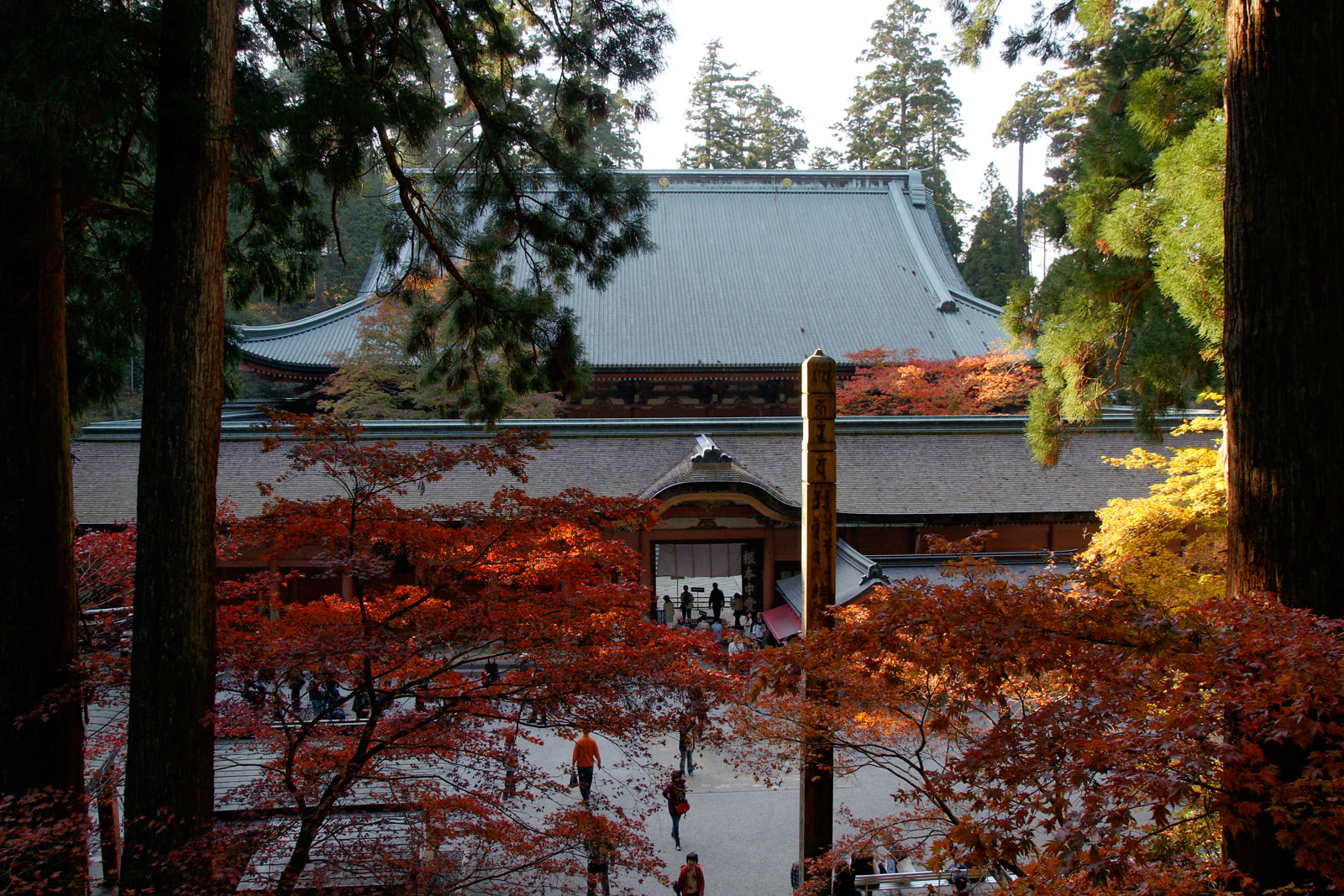
Enryaku-ji Temple
Mount Hiei's mountaintop monastery — where the founders of Japan's major Buddhist schools trained, and a single flame has burned for 1,200 years.
-
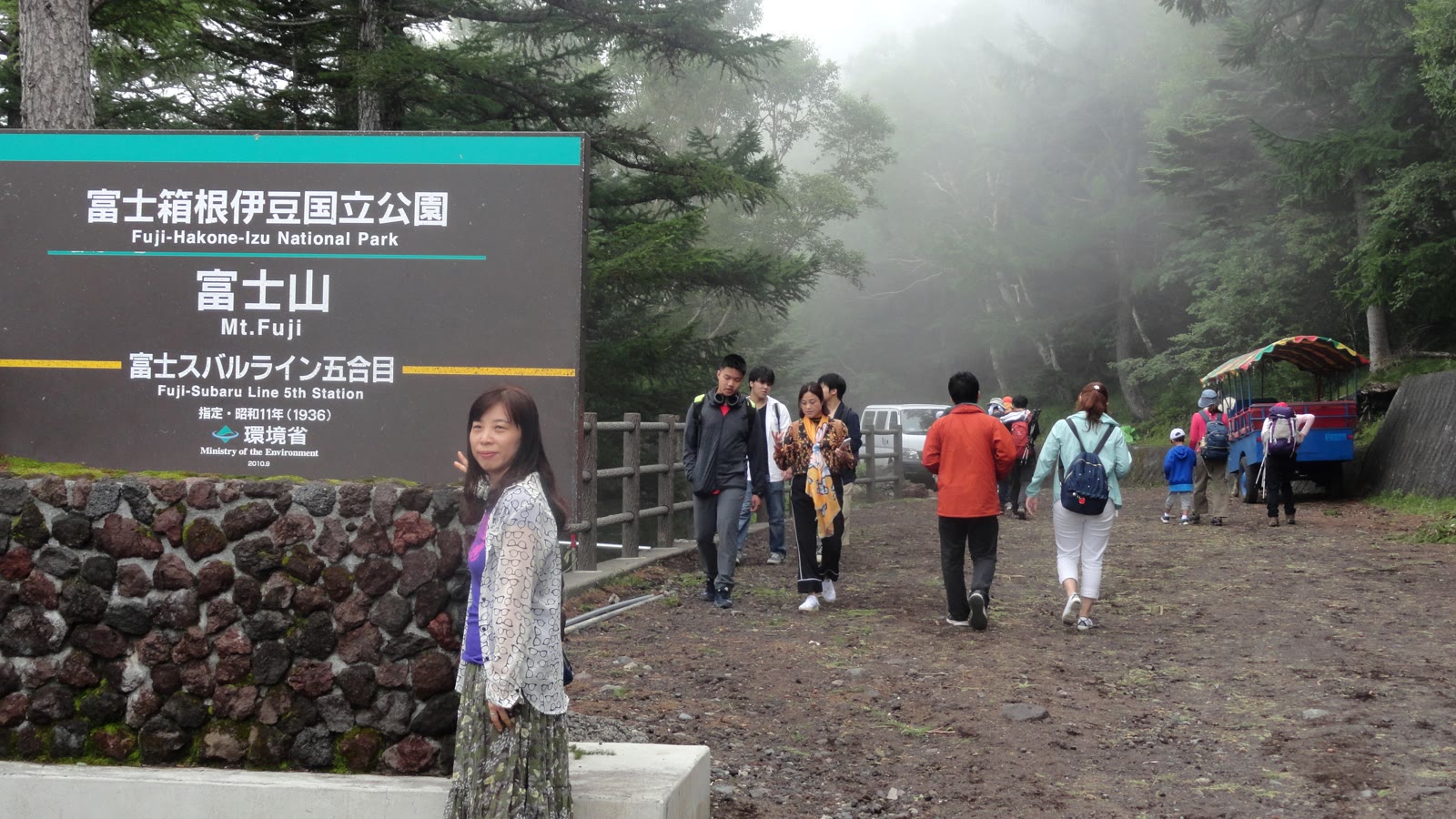
Mount Fuji
Japan's highest mountain and most iconic image — the 5th Station at 2,305 m is accessible by bus and often above the cloud layer on clear mornings.
-
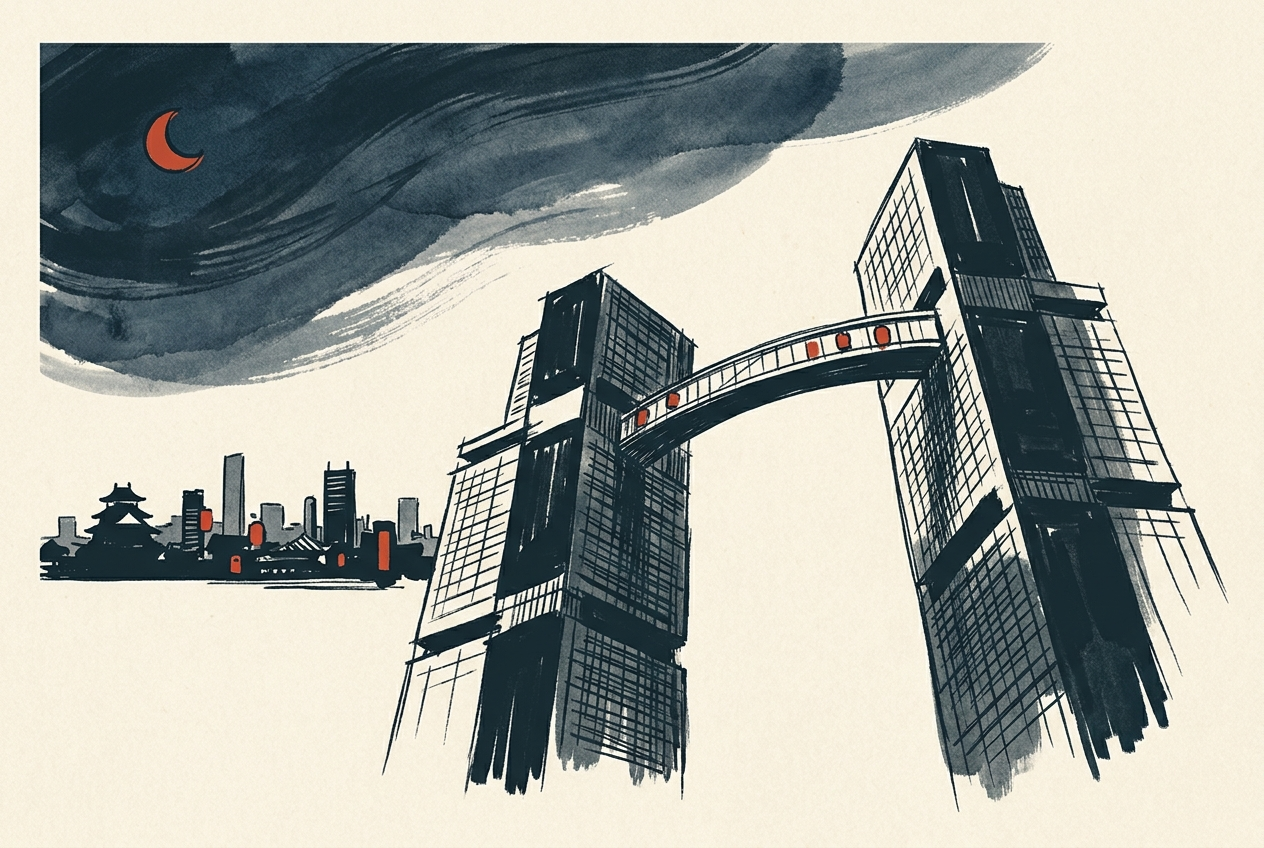
Umeda Sky Building — the open-air rooftop at 173 m
Osaka's most dramatic observation point — the open-air cross-tower escalator and 360-degree rooftop at 173 m, open until 22:30 for night views.
-
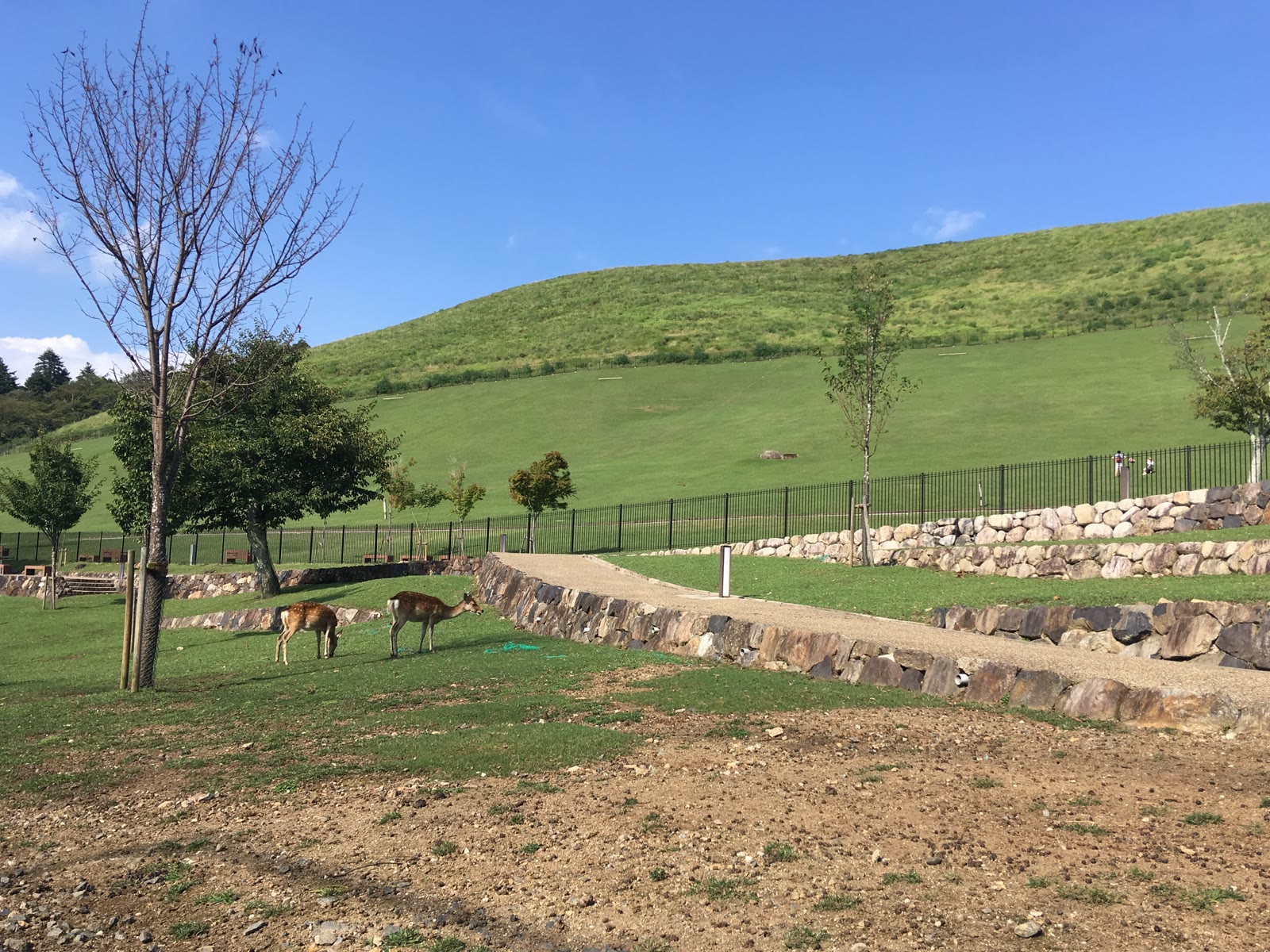
Mount Wakakusa
A three-tiered hill of pure grass above Nara Park — 30 minutes up, deer the whole way, and Todaiji's Great Buddha Hall seen from above.
-
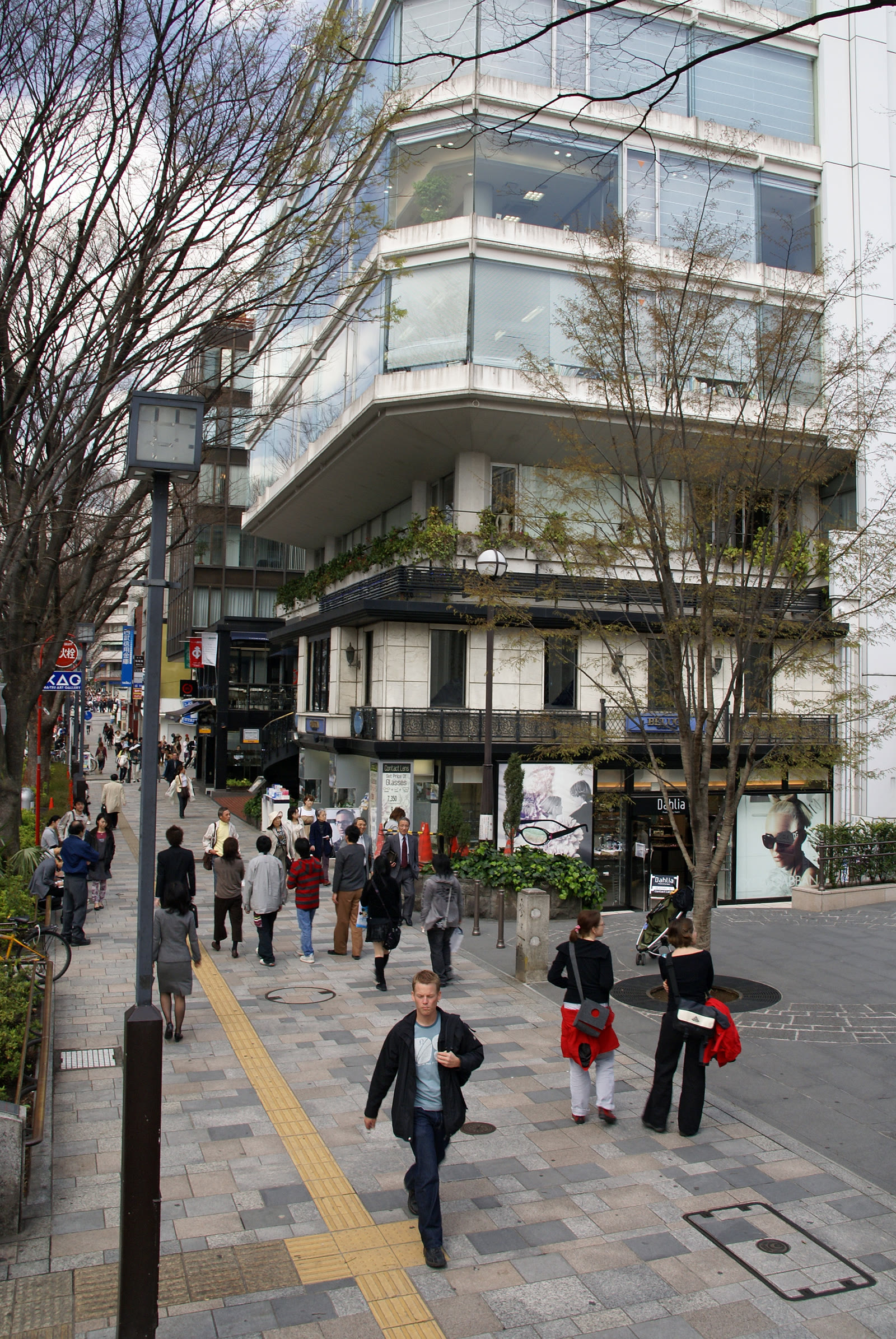
Omotesando — a shrine approach turned shopping street
Tokyo's flagship boutique avenue is a shrine approach — zelkova trees set the scale, and even Tadao Ando's building was held to three storeys to stay under them.
-
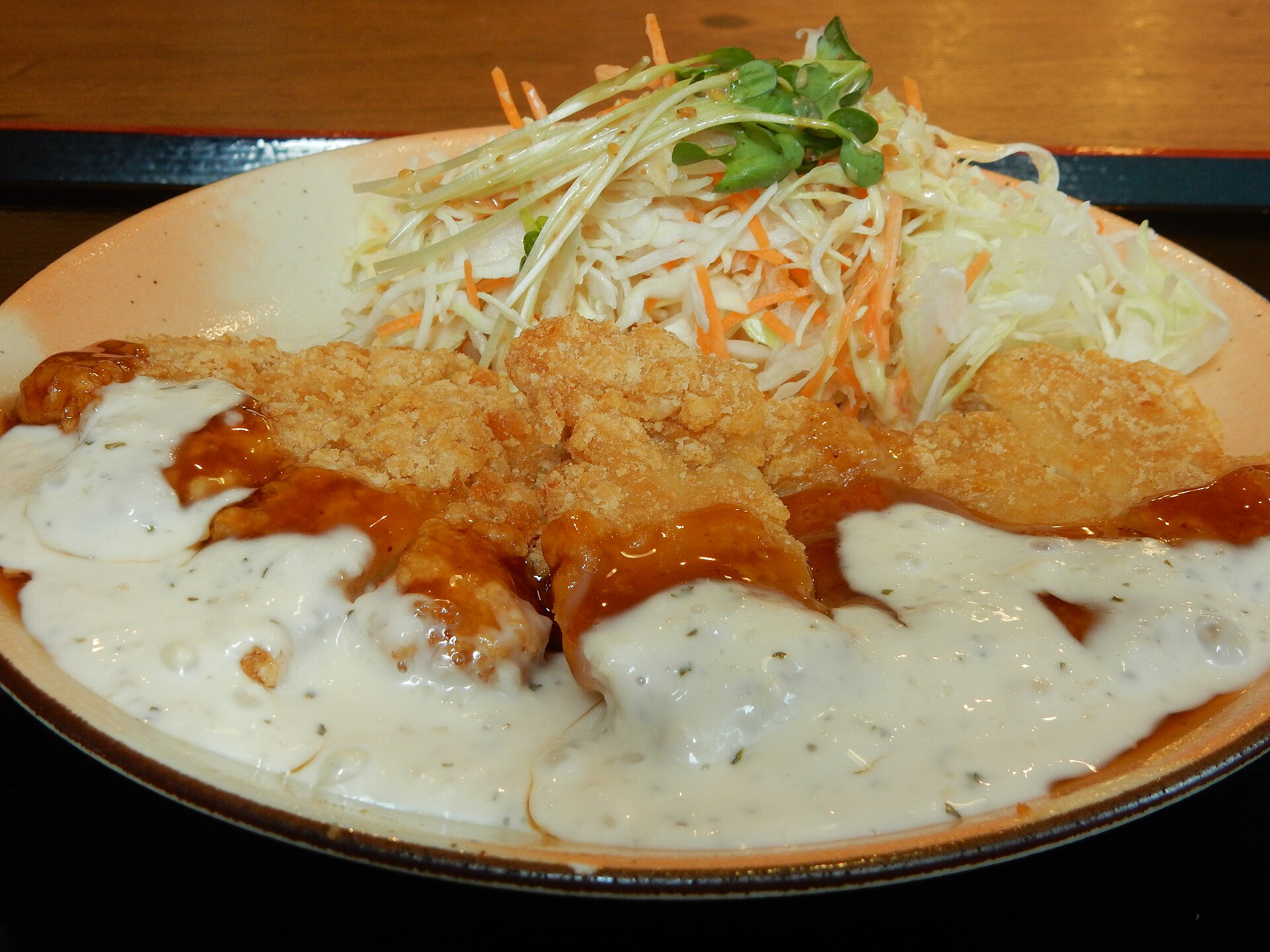
Chicken Nanban — Nobeoka's fried chicken in sweet vinegar
The birthplace of a dish the whole country eats, plus the valley's own produce hall on the way.
-
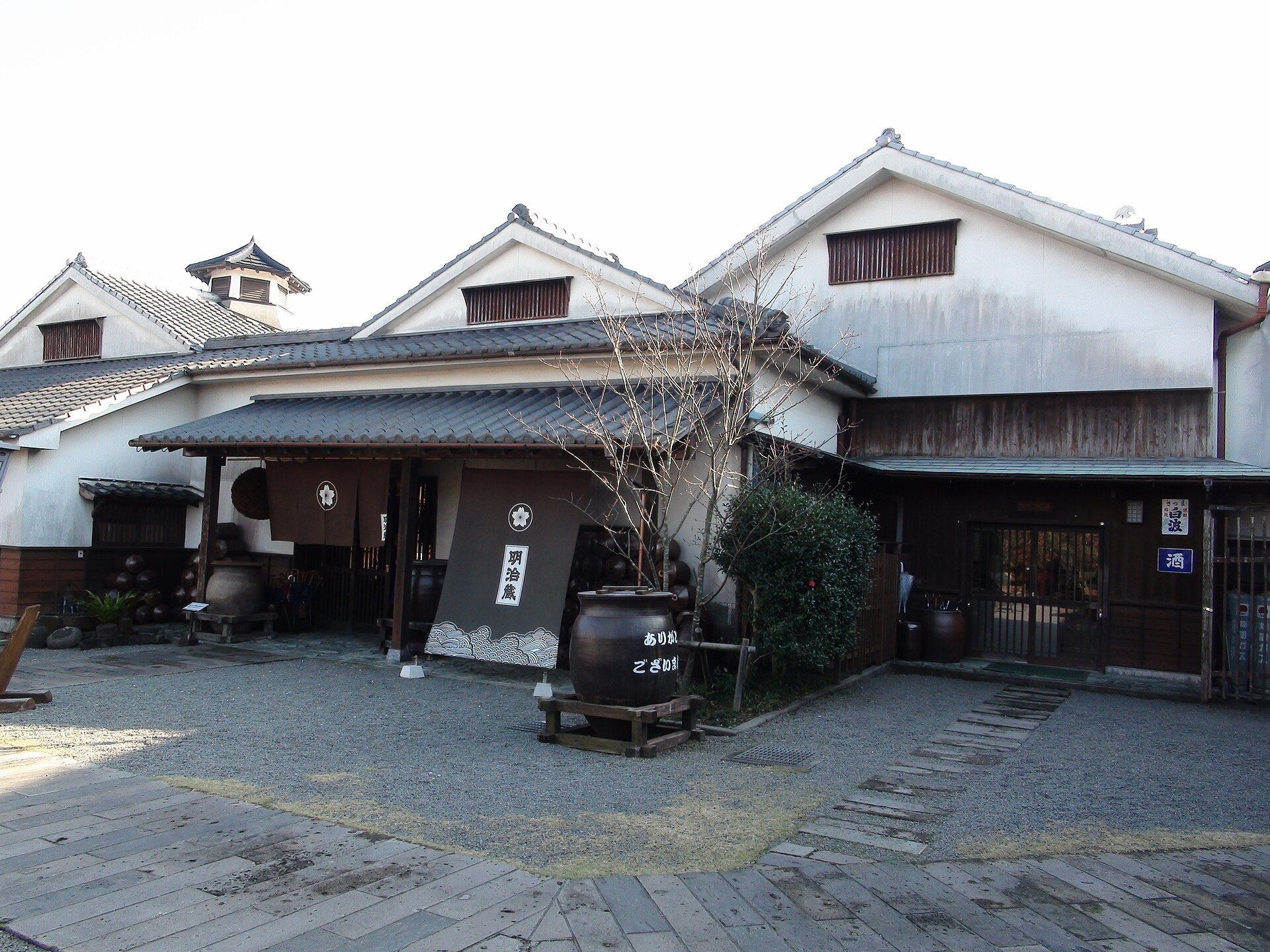
Satsuma Shochu — Kagoshima's sweet-potato spirit
A working Meiji-era shochu kura at the southern tip of Kagoshima, free to enter, tasting included.
-
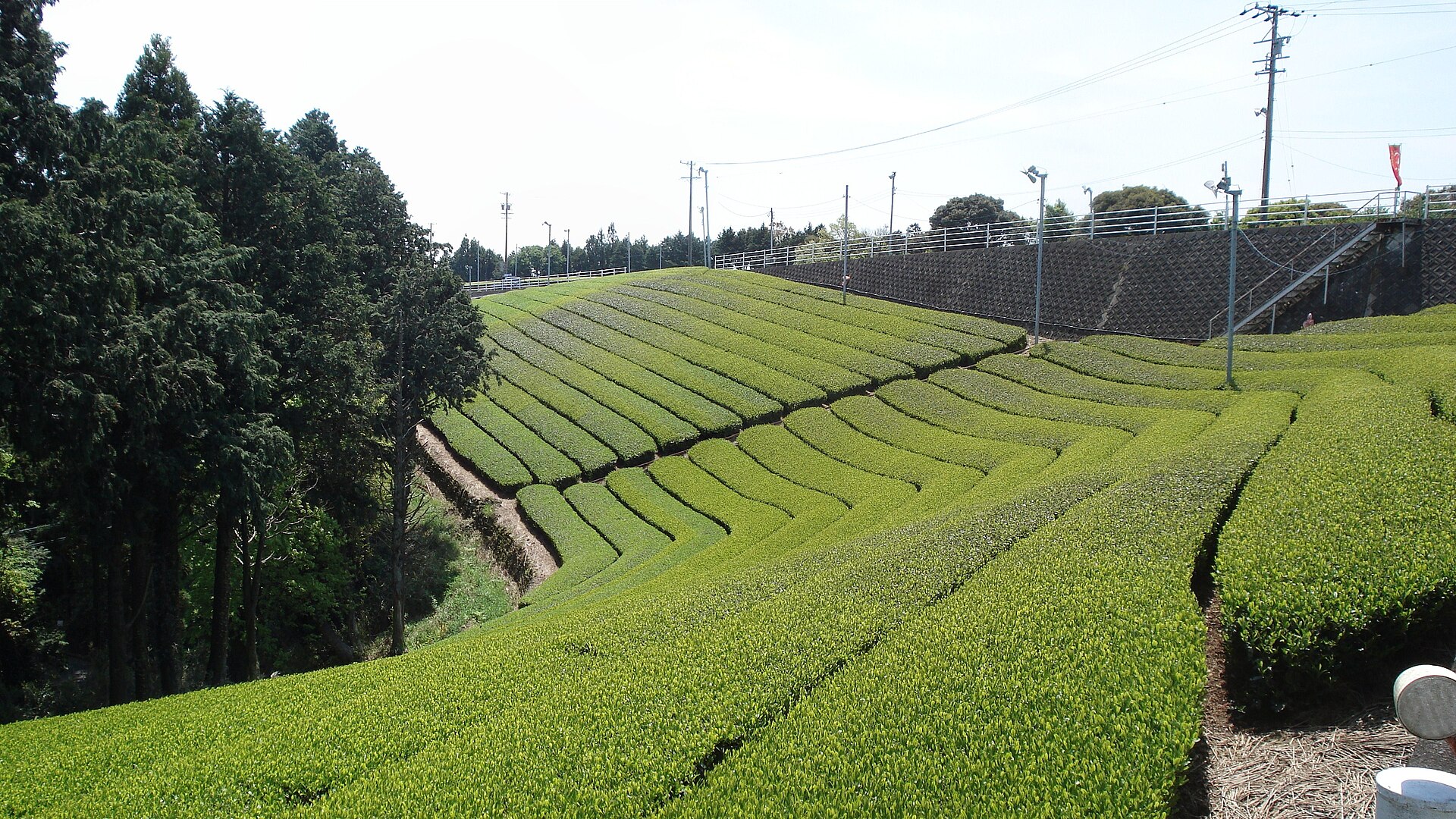
Shizuoka Green Tea
The tea plateau's only front door, with Enshu's tea room behind it.
-
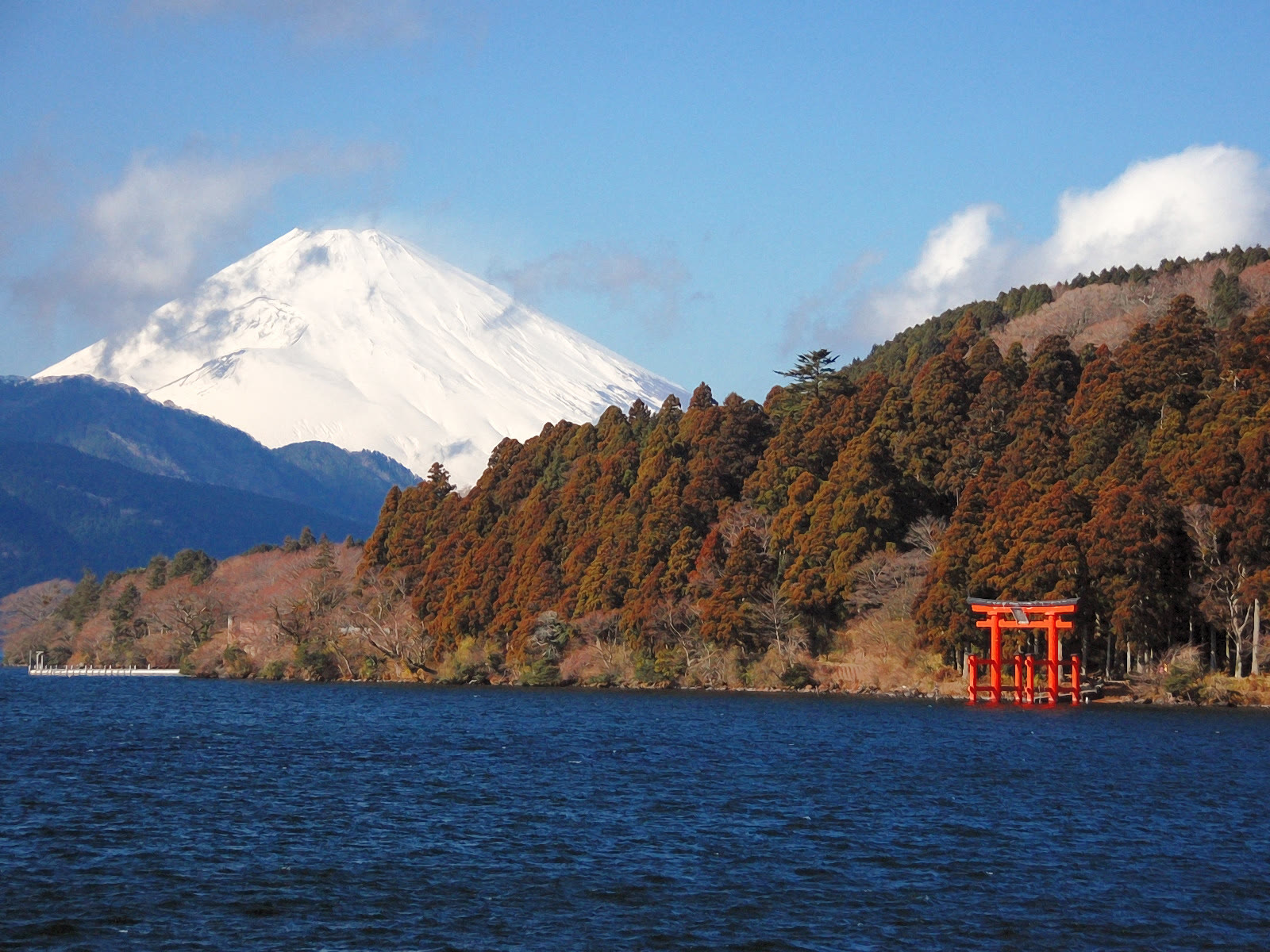
Lake Ashi
Hakone's most photographed scene — best on a clear autumn morning when Fuji rises behind the red torii gate. Board at Moto-Hakone-ko.
-
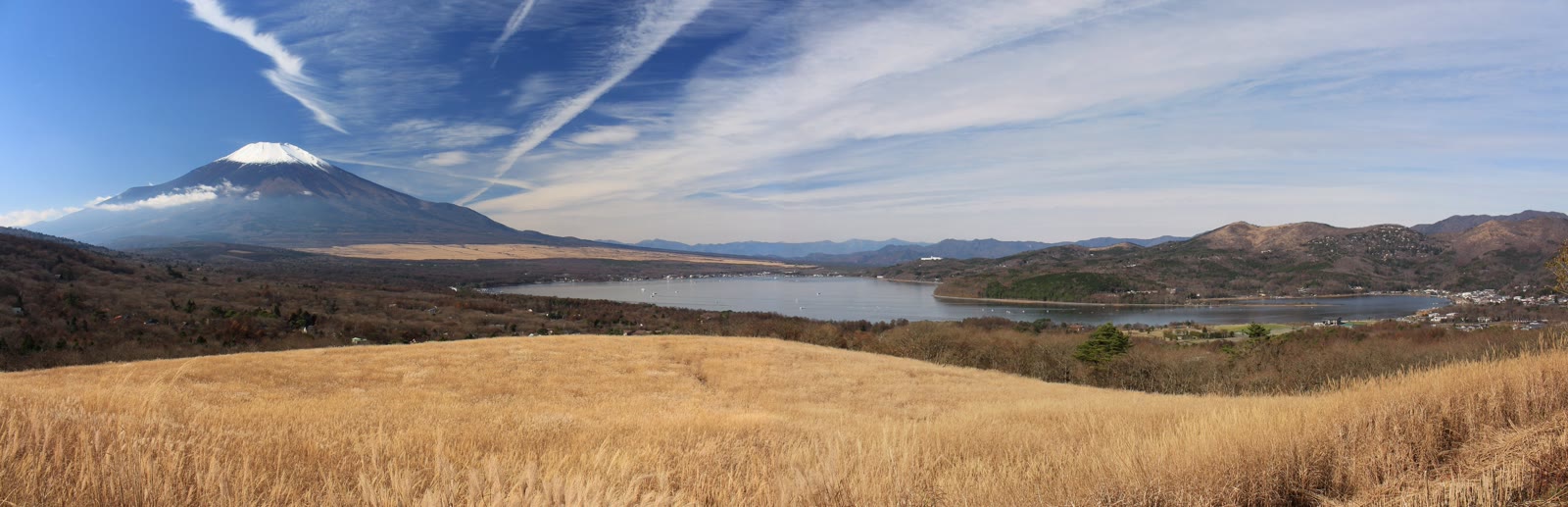
Lake Yamanakako
The Fuji Five Lake closest to the summit — clear Fuji views from the north shore, and Diamond Fuji twice a year at sunset.
-
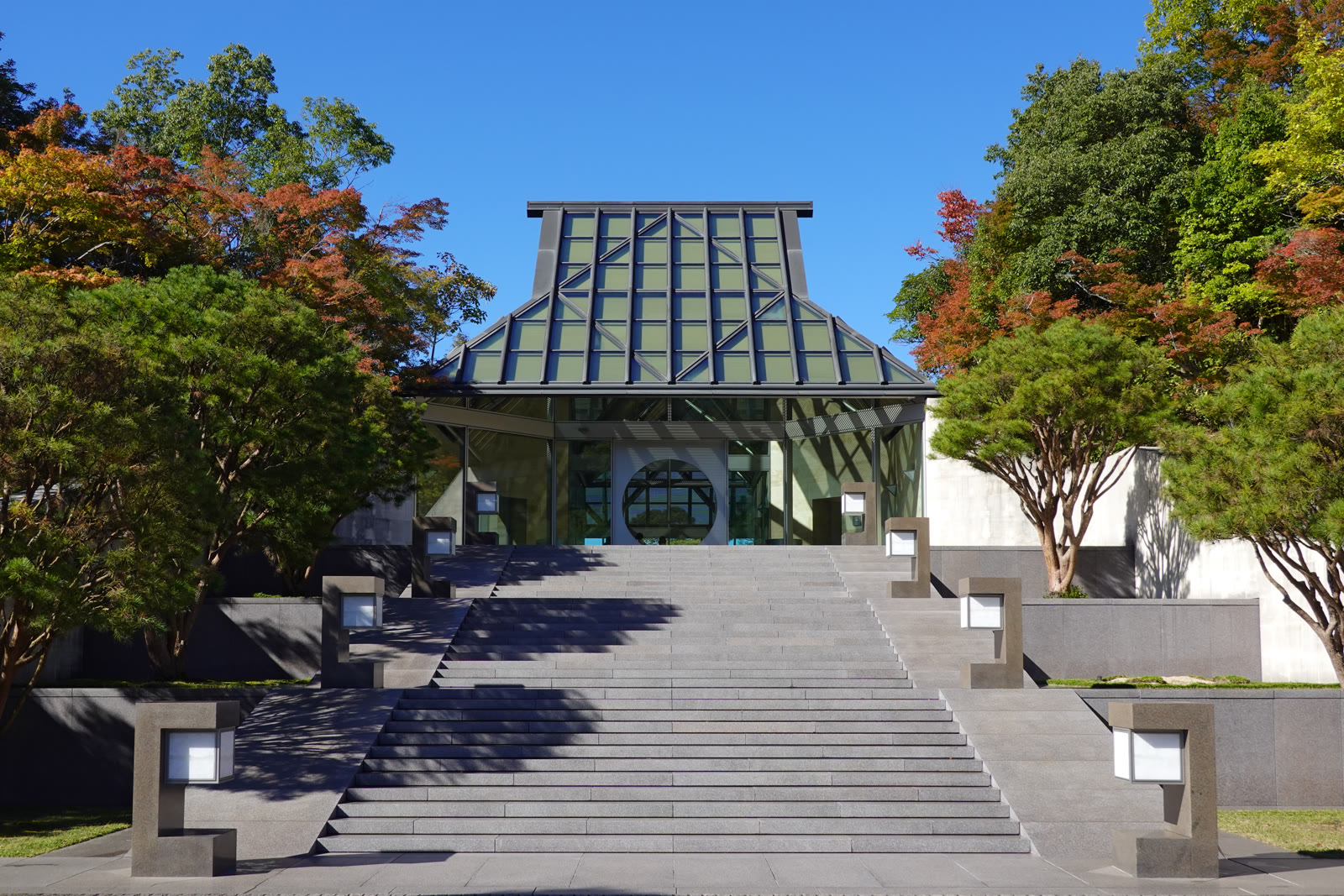
Miho Museum
I.M. Pei's mountain museum, 80% buried in the Shigaraki hills — the cherry-blossom approach, the silver tunnel, and a world-class collection of ancient art make this one of Japan's most architecturally deliberate museum experiences.
-
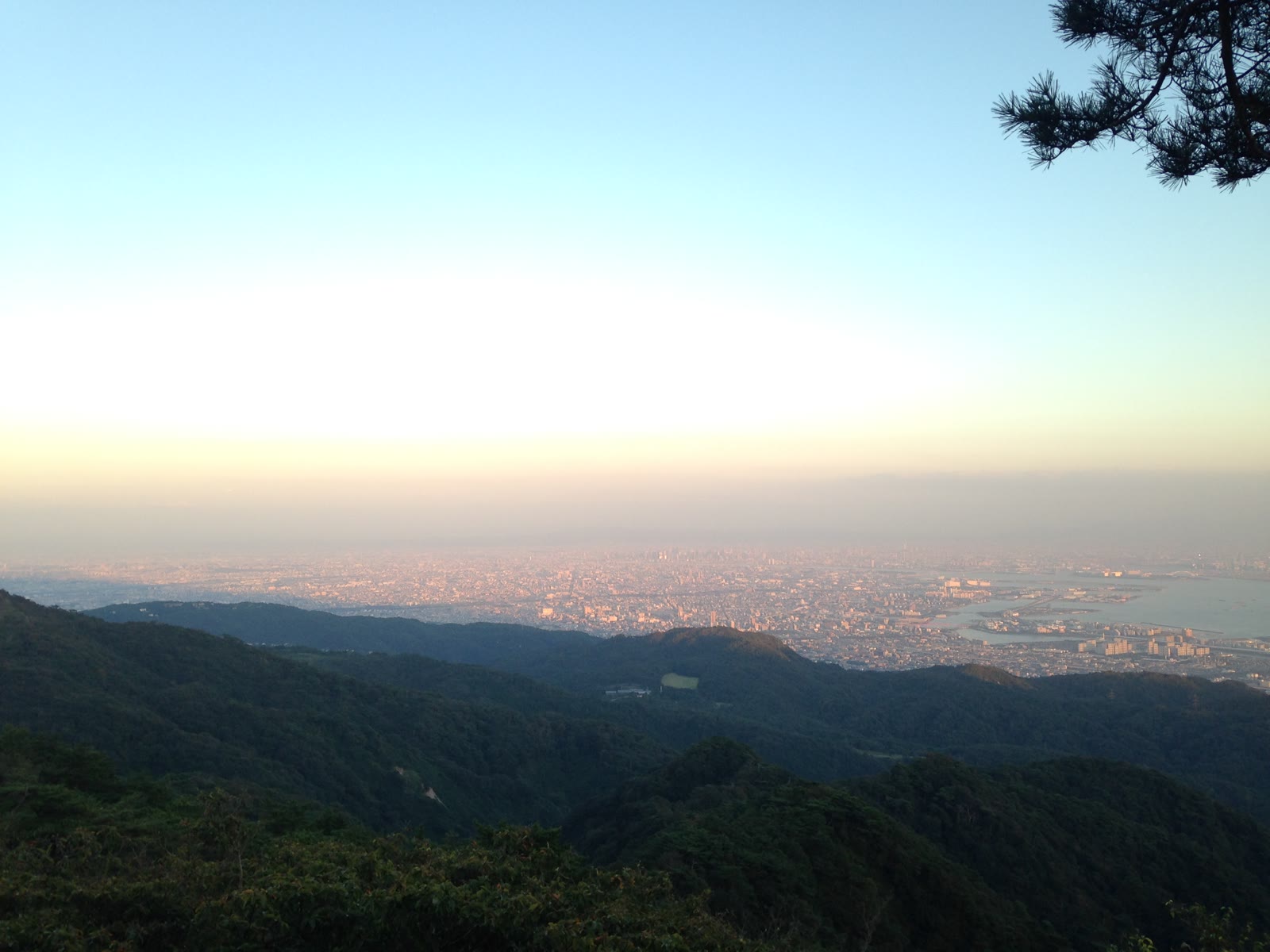
Mount Rokko
Kobe's celebrated 'ten-million-dollar' night panorama, spreading city lights and the harbour across the entire Hanshin corridor.
-
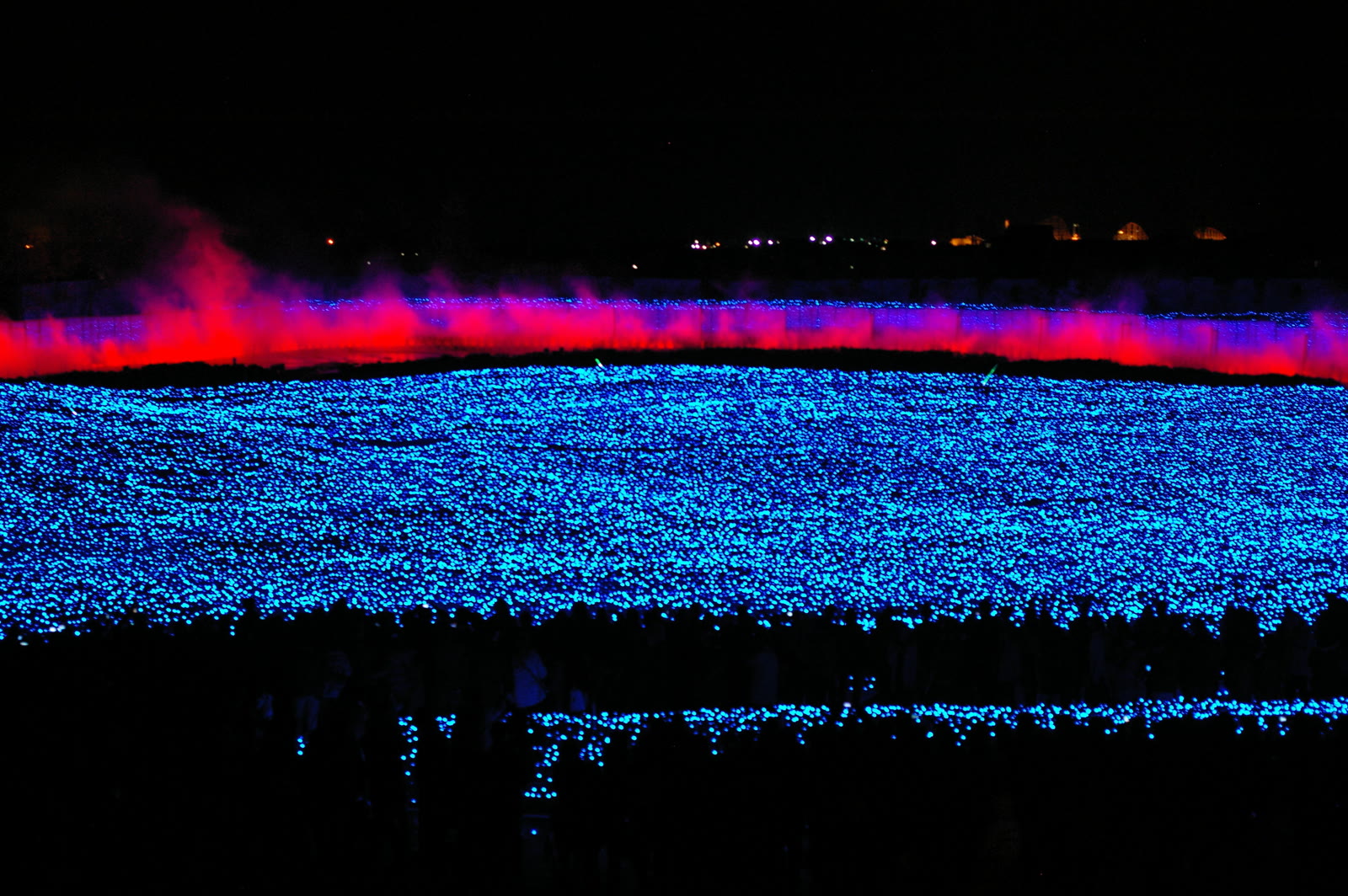
Nabana no Sato — Japan's largest illumination and a flower park
Japan's largest-scale winter illumination, set in a flower park that changes with every season.
-
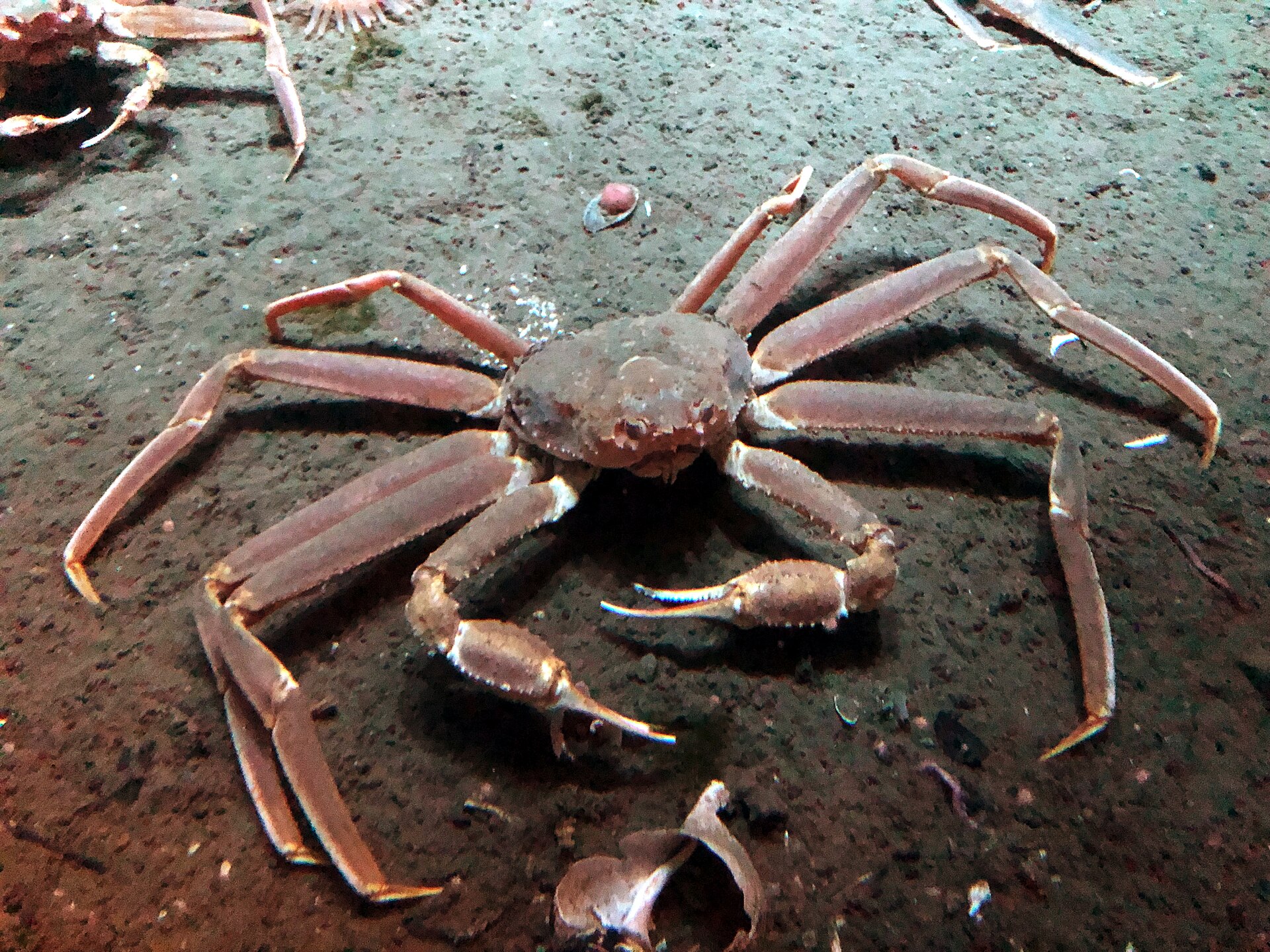
Matsuba Snow Crab — Tottori's winter crab, bought at the port
The port's public counter, with a place to sit down and eat what you bought.
-
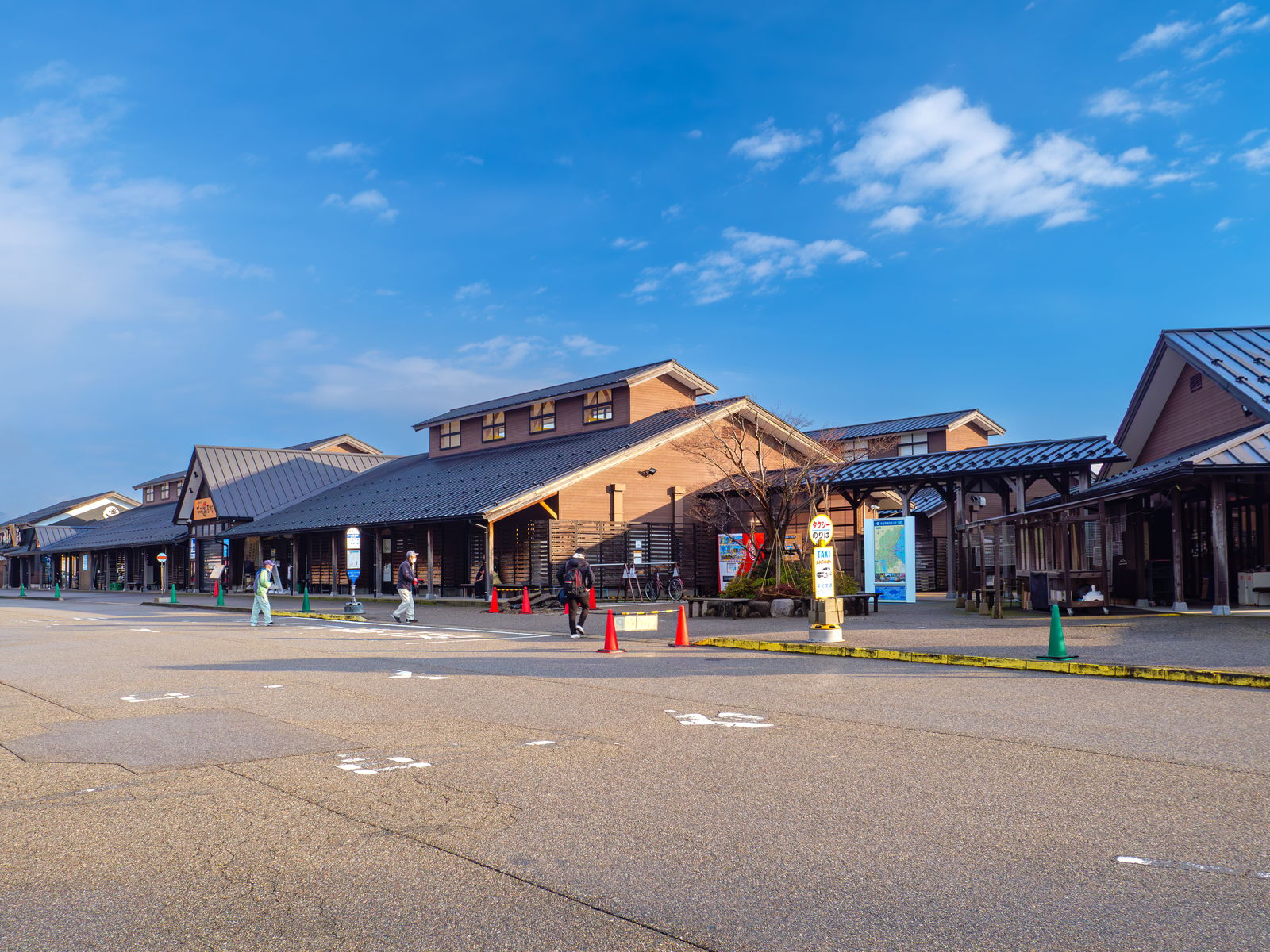
Himi Winter Yellowtail — Toyama Bay's cold-season fish at the port market
The port's public side, with the fish hall in the morning and a free foot bath at the end.
-
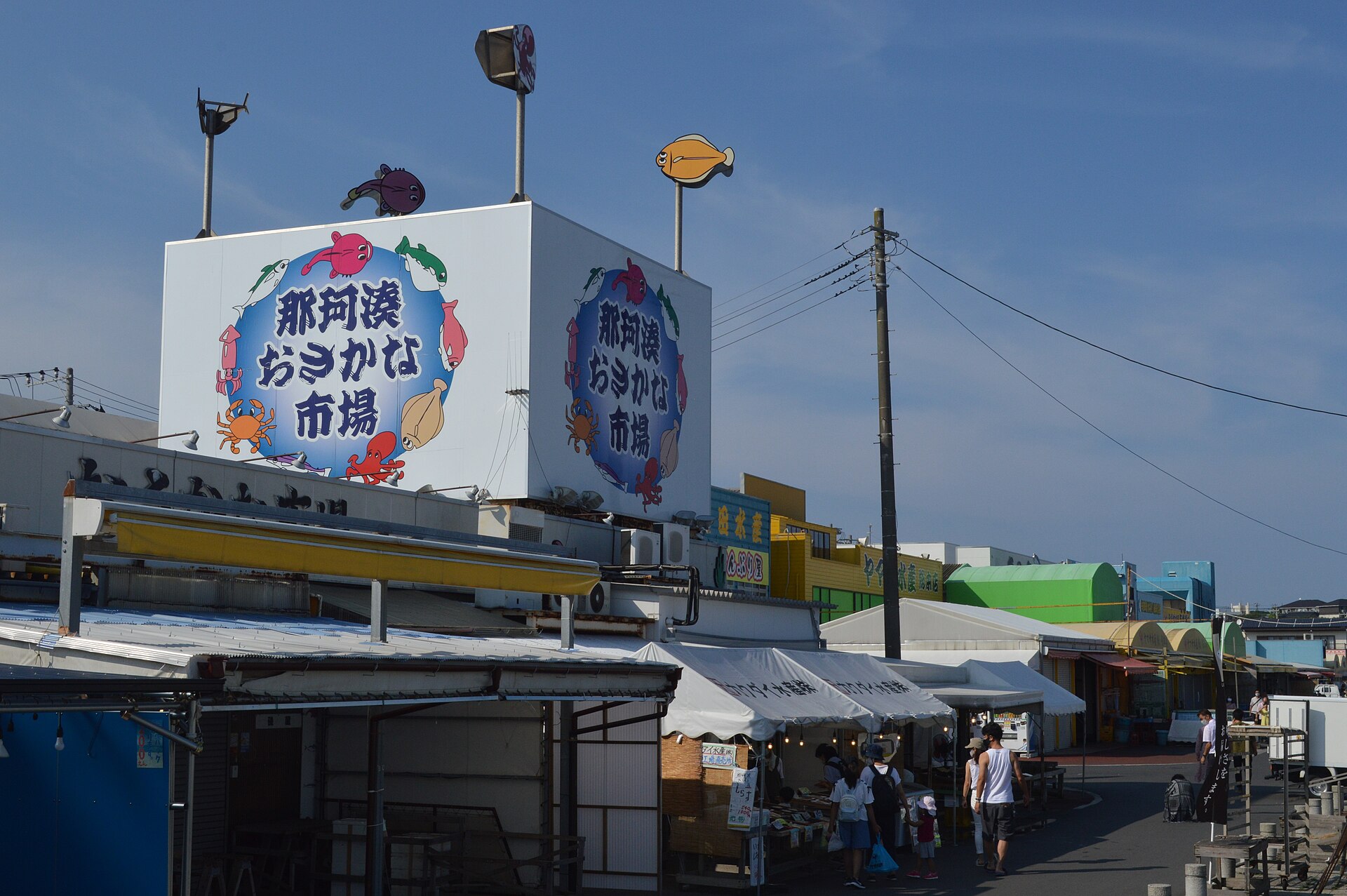
Ankou Nabe — Ibaraki's winter monkfish hot pot
Ibaraki's winter pot, met first as a whole fish on the market ice.
-
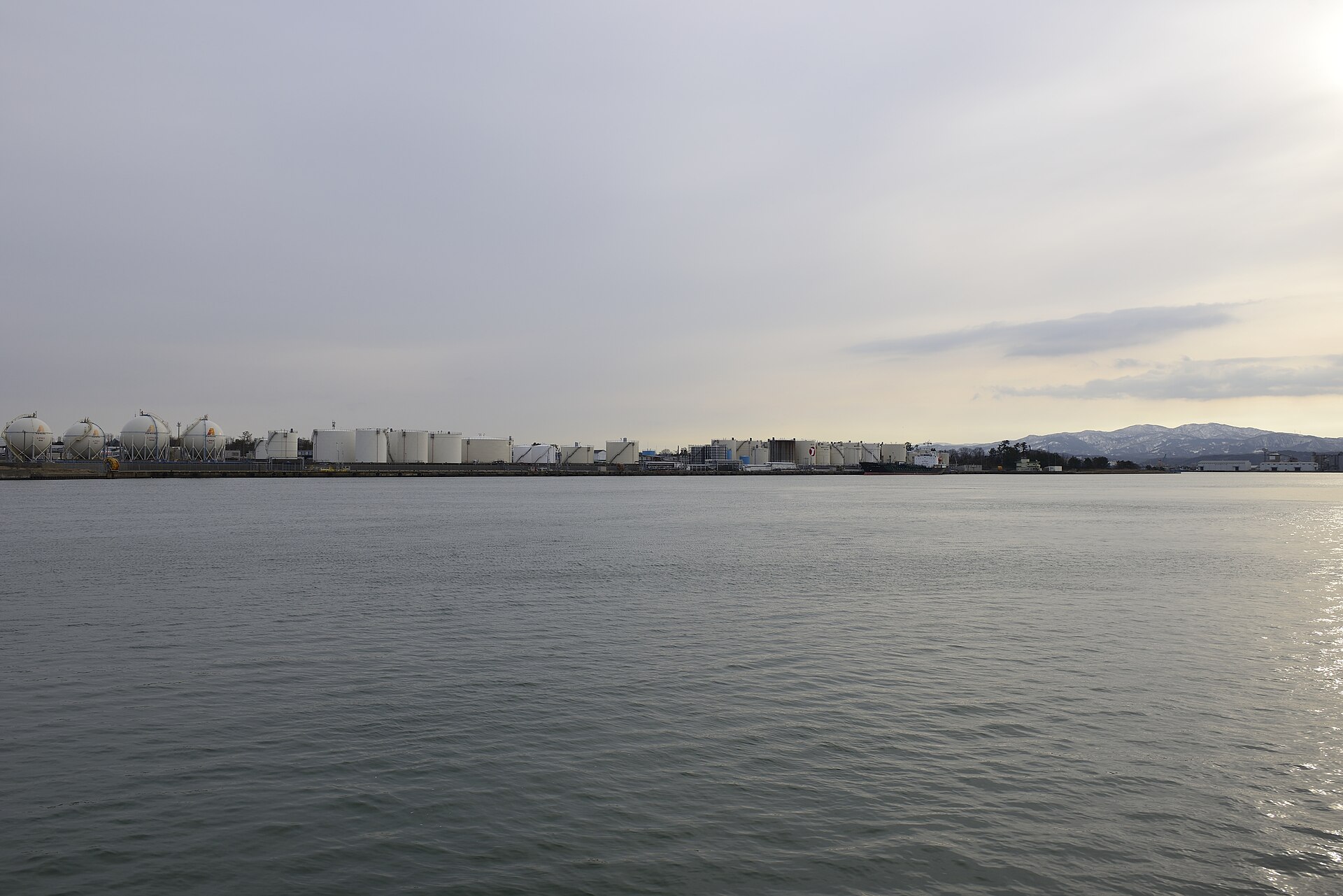
Kano Snow Crab and Kobako Crab — Ishikawa's tagged winter snow crab
Winter snow crab bought at the port that landed it, blue tag and all.
-
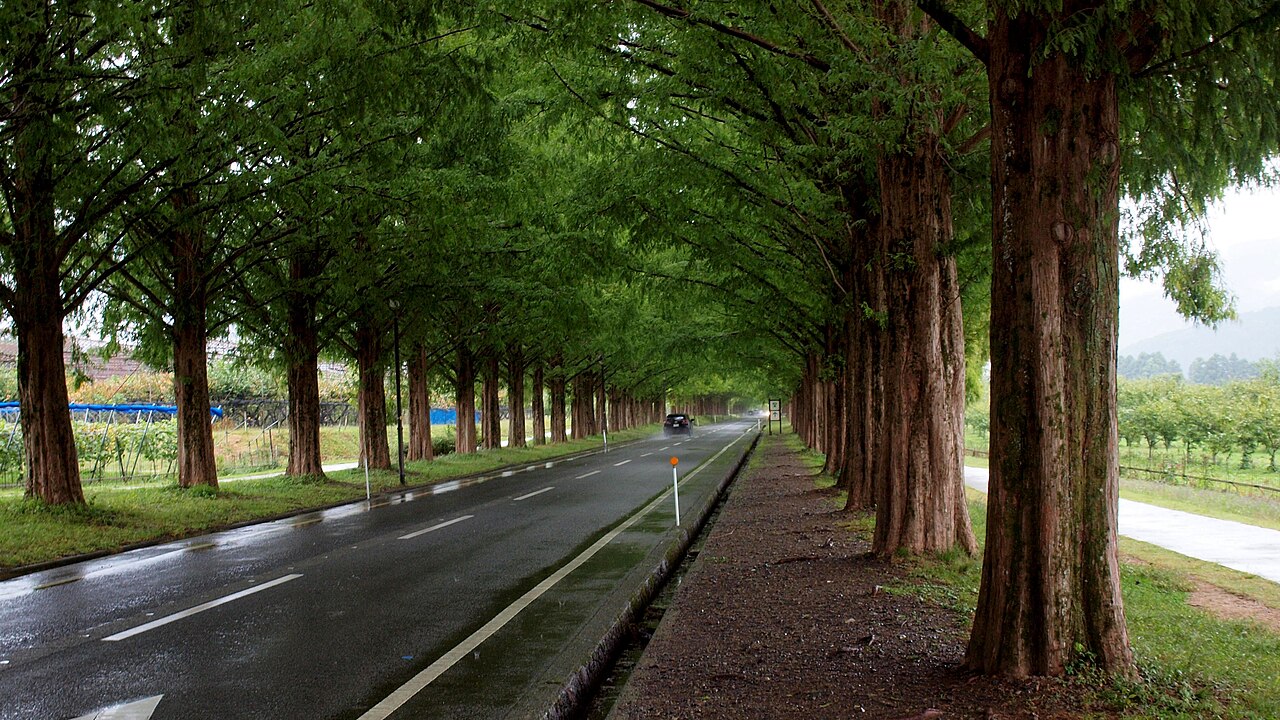
The Makino metasequoia avenue
2.4 kilometres of dawn redwoods on the northwest shore of Lake Biwa — a completely different landscape in each season.
-
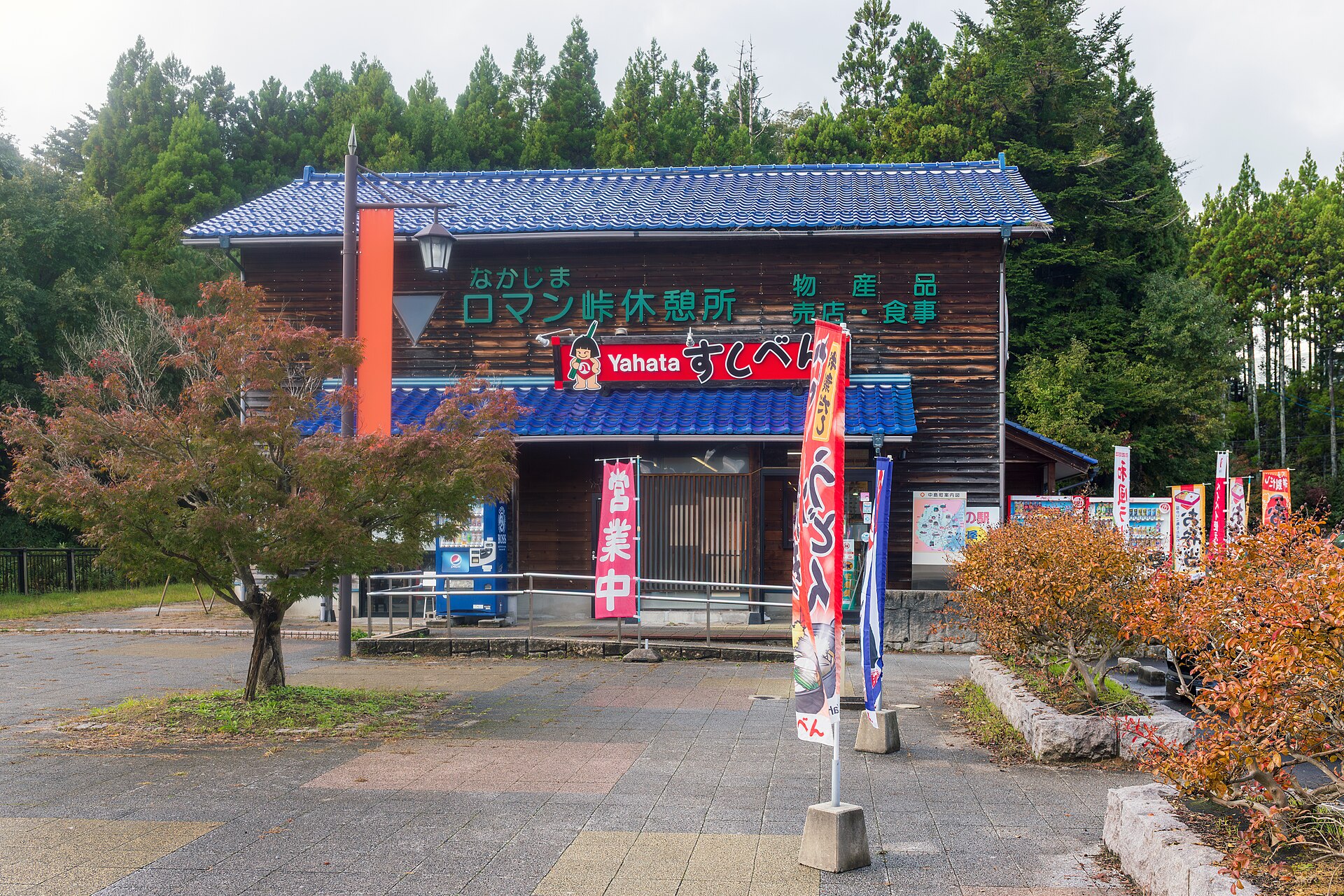
Noto Oysters — Nanao Bay's winter oyster coast
Winter oysters bought on the road that grows them, with a roadside station as the front door.
-
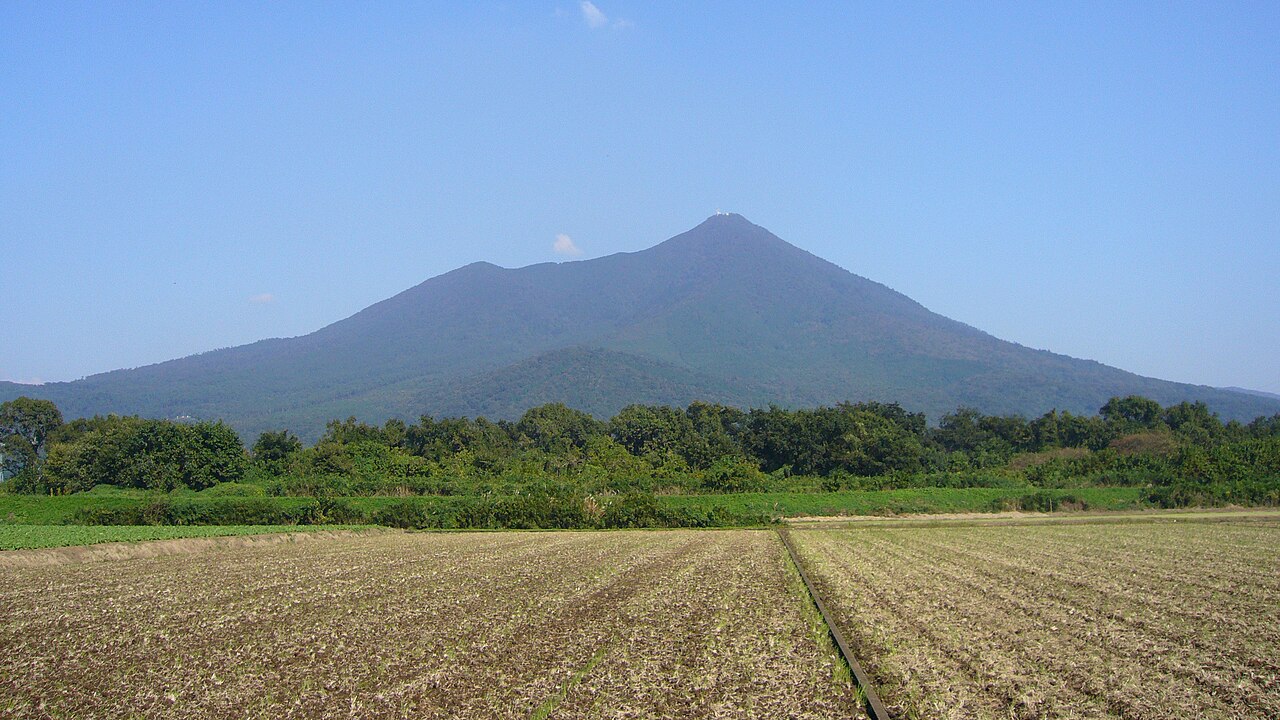
Mount Tsukuba
Cable car up, ridge on foot, ropeway down — and in winter, Fuji on the far edge of the plain.
-
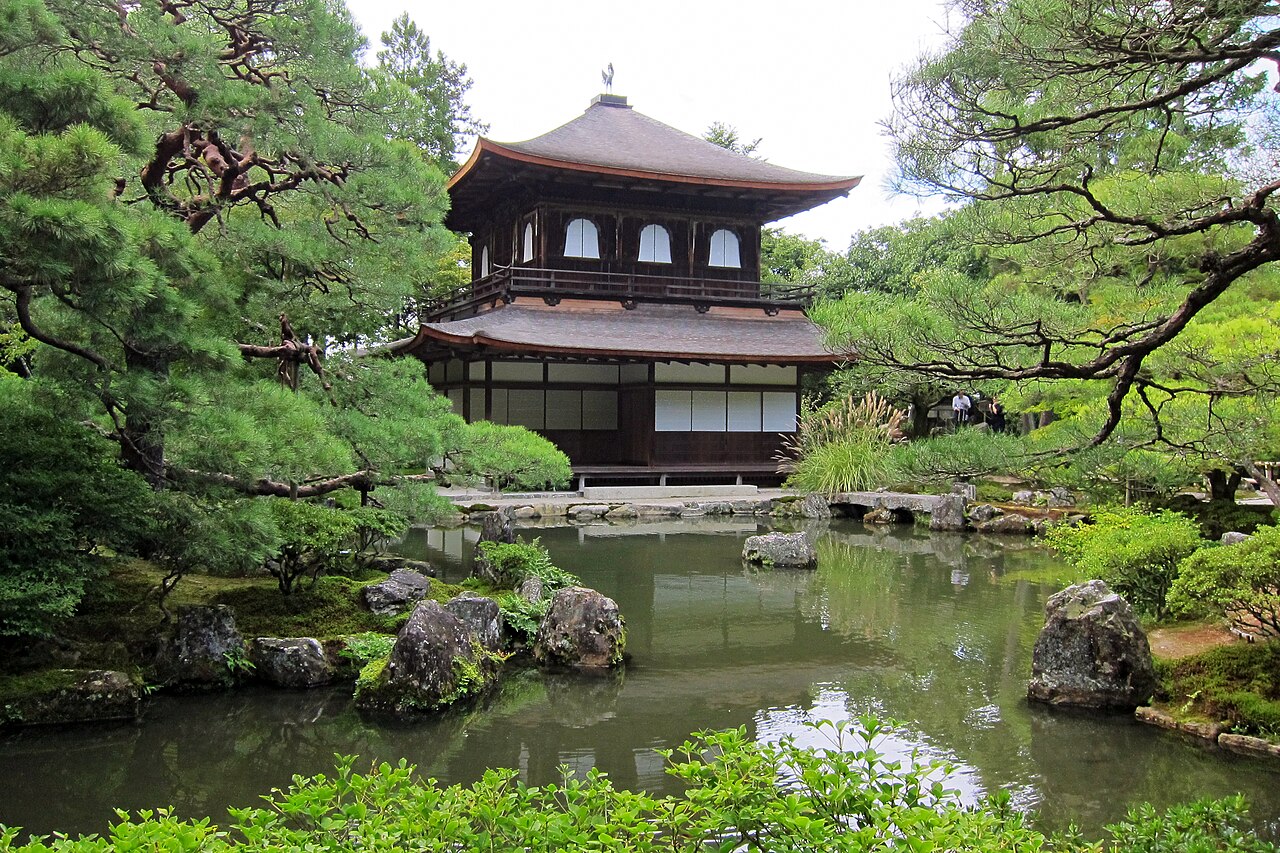
Ginkaku-ji — the Silver Pavilion and the Philosopher's Path
A UNESCO World Heritage temple plus a two-kilometre cherry-lined canal walk, calmest right at opening.
-
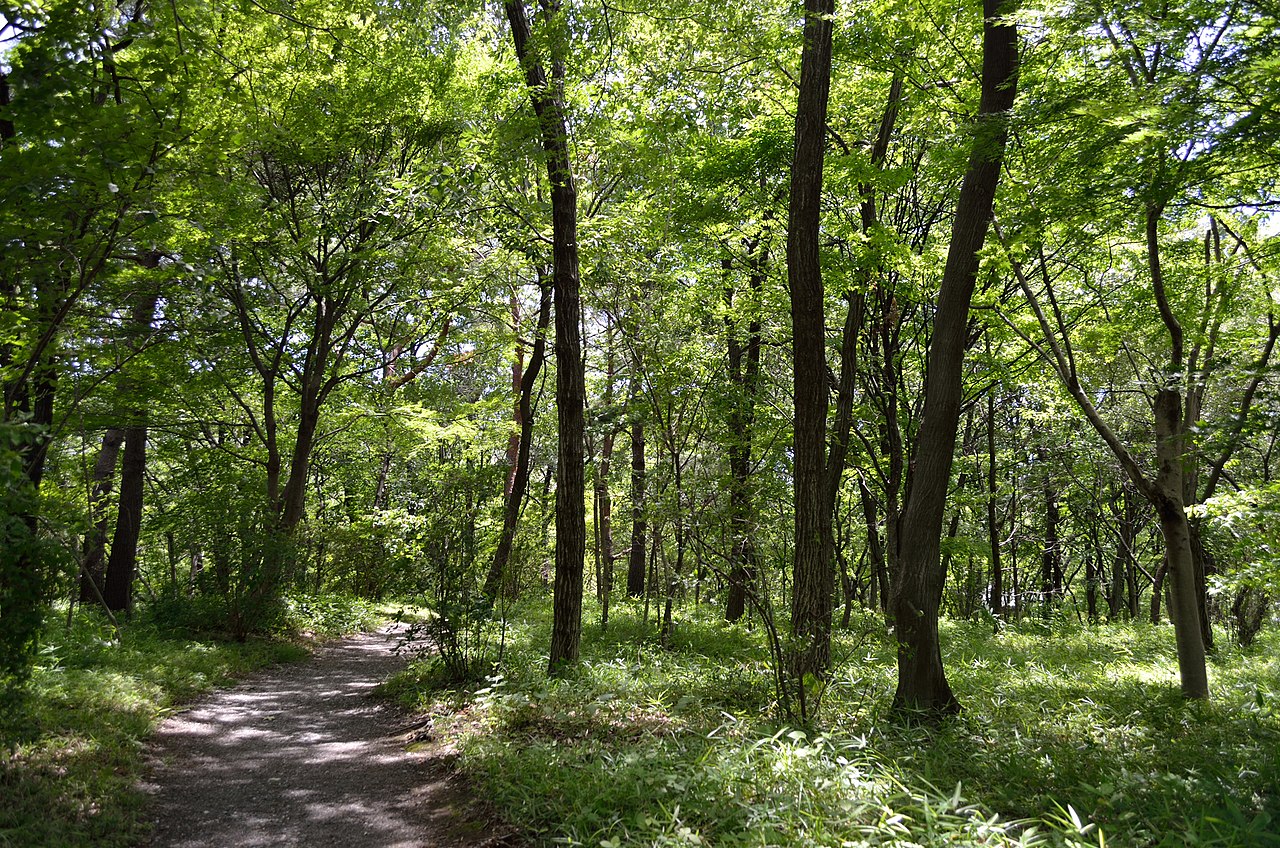
Imperial Palace East Gardens
Free, huge, and central — the real Edo Castle grounds, minus the crowds at the outer plaza.
-
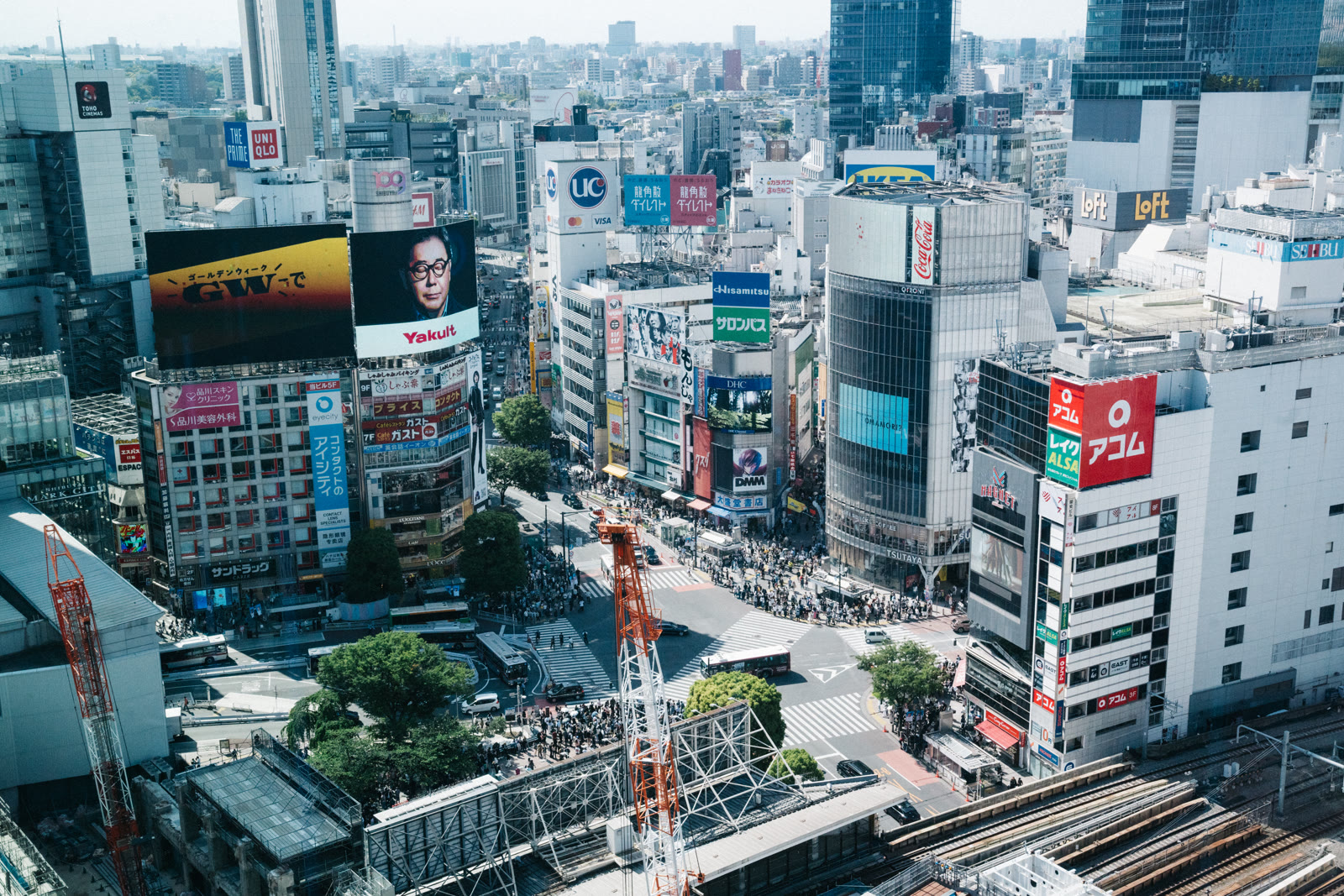
SHIBUYA SKY — an open rooftop 229 metres up
The city's best straight-down view of the Scramble Crossing — book a timed ticket online before you go.
-
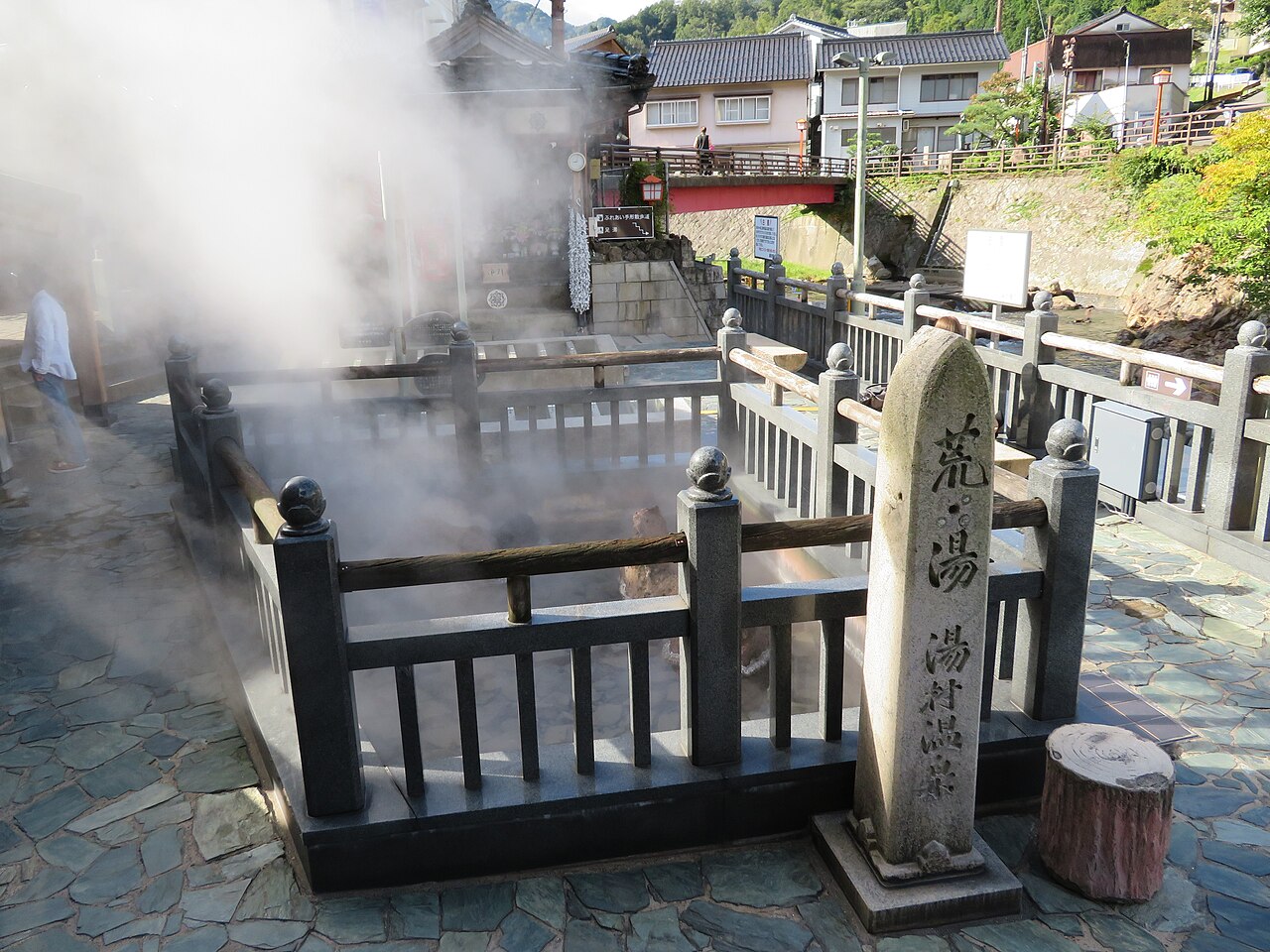
Yumura Onsen
A boiling source pool in the middle of the street, and a free foot bath along the river. Four hours from Osaka; the express bus back is often easier than the train.
-
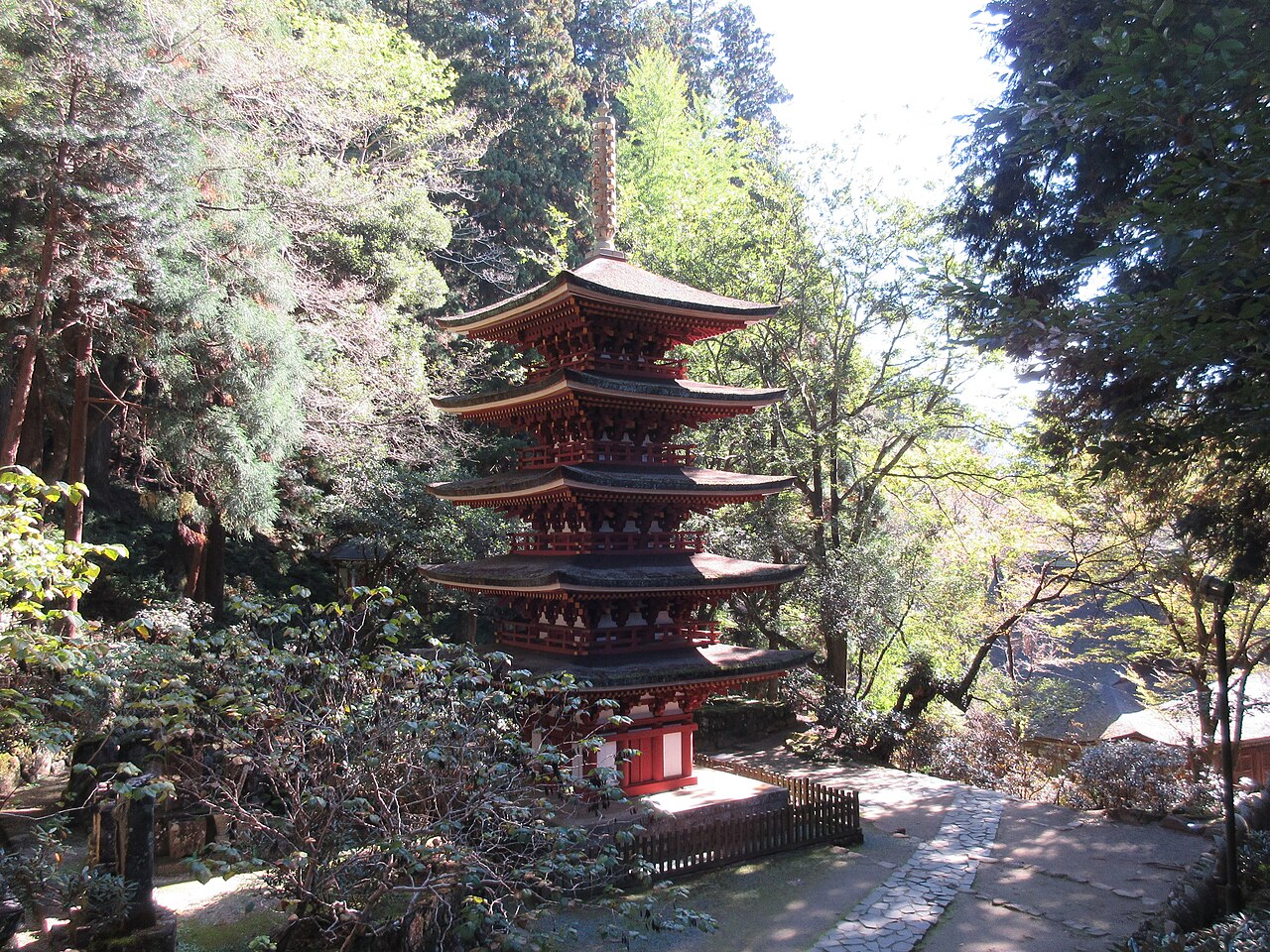
Murō-ji — the mountain temple that welcomed women
The mountain temple that admitted women when Mount Kōya would not — a cedar staircase, five National Treasures, and the smallest ancient pagoda in Japan.
-
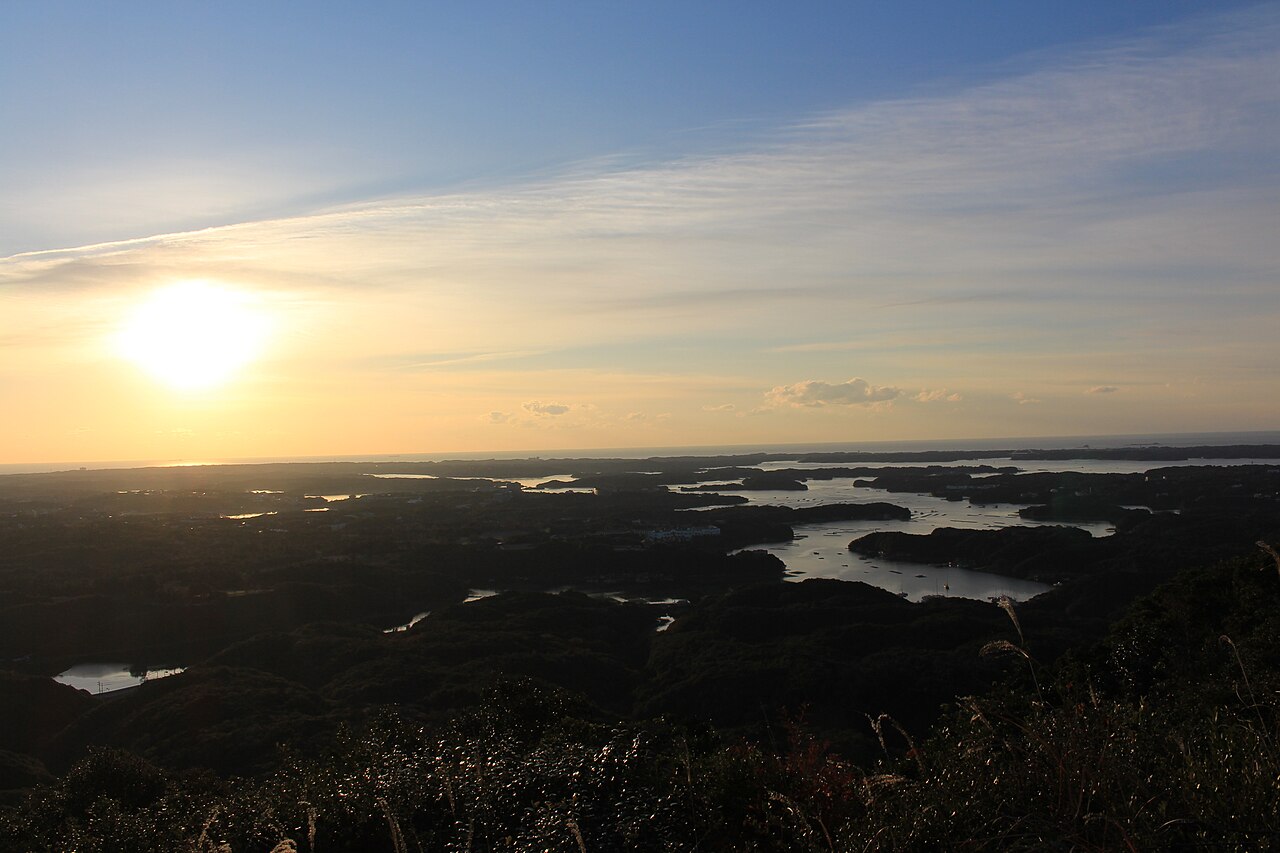
Yokoyama Observatory
The defining view of Ise-Shima — Ago Bay's islands and pearl rafts from 140 metres up, free of charge.
-
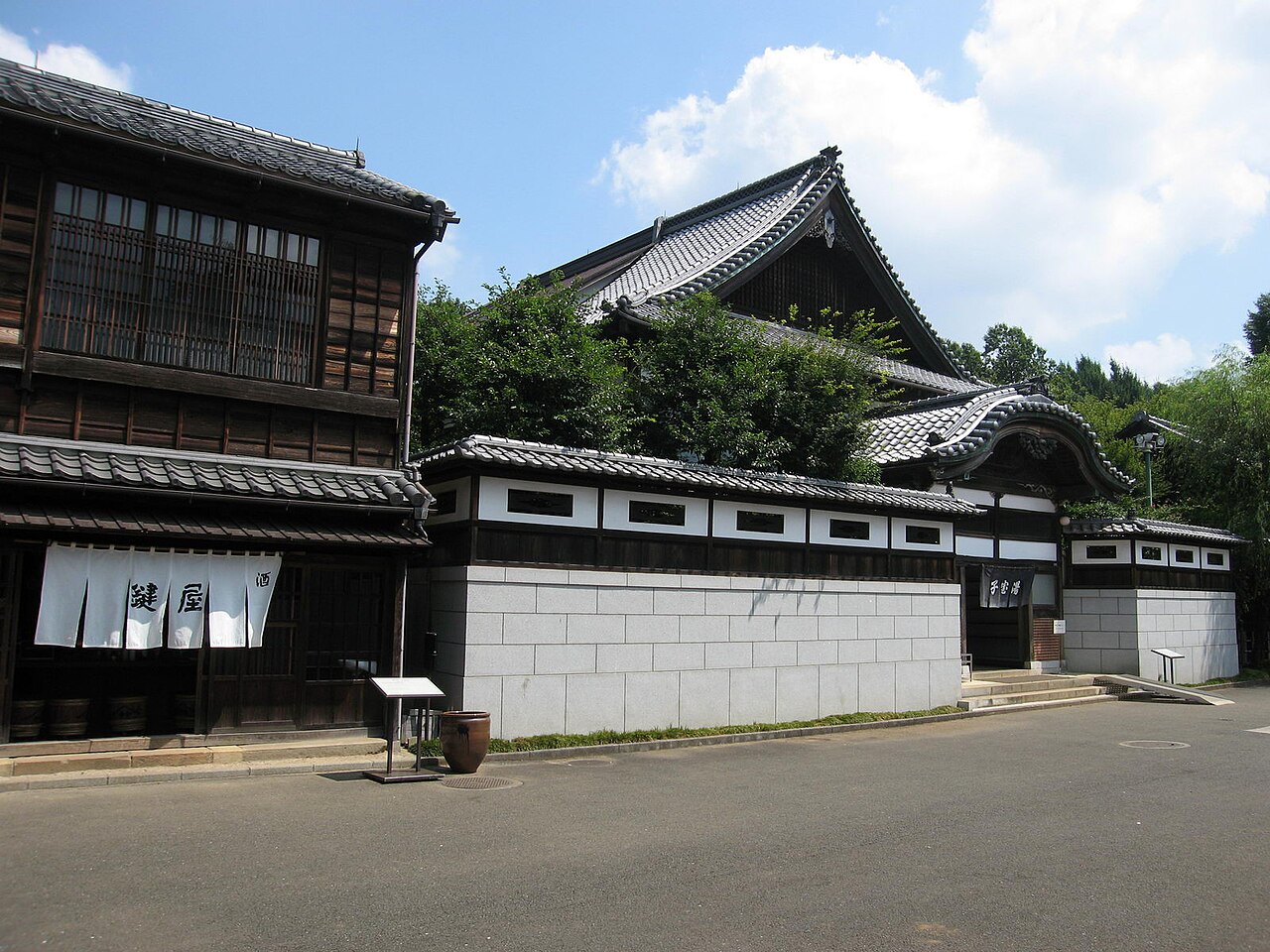
Edo-Tokyo Open Air Architectural Museum
Thirty real buildings from four centuries of Tokyo, moved to a park and opened up so you can walk inside them.
-
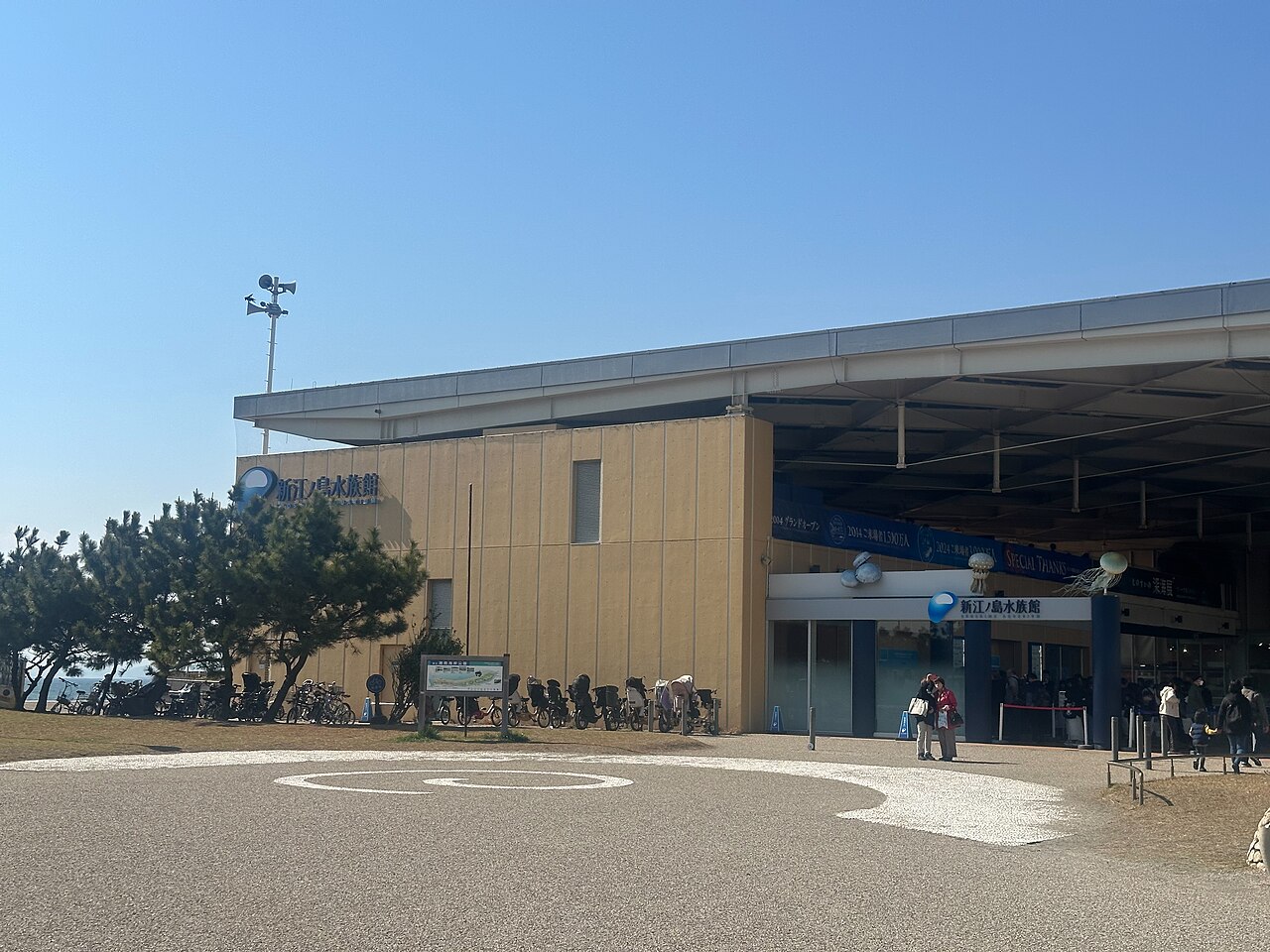
Enoshima Aquarium
A beachfront aquarium about the bay it faces — sardine shoals, a domed jellyfish hall, and dolphins with the real sea behind them.
-
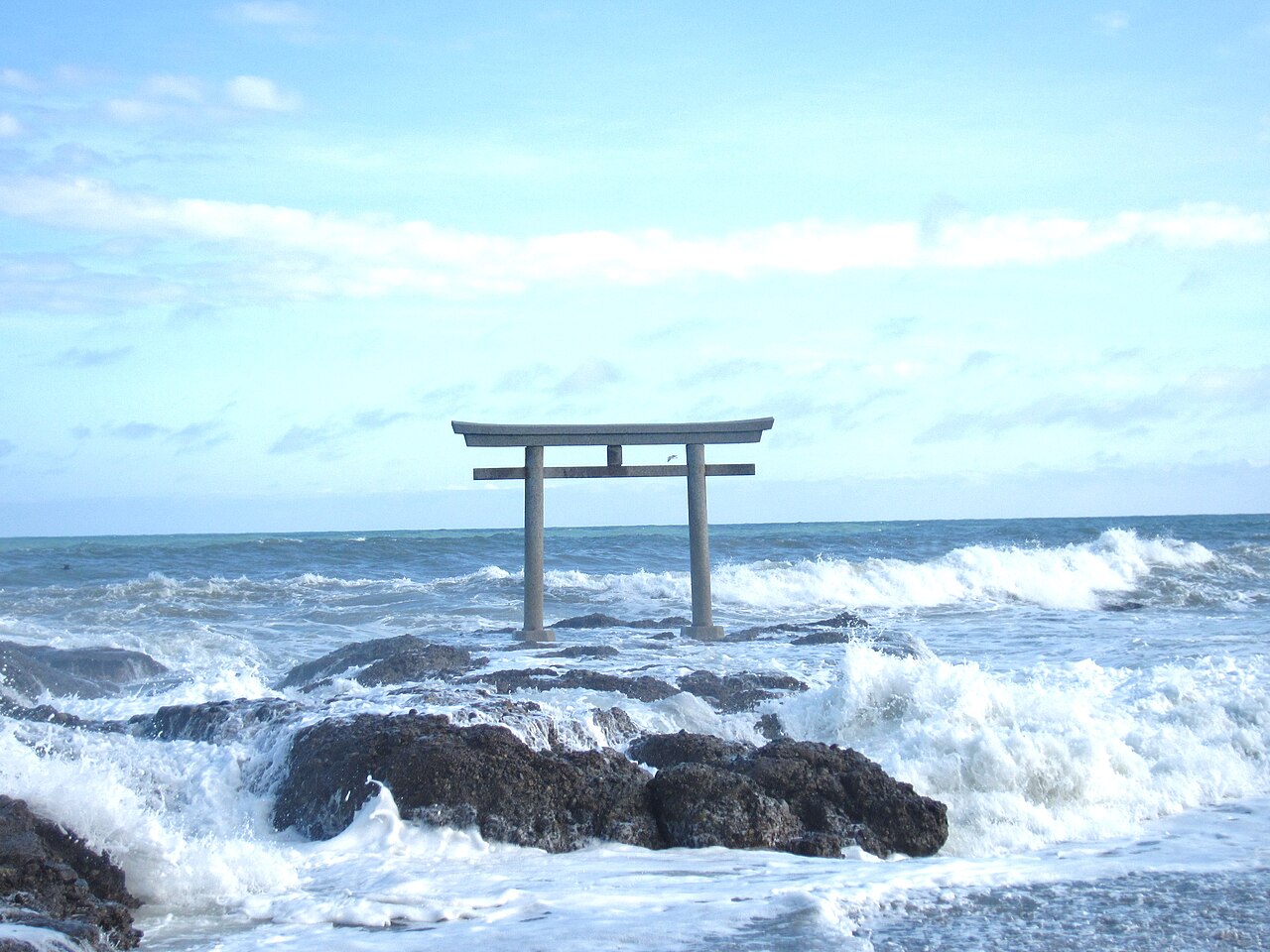
Kamiiso-no-Torii — a gate standing where the waves break
Stay in Oarai or Mito the night before: the gate on the reef only does its trick at sunrise.
-
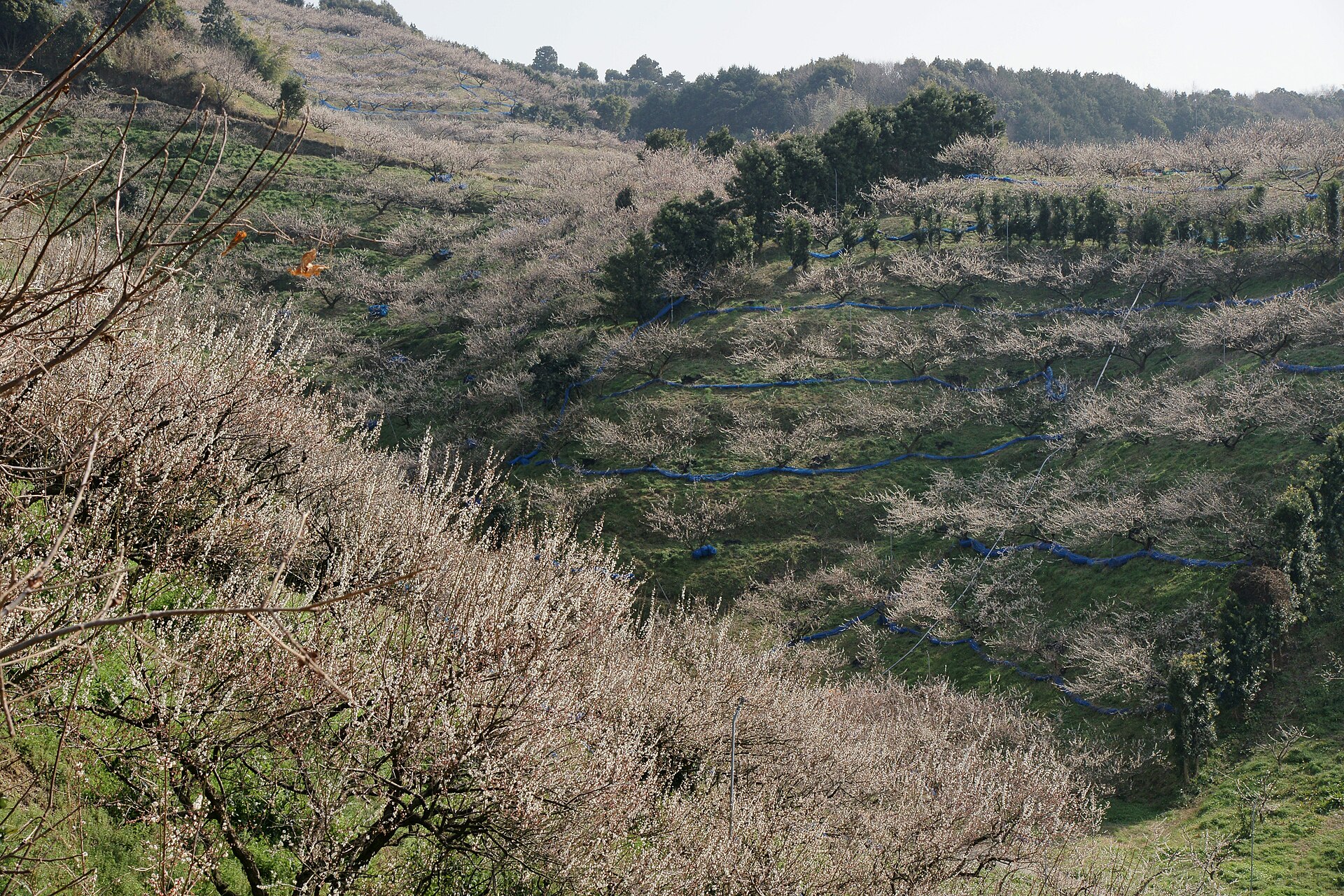
Kishu Nanko Plums
The plum behind Japanese umeboshi, explained free in the town that bred it.
-
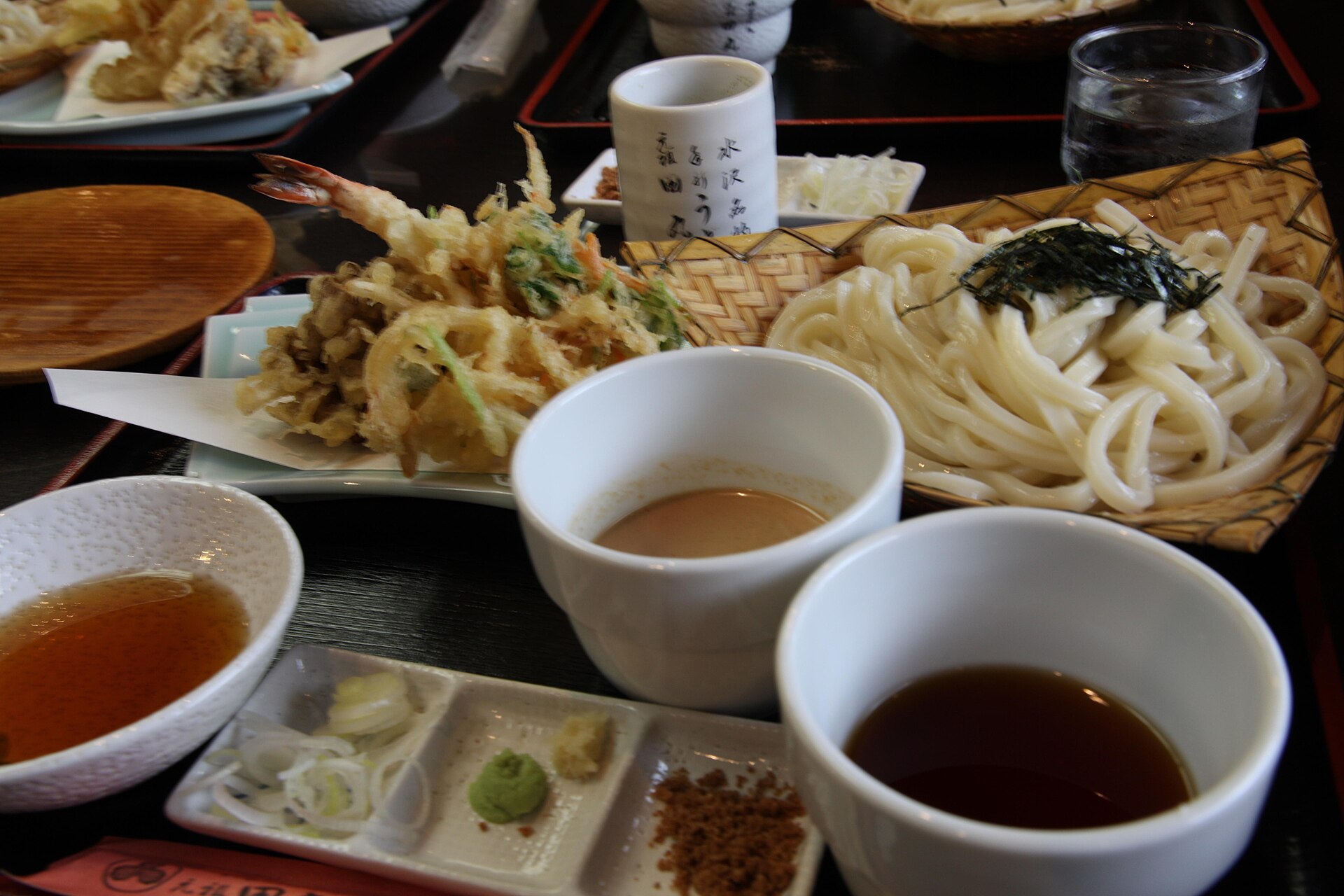
Mizusawa Udon — A noodle street at the Mizusawa Kannon gate
Udon houses in a line at a temple gate, with the grounds to walk first.
-
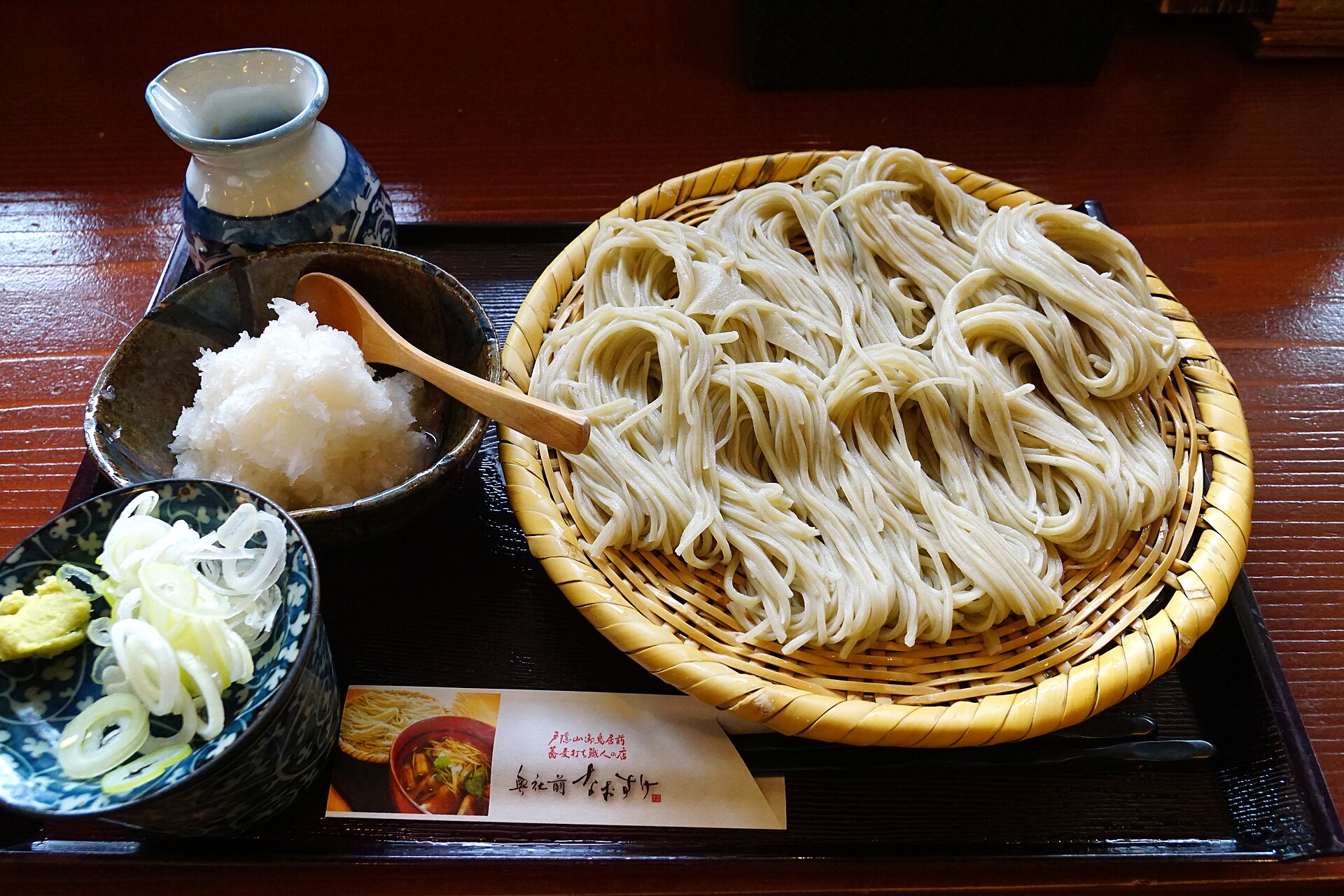
Togakushi Soba — Buckwheat from a mountain pilgrimage road
Roll it, read about it, then eat it — the one place on the mountain that does all three.
-
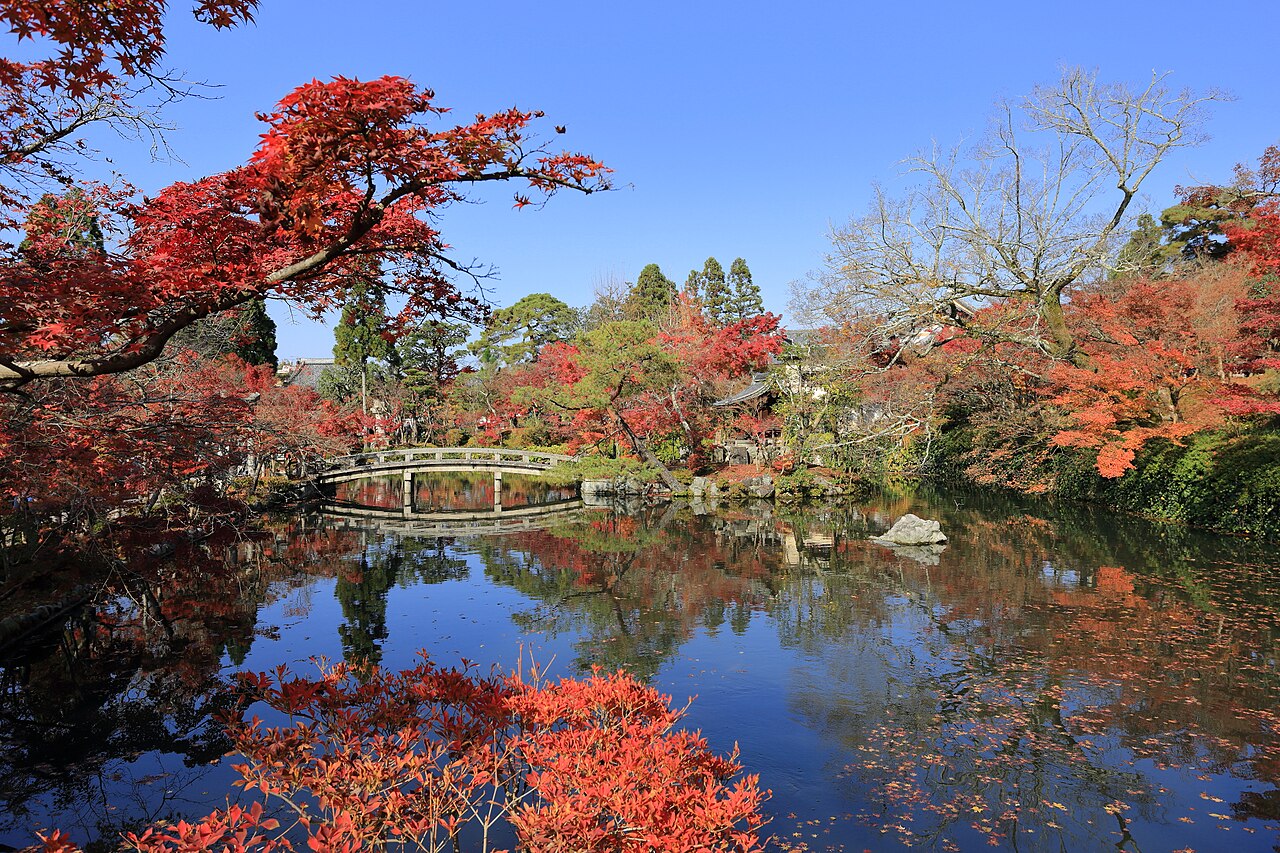
Eikando Zenrin-ji — the temple of the Amida who looks back
Kyoto's great maple temple, whose main image is a Buddha carved in the act of looking back over its shoulder.
-
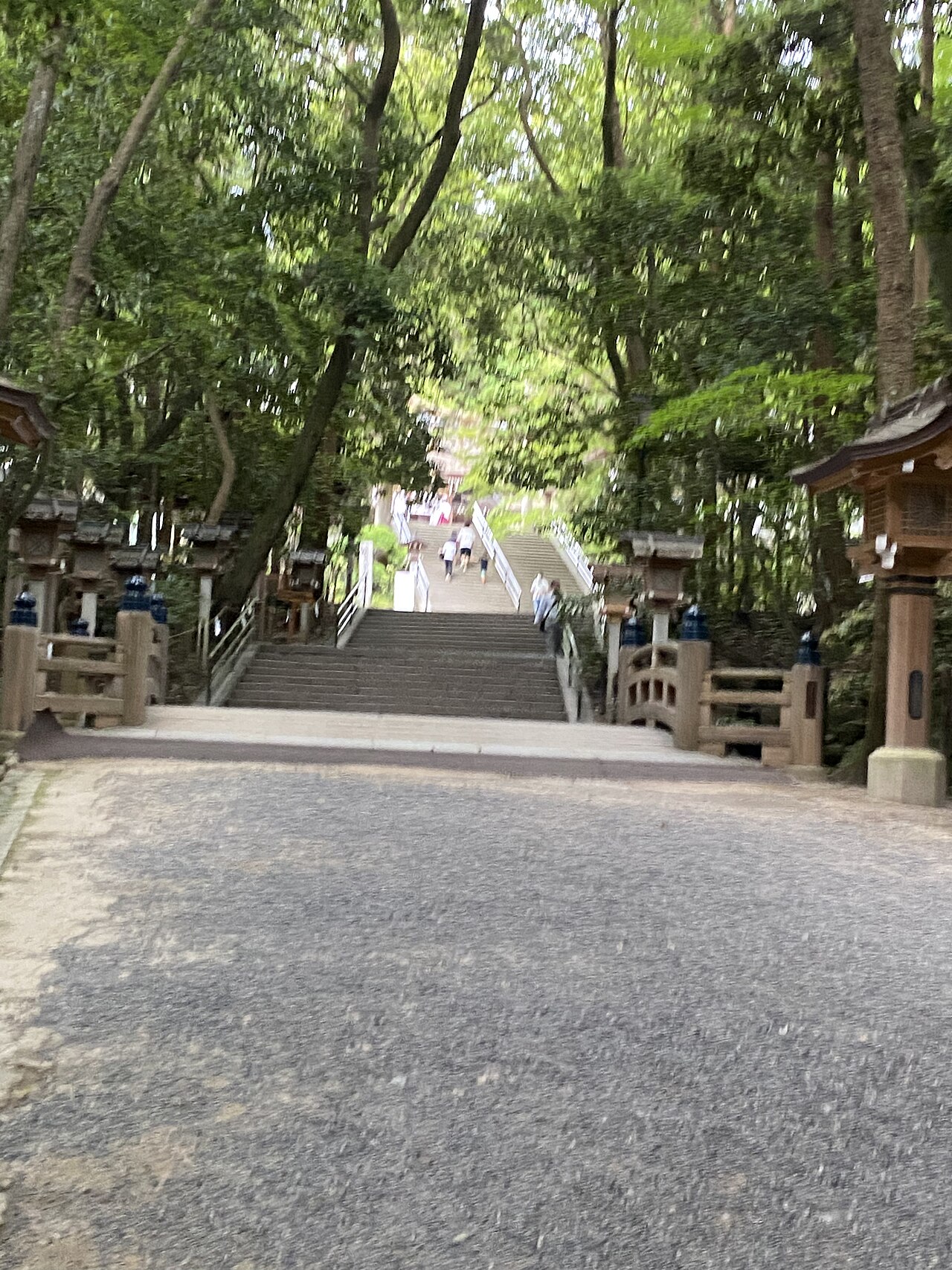
Miwa — the Omiwa Shrine gate and somen's birthplace
One of Japan's oldest shrines and the 1,300-year birthplace of hand-stretched somen.
-
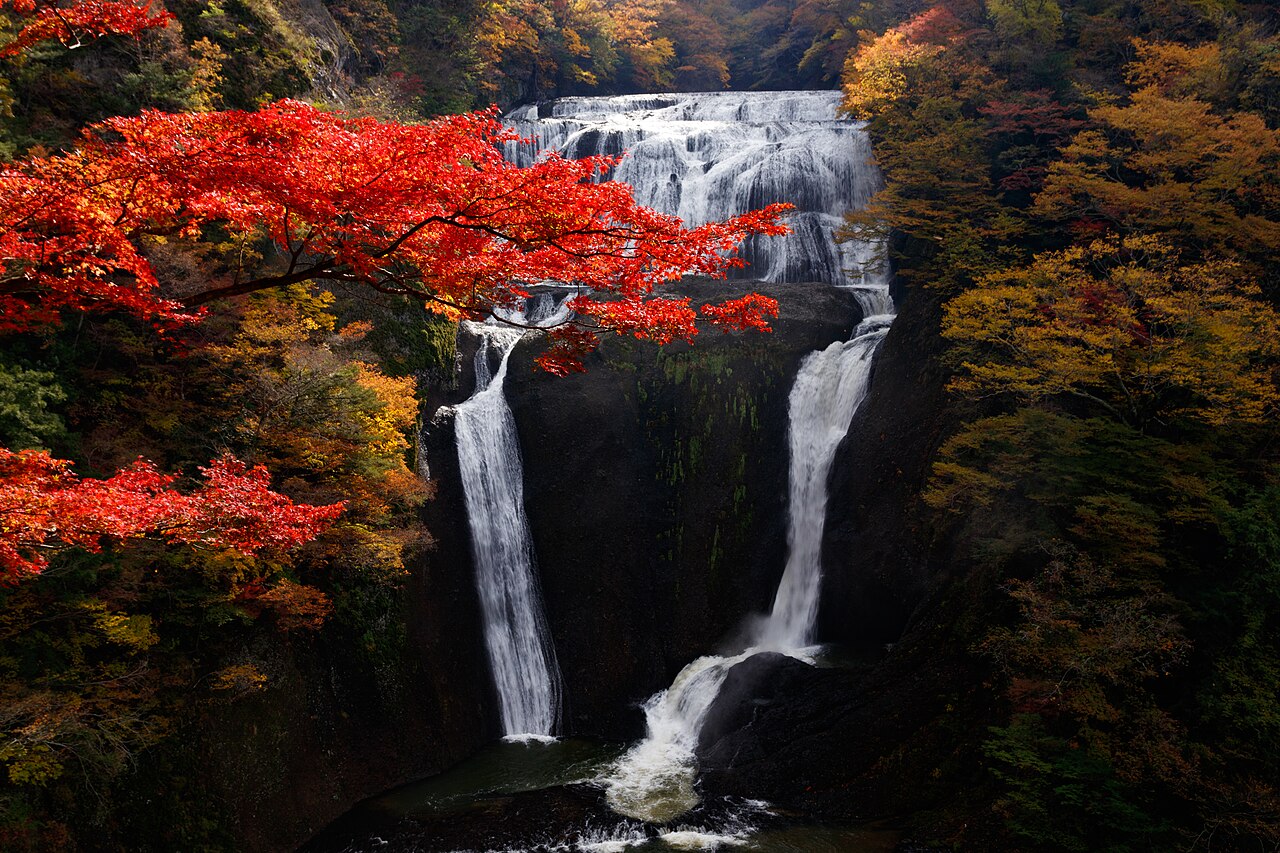
Fukuroda Falls
One of Japan's three great waterfalls: 120 m falling in four tiers, viewed from inside the cliff — and a wall of ice in January.
-
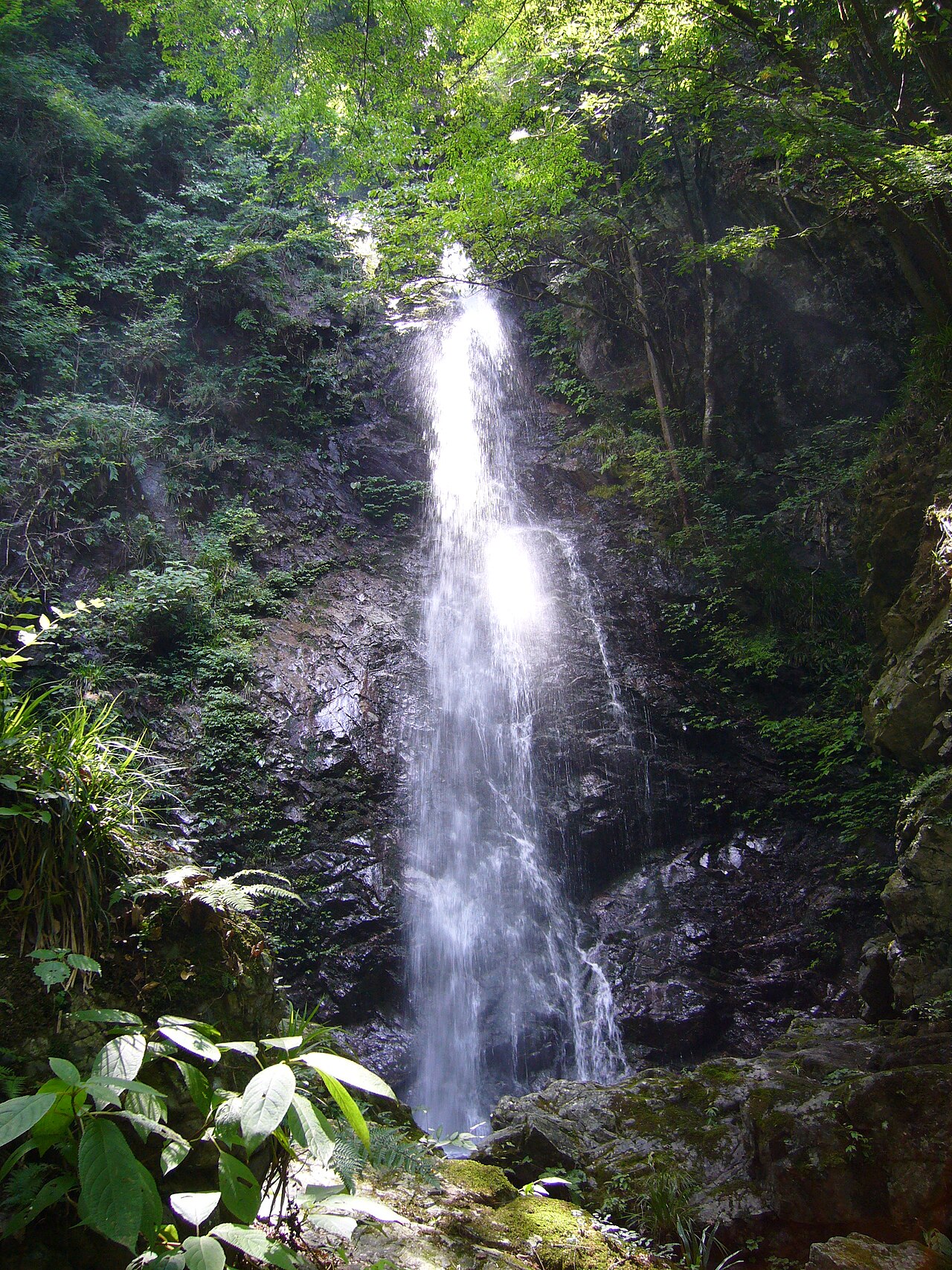
Hossawa Falls
Tokyo's only Top-100 waterfall, four calm tiers reached on foot past a village tofu shop.
-
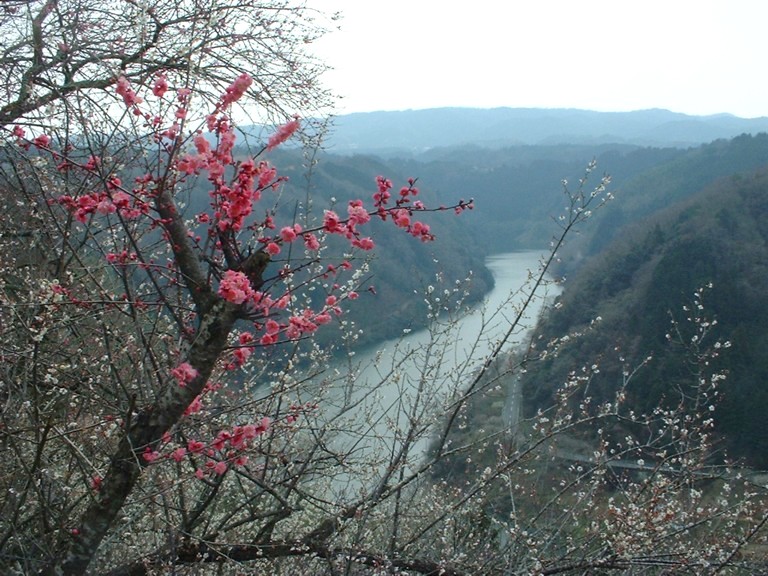
Tsukigase Plum Grove
10,000 plum trees in a river gorge — an old dye-crop grove, quiet off-bloom.
-
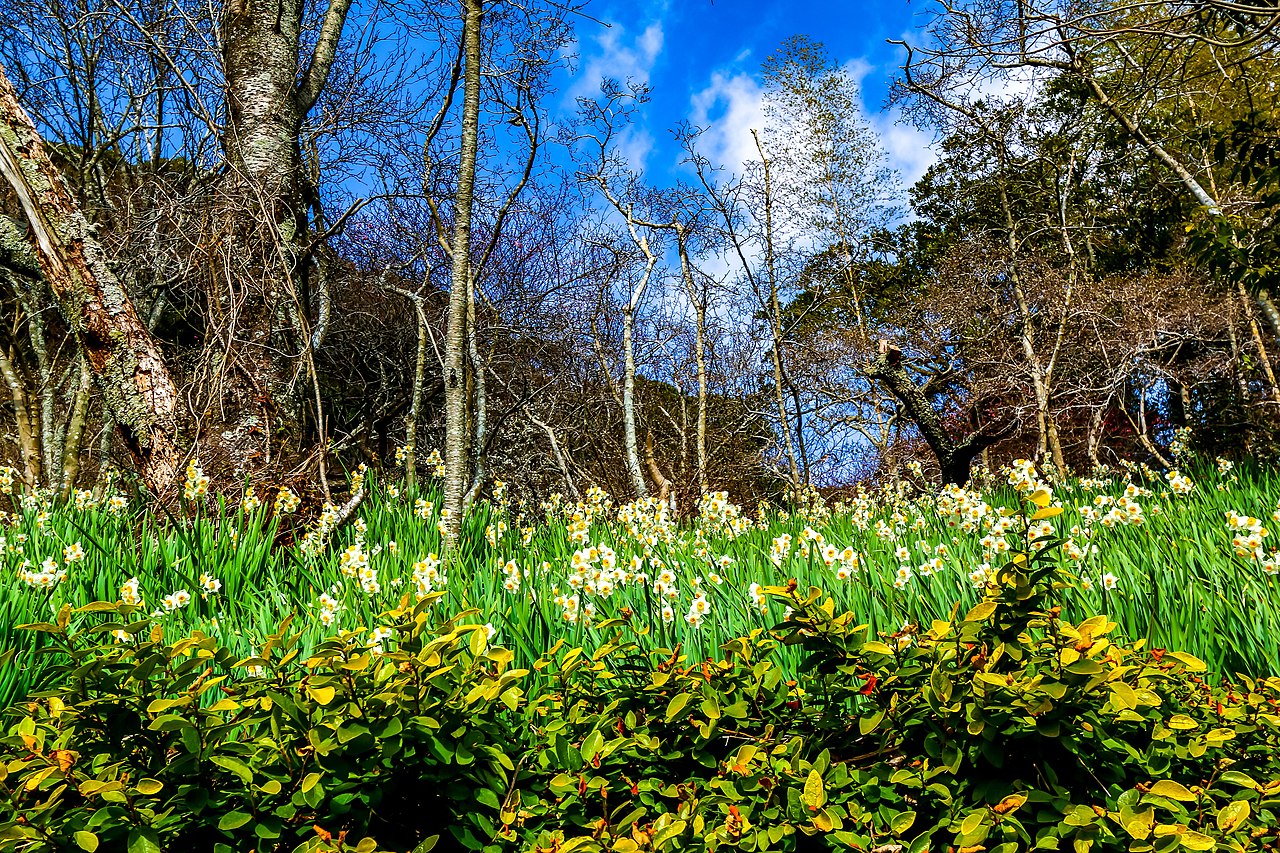
Ezuki Narcissus Road
A 3 km winter lane of wild narcissus you smell before you see, walkable from a small station.